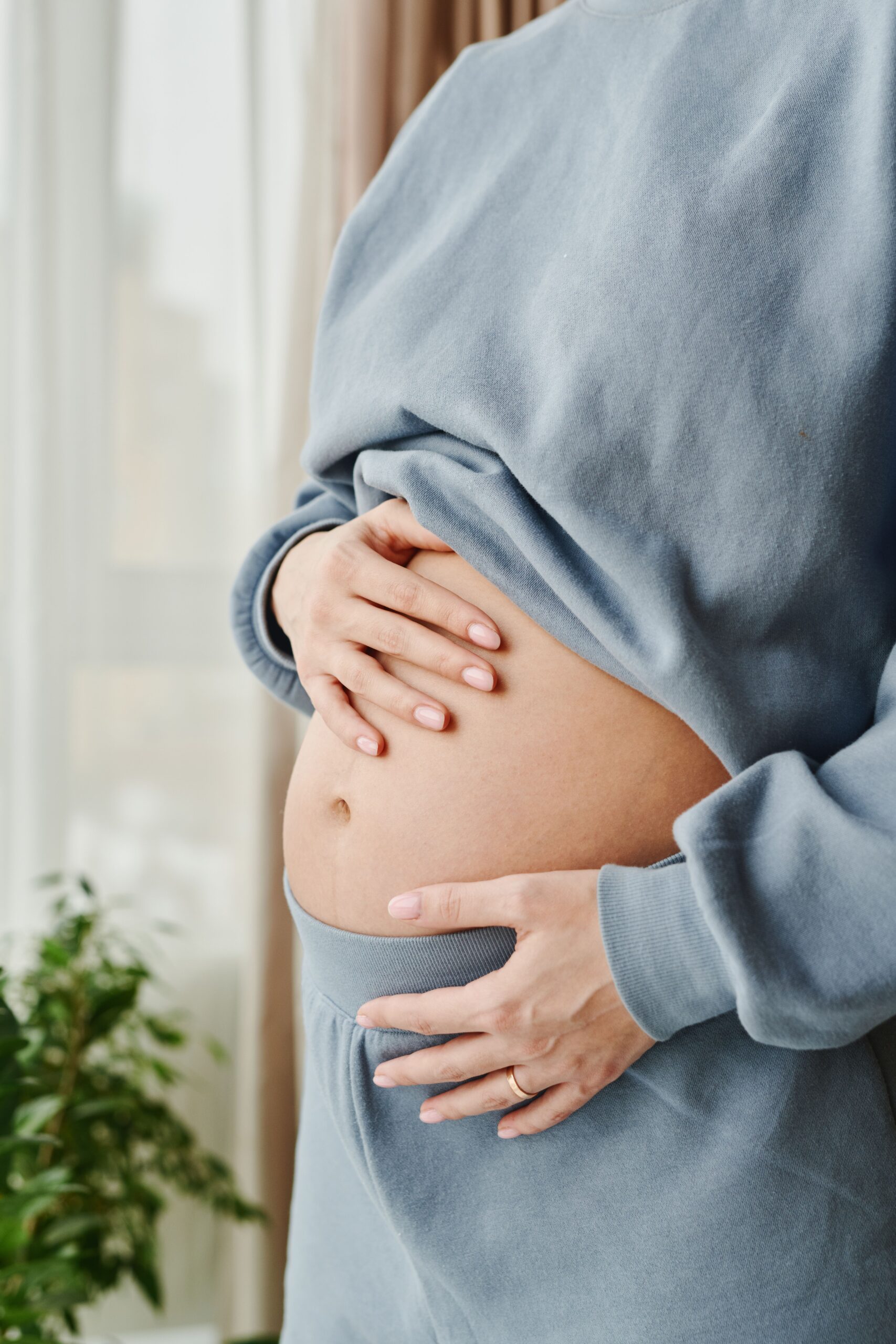
Pregnancy is an important period when many changes take place in a woman’s body, and most of these changes are a normal part of carrying a baby.
However, some symptoms can indicate that something needs medical attention.
Knowing the warning signs during pregnancy can help expectant mothers recognize unusual changes early and seek appropriate care when necessary.
While occasional discomfort, tiredness, nausea, and mild aches can occur during pregnancy, symptoms that are sudden, severe, persistent, or different from what is normally experienced should not be ignored.
Every pregnancy is different, and a symptom that seems minor to one person may require evaluation in another situation.
Pregnant women should pay attention to changes in their health and attend regular prenatal appointments so that healthcare professionals can monitor both maternal and fetal well-being.
Understanding possible warning signs does not mean that every unusual symptom indicates a serious problem, but being aware of them can make it easier to know when professional advice is needed.
Severe or Persistent Abdominal Pain
Abdominal discomfort can happen during pregnancy as the uterus grows and the body adjusts to physical changes.
Mild stretching sensations or occasional discomfort may be normal, especially as pregnancy progresses.
However, severe abdominal pain, pain that continues for a long time, or pain that becomes increasingly intense should be assessed by a healthcare professional.
The location and character of the pain can vary, so it is important not to assume that significant abdominal pain is simply a normal pregnancy symptom.
Pain accompanied by other symptoms can be particularly important.
For example, abdominal pain together with bleeding, fever, dizziness, fainting, vomiting, or unusual weakness may require prompt medical evaluation.
Pregnant women should avoid trying to determine the cause of severe pain on their own because different conditions can produce similar symptoms.
A healthcare professional can assess the symptoms and determine whether further examination or treatment is necessary.
Vaginal Bleeding
Light spotting can occur during pregnancy for several reasons, particularly during the early stages, and it does not always mean that a serious problem is present.
Nevertheless, vaginal bleeding during pregnancy should be discussed with a healthcare professional because the possible causes can differ depending on the stage of pregnancy and the amount of bleeding.
Heavy bleeding, bleeding accompanied by significant abdominal pain, dizziness, weakness, or other concerning symptoms deserves urgent medical attention.
Later in pregnancy, bleeding can have different causes and should not be dismissed.
A pregnant woman who notices new or unexplained bleeding should contact her healthcare provider for guidance.
Keeping track of when the bleeding started, how much occurred, and whether other symptoms appeared can help the healthcare professional understand the situation.
Severe Headache
Headaches can occur during pregnancy because of hormonal changes, stress, tiredness, dehydration, changes in sleep, or other everyday factors.
However, a severe headache that does not improve, appears suddenly, or feels significantly different from previous headaches can be a warning sign that should be checked.
This is especially important when the headache occurs alongside changes in vision, swelling, upper abdominal discomfort, or other unusual symptoms.
Pregnancy-related high blood pressure disorders can sometimes develop without obvious symptoms, which is one reason regular prenatal care is important.
Healthcare professionals can check blood pressure and other health indicators during pregnancy.
If a pregnant woman develops a severe or unusual headache, she should seek medical advice rather than assuming that it is simply a normal pregnancy symptom.
Changes in Vision
Blurred vision, flashing lights, temporary loss of vision, or other sudden changes in eyesight during pregnancy should receive medical attention, particularly when they occur together with a severe headache or other concerning symptoms.
Vision changes can have several possible causes, but some may be associated with pregnancy complications that require assessment.
A woman experiencing sudden visual changes should avoid ignoring them simply because the symptoms disappear after a short time.
Reporting the episode to a healthcare professional can help determine whether testing or monitoring is needed.
Sudden vision problems combined with severe headache, significant swelling, or feeling very unwell should be treated as a reason to seek prompt medical care.
Sudden or Significant Swelling
Some swelling of the feet and ankles is common during pregnancy, particularly later in pregnancy.
It can become more noticeable after standing for long periods or toward the end of the day.
However, sudden or significant swelling, especially involving the face, hands, or other areas, can sometimes indicate a problem that needs medical evaluation.
Swelling becomes more concerning when it occurs alongside symptoms such as severe headache, vision changes, upper abdominal pain, or unusually high blood pressure.
Pregnant women should inform their healthcare provider about sudden changes in swelling rather than trying to diagnose the cause themselves.
Regular prenatal checks can also help healthcare professionals identify changes that may not be obvious from symptoms alone.
Fever or Chills
A fever during pregnancy can be caused by an infection or another health problem, and it should not be ignored when it is persistent or accompanied by other symptoms.
Chills, unusual weakness, body aches, difficulty breathing, or feeling significantly unwell can provide additional clues that medical attention may be needed.
Because infections can affect a pregnant woman and may sometimes affect pregnancy, it is important to contact a healthcare professional when a fever develops.
Pregnant women should also follow professional advice before taking medication, because not every medicine is appropriate during pregnancy.
Getting the underlying cause evaluated is more useful than simply trying to control the temperature without understanding why it occurred.
Persistent Vomiting and Difficulty Keeping Fluids Down
Nausea and vomiting are common during pregnancy, particularly during the first trimester.
However, vomiting that becomes severe or makes it difficult to keep water and food down can become a concern.
Persistent vomiting may contribute to dehydration and make it difficult for the body to receive enough nutrients and fluids.
Signs such as very dark urine, urinating much less than usual, dizziness, unusual weakness, or an inability to keep fluids down should be discussed with a healthcare professional.
Some pregnant women develop a condition involving severe pregnancy-related vomiting that may require medical treatment.
Seeking help early can make it easier to manage symptoms and maintain adequate hydration and nutrition.
Pain or Burning When Urinating
Pregnancy can increase the likelihood of urinary tract problems, and symptoms such as burning during urination, frequent urination accompanied by discomfort, lower abdominal pain, or unusual urine odor should be reported to a healthcare professional.
Some urinary infections may not cause dramatic symptoms at first, but they can become more serious if left untreated.
Fever, chills, back or side pain, and feeling very unwell can indicate that an infection may have progressed and should be evaluated promptly.
Pregnant women should not rely on home remedies alone when urinary symptoms persist.
A healthcare professional can perform appropriate testing and recommend treatment that is suitable during pregnancy.
Reduced or Changed Baby Movement
As pregnancy progresses, many women become familiar with their baby’s usual movement pattern.
Movements can naturally vary depending on the baby’s sleep periods, activity, and stage of pregnancy.
However, a noticeable reduction or significant change in the baby’s usual movement pattern should be taken seriously, especially later in pregnancy.
If a pregnant woman feels that her baby is moving much less than usual or the pattern has changed significantly, she should contact her maternity or healthcare provider promptly for advice.
It is better to have a concerning change assessed than to wait and hope that movement returns to normal.
Healthcare professionals can check the baby’s well-being using appropriate monitoring methods.
Leakage of Fluid
A sudden gush or continuous leakage of fluid from the vagina can be a warning sign, particularly when pregnancy has not yet reached full term.
The fluid may sometimes be confused with urine or normal vaginal discharge, but a healthcare professional can help determine what is happening.
If fluid leakage occurs together with contractions, pelvic pressure, bleeding, abdominal pain, fever, or other unusual symptoms, prompt medical assessment is important.
Pregnant women should not attempt to confirm the cause themselves because identifying whether the fluid is amniotic fluid may require professional evaluation.
Regular or Painful Contractions Before Full Term
Contractions are expected during labor, but contractions occurring regularly and becoming stronger or closer together before full term may indicate that labor is beginning earlier than expected.
Some women experience occasional tightening that does not develop into labor, while others may experience persistent contractions that require assessment.
Regular tightening, pelvic pressure, lower back discomfort, menstrual-like cramps, or changes in vaginal discharge can sometimes accompany early labor.
If these symptoms occur before the expected delivery period, contacting a healthcare professional promptly is important.
Early evaluation may help determine whether the symptoms represent true labor or another pregnancy-related change.
Severe Lower Back or Pelvic Pressure
Back discomfort is common during pregnancy because the body’s posture and center of gravity change as the baby grows.
Mild back pain can therefore be part of normal pregnancy.
However, severe lower back pain, particularly when it appears suddenly or occurs with pelvic pressure, abdominal cramps, fluid leakage, or regular contractions, should be evaluated.
The combination of symptoms is often more important than one symptom by itself.
A pregnant woman who experiences intense or unusual back pain should tell her healthcare provider what she is feeling and when the symptoms began.
Professional assessment can help distinguish ordinary pregnancy discomfort from conditions that require attention.
Chest Pain or Difficulty Breathing
Pregnancy can cause changes in breathing as the body adapts to increased physical demands, and mild breathlessness can occur.
However, sudden or severe difficulty breathing, chest pain, fainting, a racing heartbeat accompanied by feeling unwell, or significant breathing difficulty should receive urgent medical attention.
These symptoms can have different causes, some of which may require immediate treatment.
A pregnant woman should not assume that severe breathing difficulty is simply because the baby is growing.
If breathing suddenly becomes difficult or chest discomfort is significant, seeking urgent medical care is the safest approach.
Severe Dizziness or Fainting
Feeling slightly lightheaded can occur during pregnancy, particularly when standing up quickly, becoming overheated, going too long without eating, or experiencing changes in circulation.
However, repeated fainting or severe dizziness should be discussed with a healthcare professional.
Fainting accompanied by chest pain, severe headache, difficulty breathing, bleeding, abdominal pain, or significant weakness is especially concerning.
Sitting or lying down safely when dizziness begins can help prevent injury, but persistent or severe symptoms still require medical assessment.
Healthcare professionals may check blood pressure, blood levels, hydration, and other possible causes.
Severe Itching Without an Obvious Skin Problem
Mild skin itching can occur during pregnancy as the skin stretches and hormonal changes take place.
However, intense itching without an obvious rash, particularly itching that is worse on the palms of the hands or soles of the feet, should be reported to a healthcare professional.
Certain pregnancy-related liver conditions can cause significant itching and may require monitoring.
The presence of itching does not automatically mean that a serious condition exists, but unusual or intense itching deserves professional evaluation.
Pregnant women should mention when the itching began, where it occurs, and whether it becomes worse at particular times.
Sudden Weakness or Feeling Extremely Unwell
Pregnancy can naturally cause tiredness, especially during the first and third trimesters.
Nevertheless, sudden extreme weakness or a feeling that something is seriously wrong should not be dismissed.
The body can sometimes signal that additional evaluation is needed even when the exact symptom is difficult to describe.
If severe weakness occurs alongside bleeding, difficulty breathing, chest pain, severe abdominal pain, fever, fainting, or other unusual symptoms, medical attention should be sought promptly.
Pregnant women know their usual health and should feel comfortable reporting significant changes to their healthcare provider.
Severe or Unusual Vaginal Discharge
Vaginal discharge commonly increases during pregnancy and may be normal when it is thin, clear, or milky and does not have a strong unpleasant odor.
However, discharge that has an unusual color, strong odor, blood, or an unusual consistency may indicate an infection or another issue that should be checked.
Discharge accompanied by itching, burning, pelvic pain, fever, or fluid leakage also deserves medical attention.
Pregnant women should avoid using treatments for vaginal infections without professional guidance because symptoms can have different causes and pregnancy may affect which treatments are appropriate.
https://www.nhs.uk/pregnancy/keeping-well/your-health/?utm_source=chatgpt.com
Persistent Pain Under the Ribs
Pain or discomfort beneath the ribs can sometimes occur as the uterus grows and the baby should seek changes position.
However, persistent or severe pain in the upper abdomen, particularly on the right side, can be a warning sign when it occurs with headache, vision changes, swelling, nausea, or other concerning symptoms.
Because some pregnancy complications can affect blood pressure and liver function, unusual upper abdominal pain should be discussed with a healthcare professional.
Regular prenatal appointments are important because blood pressure and other indicators can sometimes reveal problems before symptoms become severe.
When to Seek Emergency Medical Care
Some pregnancy symptoms require immediate attention rather than waiting for a routine appointment.
Severe difficulty breathing, significant chest pain, heavy vaginal bleeding, fainting, severe abdominal pain, seizures, sudden major vision changes, or a serious reduction in the baby’s usual movement pattern can require urgent medical assessment.
If a pregnant woman feels that she or her baby may be in immediate danger, sheemergency medical care through the appropriate local emergency service or healthcare facility.
It is also important to remember that warning signs do not always look the same in every pregnancy.
A woman may experience a symptom that is not listed here but still feel that something is unusual or wrong.
In that situation, contacting a healthcare professional is appropriate.
Asking for medical advice does not mean that a serious condition is definitely present; it simply allows a qualified professional to assess the situation safely.
The Importance of Regular Prenatal Care
Regular prenatal appointments are one of the best ways to monitor pregnancy and identify potential problems.
During these visits, healthcare professionals may check blood pressure, weight, urine, blood tests, fetal growth, and other aspects of maternal and fetal health depending on the stage of pregnancy.
These routine checks can identify changes that may not produce obvious symptoms.
Prenatal care also provides an opportunity to ask questions about symptoms, nutrition, medications, physical activity, and other pregnancy concerns.
Keeping appointments and following professional recommendations can help support a healthier pregnancy.
Women should also tell their healthcare provider about any previous pregnancy complications, existing medical concerns, or new symptoms that develop between appointments.
https://www.nhs.uk/pregnancy/keeping-well/your-health/?utm_source=chatgpt.com
How Pregnant Women Can Pay Attention to Their Health
Being aware of personal health changes can make it easier to recognize when something is different.
Pregnant women can keep track of symptoms, note when they begin, and pay attention to whether they improve or become worse.
Staying adequately hydrated, eating a balanced diet, getting appropriate rest, attending prenatal appointments, and following medical advice can support general well-being during pregnancy.
However, healthy habits cannot prevent every pregnancy complication.
Warning signs should therefore be evaluated based on the individual situation rather than ignored because a woman is otherwise eating well or feeling healthy.
When something feels significantly different from normal, professional guidance is the safest way to determine whether further care is needed.
Final Thoughts
Pregnancy brings many physical and emotional changes, and not every uncomfortable symptom means that something is wrong.
Still, certain warning signs deserve prompt attention because early assessment can be important for protecting the health of both mother and baby.
Symptoms such as heavy bleeding, severe abdominal pain, significant breathing difficulty, severe headache, sudden vision changes, persistent fever, reduced fetal movement, fluid leakage, or severe dizziness should never be casually dismissed.
The safest approach is to stay informed, attend regular prenatal appointments, and communicate openly with a healthcare professional about unusual symptoms.
Every pregnancy is unique, so medical advice should always be based on the individual woman and her stage of pregnancy.
Recognizing warning signs is not about creating fear; it is about helping expectant mothers understand when a change deserves professional attention and when urgent care may be necessary.