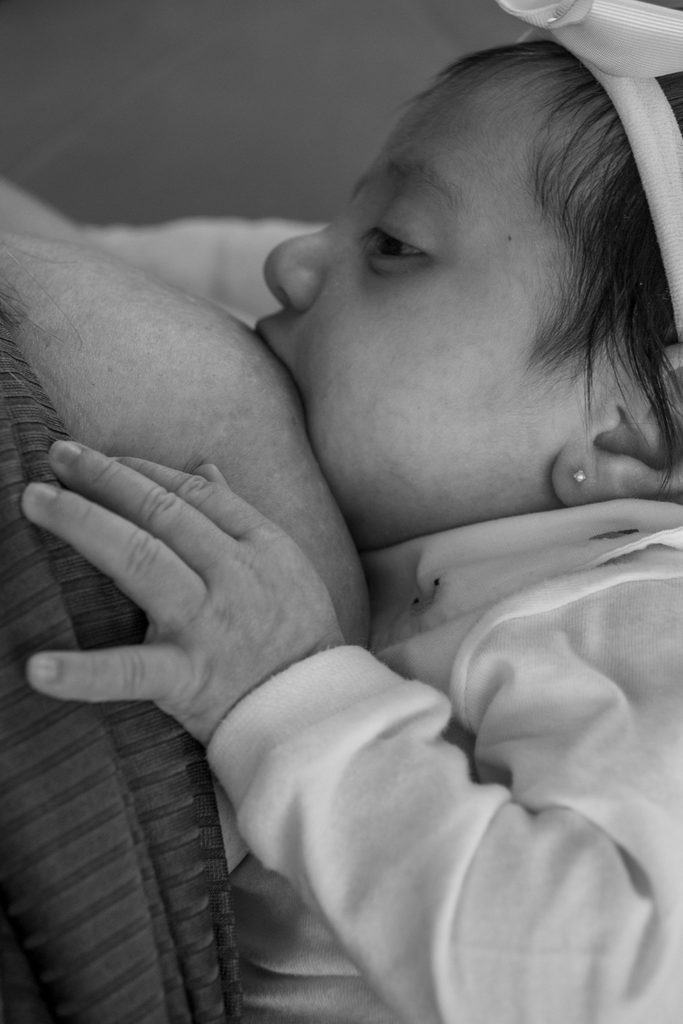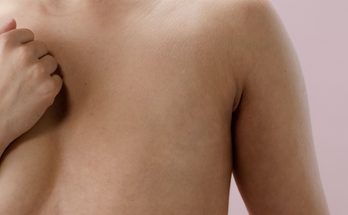

Breast engorgement is a common breastfeeding concern that can make the breasts feel unusually full, firm, heavy, swollen, or uncomfortable.
It often happens when milk production increases after birth, particularly during the first few days when the breasts begin producing more milk than the baby may initially drink.
Engorgement can also occur later when breastfeeding sessions are missed, feeding patterns suddenly change, or milk is not removed effectively.
Although breast fullness can be uncomfortable, understanding why it happens and learning practical ways to manage it can make breastfeeding easier and more comfortable.
Finding effective breast engorgement relief involves helping milk move from the breasts without creating additional irritation or encouraging an unnecessarily large increase in milk production.
Simple measures such as frequent breastfeeding, gentle breast massage, comfortable positioning, and appropriate use of warmth or cold can help reduce discomfort.
However, severe or persistent symptoms may require professional advice because breast swelling can sometimes occur alongside other breastfeeding problems.
With appropriate care and support, many mothers can manage engorgement while continuing to breastfeed comfortably.
What Is Breast Engorgement?
Breast engorgement occurs when the breasts become overly full and swollen, often because of a combination of increased milk, blood flow, and tissue fluid.
The breasts may feel firm, tight, warm, heavy, or tender, and the nipples may temporarily become flatter because the surrounding tissue is swollen.
Engorgement is especially common during the early days after birth when milk production is changing rapidly.
It can also happen when a mother suddenly breastfeeds less often than usual.
The discomfort can affect one or both breasts and may make it harder for the baby to attach properly.
Recognizing engorgement early can help a mother take simple steps before the swelling becomes more uncomfortable.
What Causes Breast Engorgement?
Several situations can contribute to breast engorgement.
The most common cause is the normal increase in milk production that occurs after childbirth.
However, engorgement may also develop when the baby does not feed frequently enough, breastfeeding sessions are skipped, or milk is not removed effectively.
A baby having difficulty latching can leave more milk in the breast and contribute to fullness.
Suddenly stopping breastfeeding or replacing several breastfeeds with formula can also cause the breasts to become overly full.
In some cases, a mother may express more milk than her baby needs, which can contribute to an ongoing cycle of excessive fullness.
Understanding the underlying cause is useful because the best approach is not simply to remove as much milk as possible but to support comfortable and effective milk removal.
Common Symptoms of Breast Engorgement
The symptoms of engorgement can vary from mild fullness to significant discomfort.
The breasts may feel hard, swollen, heavy, tight, or tender, and the skin may appear stretched or shiny.
Some mothers notice that the nipples become less prominent because swelling around the nipple and areola makes it harder for the baby to latch.
Both breasts may become affected, although the degree of swelling can differ between them.
A mother may also notice that the breasts feel fuller than usual before a feeding and become more comfortable after milk is removed.
Engorgement itself is generally related to breast fullness and swelling, but symptoms that are severe, persistent, or accompanied by feeling unwell should be discussed with a healthcare professional.
Breastfeed Frequently
One of the most useful ways to manage engorgement is to continue breastfeeding frequently according to the baby’s feeding needs.
Regular milk removal can help prevent the breasts from remaining excessively full for long periods.
Instead of waiting until the breasts become extremely firm or uncomfortable, offering the breast when the baby shows early hunger cues may help maintain more comfortable milk flow.
A mother should generally avoid deliberately skipping feeds simply because her breasts feel swollen.
If the baby is having difficulty attaching because the breast is too firm, expressing a small amount of milk before the feed may soften the area around the nipple and make attachment easier.
Frequent, effective feeding can support comfort while helping the mother and baby establish a sustainable breastfeeding pattern.
Use Gentle Hand Expression
Hand expression can be helpful when the breast is so full that the baby cannot comfortably latch.
The goal is not necessarily to empty the entire breast but to remove enough milk to soften the nipple and surrounding area.
A mother can gently express a small amount of milk using clean hands and a comfortable technique.
Excessive or forceful expression may stimulate additional milk production and can sometimes make a cycle of fullness more difficult to manage.
Gentle expression can also be useful when a baby misses a feed or when the mother needs temporary relief between breastfeeding sessions.
If hand expression causes significant pain, the technique should be stopped, and guidance from a breastfeeding professional can be helpful.
Try Gentle Breast Massage
Gentle massage may help a mother feel more comfortable when her breasts are full and tense.
Rather than using strong pressure, massage should be light and comfortable, especially because aggressive manipulation can irritate already swollen breast tissue.
A mother can use gentle movements around the breast while feeding or expressing milk, focusing on comfort rather than trying to force milk through the breast.
The breast should not be squeezed, kneaded, or pressed forcefully.
If massage increases pain, swelling, or irritation, it is better to stop.
Comfortable milk removal and appropriate support are more important than trying to massage the breast aggressively.
Use Cold for Swelling and Discomfort
Cold packs can provide soothing relief when the breasts feel swollen or painful.
A cold pack wrapped in a cloth can be placed over the breast for a short period to help reduce discomfort and swelling.
The pack should not be placed directly against the skin because very cold temperatures can irritate or injure the skin.
Cold treatment can be especially useful after breastfeeding or expressing milk when the breast remains uncomfortable.
It is not necessary to keep the breast cold for a long time.
Short, comfortable applications are generally sufficient for temporary relief.
If the skin becomes numb or painful, the cold pack should be removed.
https://www.unicef.org/nutrition/breastfeeding?
Consider Gentle Warmth Before Feeding
Some mothers find gentle warmth helpful immediately before breastfeeding or expressing milk because it can feel soothing and may encourage milk flow.
A warm shower or comfortably warm cloth can be used for a short period before feeding.
Very hot water or prolonged heat is not necessary and may increase swelling or irritate the skin.
The purpose of warmth is mainly to make feeding or milk removal more comfortable rather than to treat the underlying cause of engorgement.
If warmth makes the breast feel more swollen or uncomfortable, a mother can stop using it and try another comfort measure.
Improve the Baby’s Latch
A comfortable and effective latch is important when managing breast engorgement.
When a baby attaches well, milk can generally be removed more effectively, while a poor latch may make feeding painful and leave the breast feeling overly full.
During a feed, the baby’s body should be close to the mother’s body, with the head and body reasonably aligned.
The baby should take a good portion of the breast into the mouth rather than sucking only on the nipple.
If the breast is very firm, a gentle hand expression before feeding can soften the areola and make attachment easier.
If repeated latch difficulties occur, a lactation professional or healthcare provider can assess the feeding technique and provide individualized support.
Choose a Comfortable Breastfeeding Position
Different breastfeeding positions can help mothers find a comfortable way to feed while dealing with engorgement.
The most important goal is to keep the baby close and well supported so the mother does not have to lean forward or hold the baby awkwardly.
Positions such as the cradle hold, cross-cradle hold, football hold, or side-lying position may work for different mothers and babies.
Comfort is particularly important when the breasts are tender.
Changing positions can also make breastfeeding more manageable if one position causes pressure or discomfort.
There is no single position that is perfect for every mother, so finding a secure and comfortable position can make feeding easier.
Avoid Over-Pumping
Pumping can be useful when a baby cannot feed directly or when milk needs to be expressed for a specific reason, but pumping repeatedly just to completely empty the breasts may sometimes contribute to increased milk production.
When dealing with ordinary engorgement, the goal is generally to relieve uncomfortable fullness while maintaining a feeding pattern appropriate for the baby.
If a mother pumps large amounts frequently because the breasts feel full, the body may receive signals to produce more milk.
This can potentially contribute to continued oversupply and repeated engorgement.
Mothers who need to pump regularly should consider getting guidance on an appropriate pumping routine based on their individual circumstances.
Wear Comfortable, Supportive Clothing
Clothing and bras that provide comfortable support without putting strong pressure on the breasts may make engorgement easier to tolerate.
A very tight bra can press on breast tissue and create additional discomfort.
Mothers should choose clothing that allows normal movement and does not squeeze the breasts.
During periods of swelling, comfort is more important than trying to compress the breasts tightly.
If a particular bra leaves deep marks, causes pain, or makes one area of the breast uncomfortable, choosing a different size or style may help.
Comfortable clothing can be especially useful during sleep and throughout the early postpartum period.
Stay Hydrated and Eat Regularly
Breastfeeding mothers need adequate fluids and nutritious food to support their overall health and energy needs.
Drinking according to thirst and eating regular balanced meals can help a mother feel better while recovering from childbirth and caring for her baby.
However, drinking unusually large amounts of water does not directly treat breast engorgement.
Likewise, restricting fluids is not an appropriate way to try to reduce milk production without professional advice.
A balanced diet containing a variety of foods, along with sufficient rest when possible, can support general postpartum wellbeing.
Breast engorgement is primarily related to milk production and breast tissue changes, so hydration should be viewed as part of general health rather than a direct cure.
https://www.who.int/health-topics/breastfeeding?
What Should You Avoid During Engorgement?
When the breasts are swollen and tender, harsh or aggressive methods should be avoided.
Strong breast massage, excessive pumping, forceful squeezing, and prolonged heat may make discomfort worse for some mothers.
It is also important not to stop breastfeeding suddenly unless a healthcare professional recommends it.
Sudden changes in milk removal can lead to increased fullness and may create additional breastfeeding difficulties.
Mothers should also avoid putting unverified substances or irritating products on the breasts, particularly around the nipple where the baby feeds.
Gentle care, comfortable milk removal, and appropriate support are generally safer approaches than aggressive attempts to empty or manipulate the breasts.
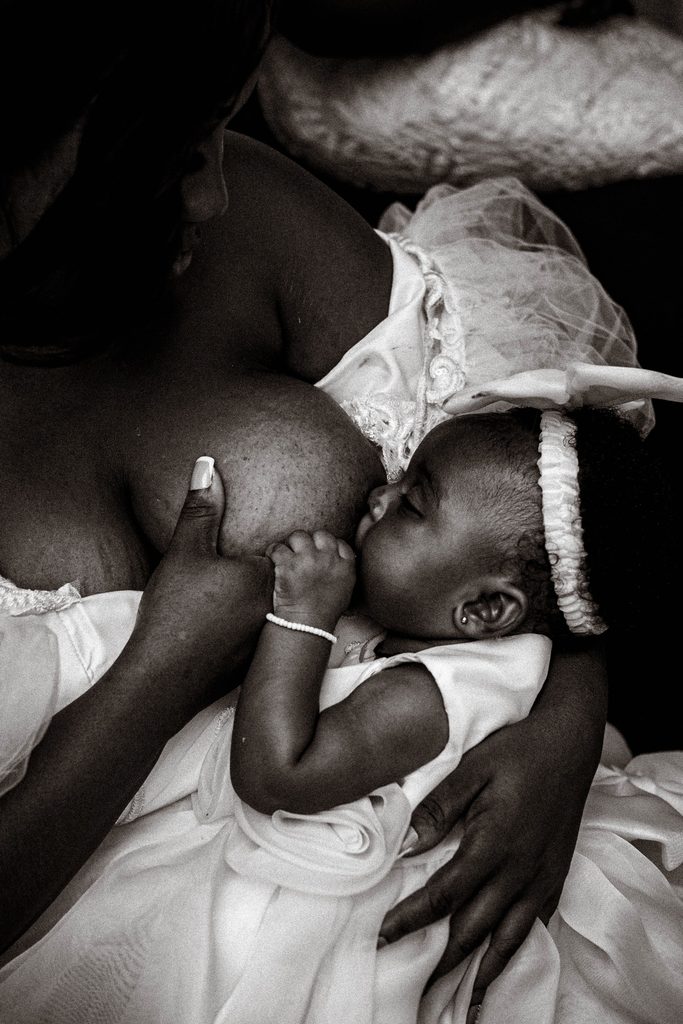
Can Breast Engorgement Affect the Baby’s Latch?
Yes, significant breast swelling can sometimes make it more difficult for a baby to latch.
When the areola becomes firm and swollen, the nipple may appear flatter, giving the baby less soft tissue to grasp.
This does not mean breastfeeding must stop.
A mother can try gently expressing a small amount of milk before feeding to soften the area around the nipple.
She can then position the baby close to the breast and encourage a deep latch.
If the baby continues to struggle with attachment, professional breastfeeding support can be valuable.
Addressing latch problems early may also help prevent ongoing milk-removal difficulties.
When Should You Seek Medical Help?
Most uncomplicated engorgement improves with appropriate breastfeeding support and comfortable milk removal, but certain symptoms should receive medical attention.
A mother should seek professional advice if she develops a significant fever, feels unusually ill, experiences worsening breast pain, notices increasing redness or swelling, or has symptoms that do not improve.
Persistent or severe symptoms can sometimes indicate another breast problem that needs assessment.
A healthcare professional can determine whether the symptoms are consistent with uncomplicated engorgement or whether additional treatment is needed.
Prompt attention is particularly important when symptoms are rapidly worsening or when a mother is concerned about her health.
Breast Engorgement and Mastitis
Breast engorgement and mastitis are not exactly the same condition.
Engorgement commonly involves widespread breast fullness, firmness, and swelling associated with changes in milk production and milk removal.
Mastitis can involve a more localized painful area and may be accompanied by symptoms such as fever, chills, or feeling unwell.
Not every episode of breast pain means that a mother has mastitis, but significant or worsening symptoms should not be ignored.
A healthcare professional can help distinguish between different causes of breast discomfort and recommend appropriate care.
Continuing appropriate breastfeeding or milk removal may be part of management, depending on the individual situation and professional advice.
https://www.cdc.gov/breastfeeding/?
How Long Does Breast Engorgement Last?
The duration of engorgement varies from one mother to another.
Mild fullness may improve relatively quickly after effective milk removal, while discomfort during the early postpartum period may come and go as milk production adjusts to the baby’s feeding pattern.
Engorgement may also return temporarily when feeds are missed, breastfeeding schedules change, or the baby begins sleeping for longer periods.
Establishing a comfortable feeding routine can help reduce repeated episodes.
If swelling remains severe, repeatedly returns despite appropriate feeding, or is accompanied by concerning symptoms, professional evaluation can help identify whether another issue is contributing to the problem.
How to Prevent Future Engorgement
Preventing repeated engorgement usually involves maintaining a breastfeeding pattern that matches the baby’s needs and avoiding sudden changes in milk removal.
Feeding when the baby shows hunger cues, paying attention to latch quality, and avoiding unnecessary delays between feeds can help.
If a breastfeeding session must be missed, expressing enough milk for comfort may be useful.
Mothers who are pumping should use a schedule appropriate for their baby’s needs rather than repeatedly pumping simply because the breasts feel full.
As breastfeeding becomes established, the breasts often become more comfortable and adjust to the amount of milk regularly removed.
Support from a healthcare provider or lactation professional can be particularly useful when engorgement happens frequently.
Final Thoughts on Breast Engorgement Relief
Breast engorgement can be uncomfortable, especially during the early days and weeks of breastfeeding, but several gentle strategies can help improve comfort.
Frequent breastfeeding, a good latch, limited hand expression when needed, gentle breast care, comfortable clothing, and cold applications for swelling may all be useful.
Warmth before feeding may feel comfortable for some mothers, while others may prefer cold after feeding.
The key is to avoid aggressive methods and focus on effective, comfortable milk removal.
When symptoms are severe, persistent, or accompanied by fever or feeling unwell, professional medical advice is important. With the right support and a manageable feeding routine, many mothers can reduce engorgement discomfort and continue breastfeeding with greater confidence.