Iron is one of the most essential minerals your body needs to stay healthy and energized.
It plays a critical role in producing hemoglobin, the protein in red blood cells responsible for carrying oxygen throughout the body.
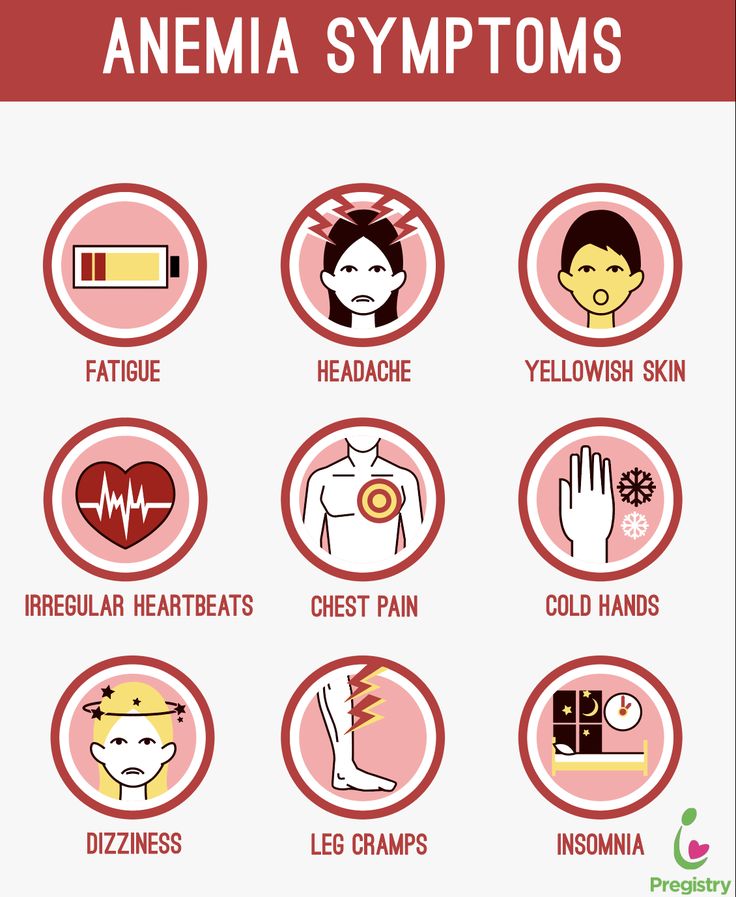
Without enough iron, your organs and muscles receive less oxygen, which can lead to fatigue, weakness, dizziness, headaches, pale skin, poor concentration, and reduced immunity.
Iron deficiency is one of the most common nutritional deficiencies worldwide, affecting children, women of reproductive age, pregnant women, vegetarians, and people with certain medical conditions.
While many people focus on eating more iron-rich foods, they often overlook another important factor that can determine whether the body actually benefits from the iron consumed.
Surprisingly, some healthy everyday foods can reduce the body’s ability to absorb iron.
This doesn’t necessarily mean these foods are unhealthy or should be avoided completely. Many of them are packed with vitamins, minerals, antioxidants, and other health benefits.
The real issue is eating them at the wrong time, especially together with iron-rich meals. Understanding which foods block iron absorption—and learning what to eat instead—can help you maximize the amount of iron your body absorbs naturally.
In this guide, you’ll discover ten common foods that may interfere with iron absorption and practical alternatives that support healthy iron levels and better overall well-being.
Why Do Some Foods Block Iron Absorption?
Iron is absorbed in two forms: heme iron, found in animal foods such as meat, poultry, and fish, and non-heme iron, found in plant-based foods like beans, spinach, lentils, and whole grains. Heme iron is absorbed much more efficiently, while non-heme iron is more sensitive to compounds naturally present in many foods and drinks.
These compounds—including tannins, phytates, calcium, oxalates, and polyphenols—can bind to iron in the digestive tract, making it harder for your body to absorb.
Fortunately, you don’t have to eliminate these foods.
Simply adjusting when you eat them and pairing iron-rich meals with vitamin C-rich foods can dramatically improve iron absorption and reduce your risk of iron deficiency.

1. Tea
Tea is one of the world’s most popular beverages, but it is also one of the strongest natural inhibitors of iron absorption.
Black tea, green tea, and some herbal teas contain compounds called tannins, which bind to non-heme iron and reduce the amount your body absorbs.
Studies have shown that drinking tea with or immediately after a meal can significantly decrease iron absorption, particularly for people who rely on plant-based diets or have low iron stores.
This effect becomes even more important for pregnant women, growing children, and individuals diagnosed with iron-deficiency anemia.
Fortunately, you don’t need to give up tea altogether.
The best strategy is to enjoy it between meals rather than during or immediately after eating. Waiting at least one to two hours after an iron-rich meal allows your body enough time to absorb much of the available iron.
Instead of tea with lunch or dinner, consider drinking water or a glass of fresh orange juice, which is naturally rich in vitamin C and helps your body absorb iron more effectively.
2. Coffee
Coffee contains powerful antioxidants known as polyphenols, which offer many health benefits but can also interfere with iron absorption.
Drinking coffee with breakfast or immediately after a meal may reduce the body’s ability to absorb non-heme iron, especially from cereals, vegetables, beans, and grains.
Even decaffeinated coffee may have a similar effect because the polyphenols—not the caffeine—are primarily responsible for reducing iron absorption.
Rather than eliminating coffee, simply adjust its timing. Enjoy your morning coffee at least one hour before breakfast or two hours after eating.
If your meal includes iron-rich foods, choose water, lemon water, or a vitamin C-rich fruit juice instead.
This simple habit can make a noticeable difference in the amount of iron your body absorbs over time.
3. Milk
Milk is an excellent source of calcium, protein, and several essential nutrients needed for strong bones and teeth.
However, calcium competes with iron during digestion, making it harder for your body to absorb both heme and non-heme iron when consumed together.
Drinking a large glass of milk alongside an iron-rich meal may reduce the amount of iron available for absorption, particularly in children who consume high amounts of dairy every day.
This doesn’t mean milk is unhealthy—it simply means timing matters.
Try drinking milk between meals instead of with breakfast, lunch, or dinner if those meals are rich in iron.
During iron-rich meals, include foods high in vitamin C, such as oranges, strawberries, kiwi, tomatoes, or bell peppers, to naturally improve iron absorption.
4. Cheese
Cheese is rich in calcium and provides protein, vitamin B12, and other valuable nutrients. However, like milk, its high calcium content may interfere with iron absorption when eaten in large amounts alongside iron-rich foods.
This is especially important if your meal already contains plant-based sources of iron, which are more vulnerable to absorption inhibitors.
Instead of serving large portions of cheese with iron-rich meals, try enjoying cheese as a snack between meals.
If you’re eating foods like spinach, lentils, beans, or fortified cereals, pair them with colorful vegetables such as red bell peppers, broccoli, or tomatoes to boost vitamin C intake and help your body absorb more iron naturally.
5. Yogurt
Yogurt is well known for supporting digestive health because it contains beneficial probiotics, along with protein and calcium.
While it is a nutritious food, the calcium it provides may temporarily reduce iron absorption when eaten at the same time as iron-rich meals.
This effect is generally modest, but it can become more significant for people who already have low iron levels or those taking iron supplements.
A better approach is to enjoy yogurt as a healthy snack between meals or in the evening rather than with lunch or dinner.
If you are taking iron supplements, avoid consuming yogurt or other dairy products at the same time.
Pair your iron-rich meals with fruits like oranges, pineapple, mango, or berries to maximize the amount of iron your body absorbs and supports healthy red blood cell production.
6. Whole Grains
Whole grains such as brown rice, oats, quinoa, barley, and whole wheat bread are excellent sources of fiber, vitamins, and minerals.
However, they also contain phytates, natural compounds that can bind to iron and reduce the body’s ability to absorb it.
Although phytates are part of a healthy diet, eating large amounts of whole grains without balancing your meals may decrease iron absorption, particularly for vegetarians and vegans who rely heavily on plant-based iron sources.
The good news is that there are simple ways to reduce the effects of phytates.
Soaking grains before cooking, choosing fermented grain products, or sprouting certain grains can help lower phytate levels.
Pairing whole grains with vitamin C-rich foods such as tomatoes, broccoli, oranges, kiwi, strawberries, or bell peppers can also significantly improve iron absorption.
This allows you to enjoy the health benefits of whole grains while still supporting healthy iron levels.
https://ods.od.nih.gov/factsheets/Iron-Consumer/?utm_source=chatgpt.com
7. Beans and Lentils
Beans, lentils, chickpeas, and peas are often recommended as excellent plant-based sources of iron, protein, and fiber.
However, these nutritious foods also naturally contain phytates, which may reduce the amount of iron your body absorbs.
This can be confusing because they are both a source of iron and a food that contains compounds that interfere with its absorption.
Fortunately, preparation methods make a big difference.
Soaking beans overnight, rinsing them thoroughly, and cooking them well can reduce phytate content.
Combining beans or lentils with vitamin C-rich vegetables such as tomatoes, bell peppers, cabbage, or lemon juice helps increase iron absorption.
A simple squeeze of fresh lemon over a bean salad or lentil soup can make your meal much more iron-friendly.
8. Spinach
Spinach is widely recognized as an iron-rich vegetable, but it also contains oxalates, compounds that bind to iron and limit how much of it the body can absorb.
This means that although spinach contains iron, your body cannot use all of it efficiently.
Many people mistakenly believe spinach alone is enough to prevent iron deficiency, but the reality is more complex.
Instead of relying only on spinach, include other iron-rich vegetables such as kale, broccoli, Swiss chard, or iron-fortified foods in your diet.
When eating spinach, pair it with vitamin C-rich ingredients like tomatoes, citrus fruits, or red peppers.
Cooking spinach may also reduce some oxalate content, making the iron slightly more available.
9. Soy Products
Soybeans, tofu, tempeh, soy milk, and other soy-based foods are popular choices for vegetarians and people looking for plant-based protein.
While soy products are highly nutritious, they contain phytates and certain proteins that may decrease iron absorption when eaten in large quantities with iron-rich meals.
This doesn’t mean you should avoid soy. Instead, try balancing your meals by including plenty of vitamin C-rich fruits and vegetables.
If you take iron supplements, avoid consuming soy products at the same time.
Waiting a few hours between iron supplements and soy foods can help improve iron absorption while still allowing you to enjoy the nutritional benefits of soy.
https://www.unicef.org/nutrition?utm_source=chatgpt.com
10. Chocolate and Cocoa
Dark chocolate and cocoa are packed with antioxidants and can be part of a healthy diet when enjoyed in moderation.
However, cocoa contains polyphenols that may reduce non-heme iron absorption if eaten with or immediately after iron-rich meals.
This effect is more noticeable when consuming large amounts of chocolate regularly.
Rather than giving up your favorite treat, simply enjoy chocolate between meals instead of immediately after lunch or dinner.
Fresh fruit, nuts, or yogurt (at a different time from iron-rich meals) can also be satisfying snack options.
If you’re eating an iron-rich meal, choose water or a vitamin C-rich drink instead of cocoa-based beverages.
Tips to Improve Iron Absorption
Even if your diet includes some foods that naturally reduce iron absorption, there are many easy ways to help your body absorb more iron:
- Eat vitamin C-rich foods such as oranges, lemons, strawberries, kiwi, tomatoes, broccoli, and bell peppers with iron-rich meals.
- Include heme iron sources like lean beef, chicken, turkey, seafood, and fish if your diet allows.
- Drink tea and coffee at least one to two hours before or after meals.
- Avoid taking calcium supplements with iron supplements unless advised by your healthcare provider.
- Soak, ferment, or sprout beans, lentils, and grains before cooking to reduce phytates.
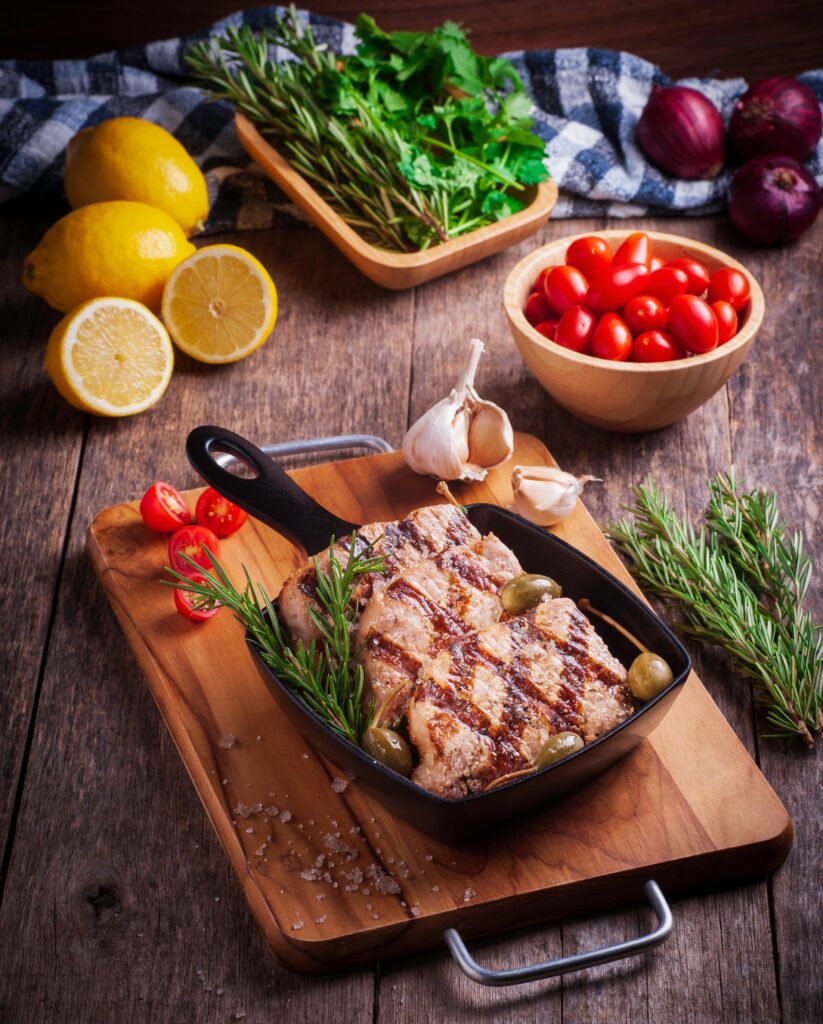
- Cook meals using a cast-iron pan, which may naturally increase the iron content of certain foods.
- Maintain a balanced diet that includes a variety of iron-rich foods rather than relying on a single source.
Final Thoughts
Many foods that reduce iron absorption are still incredibly healthy and should remain part of a balanced diet.
The goal is not to eliminate tea, coffee, dairy products, whole grains, or other nutritious foods, but to understand the best time to eat them.
By making simple adjustments—such as separating iron blockers from iron-rich meals and adding more vitamin C-rich foods—you can significantly improve your body’s ability to absorb iron.
Small dietary changes often produce long-term health benefits.
Whether you’re trying to prevent iron deficiency, increase your energy levels, or support healthy red blood cell production, paying attention to food combinations is just as important as eating iron-rich foods themselves.
With the right eating habits, you can maximize iron absorption naturally and support better health every day.
https://www.who.int/health-topics/anaemia?utm_source=chatgpt.com
Frequently Asked Questions (FAQs)
1. Should I completely avoid foods that block iron absorption?
No. Most of these foods are highly nutritious. The key is to avoid consuming them at the same time as iron-rich meals.
2. What foods help increase iron absorption?
Vitamin C-rich foods such as oranges, lemons, strawberries, kiwi, tomatoes, broccoli, and bell peppers are among the best foods for improving iron absorption.
3. Is tea worse than coffee for iron absorption?
Generally, tea has a stronger effect because of its high tannin content, although coffee can also reduce iron absorption due to its polyphenols.
4. Does calcium always block iron absorption?
Calcium can temporarily reduce iron absorption when consumed together with iron-rich foods, but eating both at different times minimizes this effect.
5. What is the best drink with an iron-rich meal?
Water or fresh orange juice are excellent choices because they do not interfere with iron absorption, and orange juice provides vitamin C that helps your body absorb more iron.