Anemia is a common health condition that occurs when the body does not have enough healthy red blood cells or hemoglobin to carry adequate oxygen to its tissues.
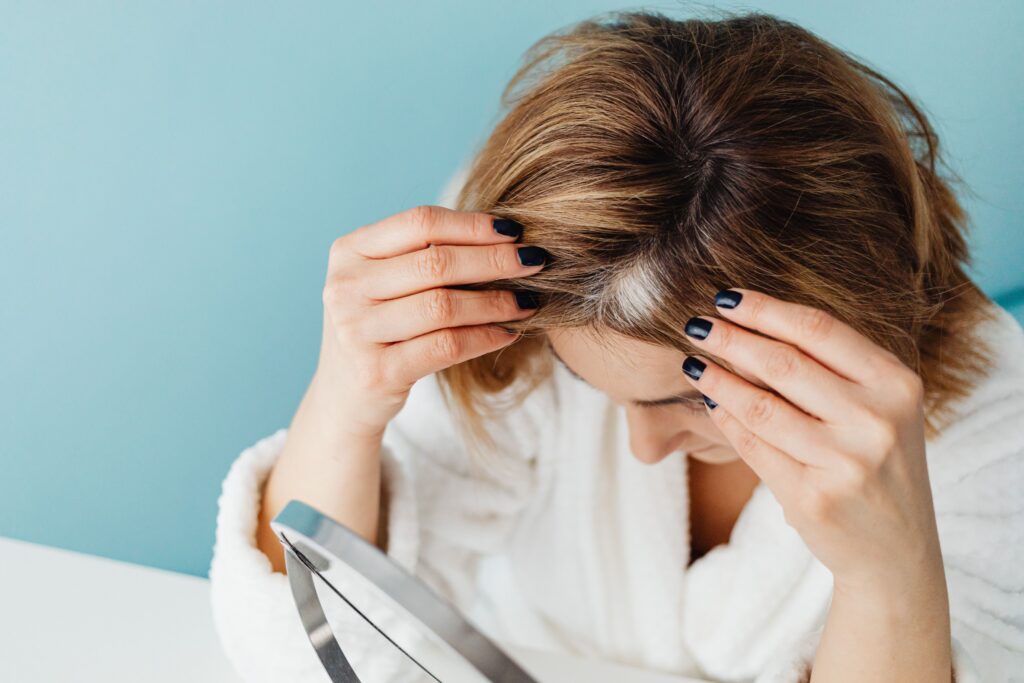
While symptoms such as fatigue, weakness, dizziness, and shortness of breath are widely recognized, anemia can also have an important impact on hair health.
Because hair follicles require a continuous supply of oxygen and nutrients to function properly, reduced oxygen delivery caused by anemia can disrupt the normal hair growth cycle and lead to increased hair shedding over time.
If you notice excessive hair loss along with symptoms such as persistent tiredness, pale skin, or difficulty concentrating, anemia may be an underlying factor that needs attention.
Iron deficiency anemia is the most common type associated with hair loss, although deficiencies in vitamin B12, folate, and other nutrients may also play a role.
Understanding the connection between anemia and hair loss is essential for identifying the cause, seeking effective treatment, and helping restore healthy hair growth while improving overall well-being.
Understanding Anemia
Anemia develops when the body lacks enough healthy red blood cells or hemoglobin to deliver adequate oxygen throughout the body.
This condition can be caused by a variety of factors, including:
Iron deficiency
Iron deficiency is the most common cause of anemia and a leading contributor to hair loss.
Iron is essential for producing hemoglobin, the protein in red blood cells that carries oxygen throughout the body.
When iron levels become too low, the body prioritizes delivering oxygen to vital organs, which may reduce the oxygen and nutrients available to hair follicles.
As a result, the normal hair growth cycle can be disrupted, leading to increased hair shedding, thinning hair, and slower regrowth.
Treating iron deficiency through a balanced diet, iron-rich foods, or supplements prescribed by a healthcare provider can help restore healthy hair growth and improve overall health.
Vitamin deficiency
Deficiencies in essential vitamins, particularly vitamin B12 and folate, can contribute to anemia and may also increase the risk of hair loss.
These nutrients are necessary for the production of healthy red blood cells, which transport oxygen to the body’s tissues, including the scalp and hair follicles.
When vitamin levels are too low, reduced oxygen delivery can disrupt the normal hair growth cycle, resulting in excessive shedding or thinning hair.
Identifying and correcting vitamin deficiencies through a nutrient-rich diet or supplements recommended by a healthcare provider can help improve red blood cell production, support healthy hair growth, and enhance overall well-being.
Chronic diseases
Certain chronic diseases can contribute to the development of anemia and may indirectly lead to hair loss.
Conditions such as chronic kidney disease, autoimmune disorders, inflammatory bowel disease, and some types of cancer can interfere with the body’s ability to produce healthy red blood cells or properly absorb essential nutrients.
As a result, oxygen delivery to the scalp and hair follicles may decrease, disrupting the normal hair growth cycle and causing increased hair shedding or thinning.
Managing the underlying chronic condition, along with treating the associated anemia, is an important step in improving overall health and supporting healthy hair growth.
How Anemia Can Lead to Hair Loss
Healthy hair follicles depend on a continuous supply of oxygen and essential nutrients to maintain normal hair growth.
When anemia reduces the amount of oxygen reaching the scalp, hair follicles may become weakened, disrupting the hair growth cycle and leading to increased hair shedding.
The following explains how anemia can contribute to hair loss:
Reduced Oxygen Supply
One of the primary ways anemia contributes to hair loss is by reducing the amount of oxygen delivered to hair follicles.
Healthy red blood cells carry oxygen throughout the body, supplying the scalp and hair roots with the energy they need to support normal hair growth.
When anemia lowers the number of healthy red blood cells or hemoglobin, hair follicles receive less oxygen, which can disrupt the natural hair growth cycle.
As a result, more hairs may enter the shedding phase prematurely, leading to increased hair thinning and excessive hair loss.
Treating the underlying anemia can help restore adequate oxygen delivery and support healthier hair growth over time.
Nutrient Deficiency
Nutrient deficiencies associated with anemia can have a significant impact on hair health.
Iron, vitamin B12, folate, and other essential nutrients play important roles in red blood cell production as well as the growth and repair of hair follicles.
When the body lacks these nutrients, hair follicles may not receive the nourishment they need to maintain a healthy growth cycle.
This can result in weaker hair strands, slower hair growth, increased shedding, and noticeable thinning.
Correcting nutrient deficiencies through a balanced diet, fortified foods, or supplements recommended by a healthcare provider can help improve both hair growth and overall health.
https://www.unicef.org/somalia/nutrition?utm_source=chatgpt.com
Increased Hair Shedding
Anemia can cause more hair follicles to enter the resting phase of the hair growth cycle earlier than normal, resulting in increased hair shedding.
When the body is not receiving enough oxygen or essential nutrients due to anemia, it prioritizes vital organs over processes such as hair growth.
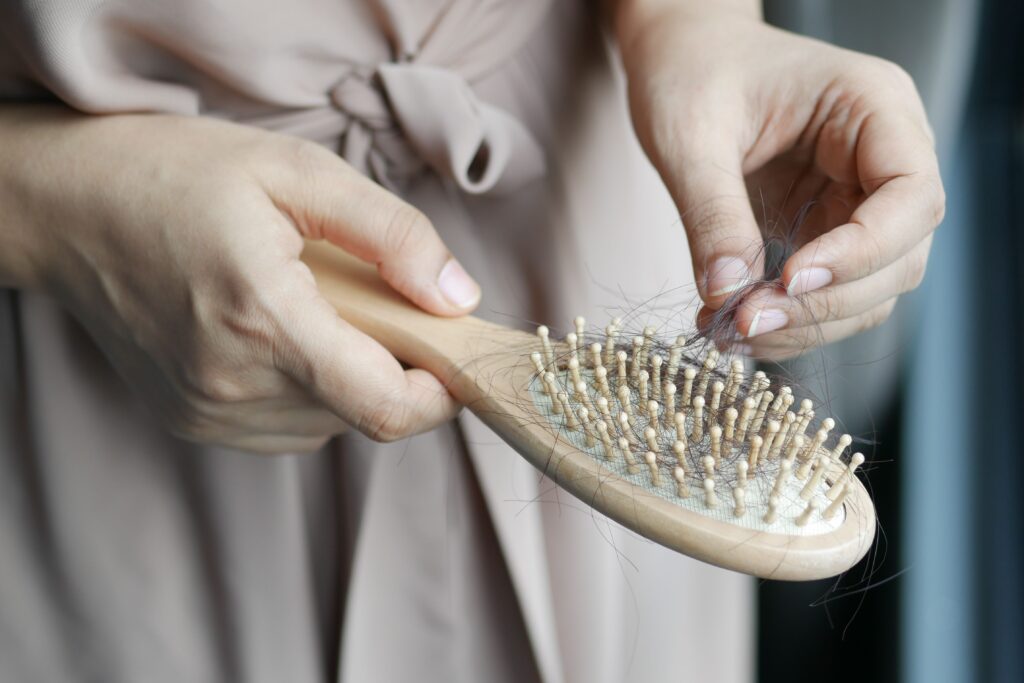
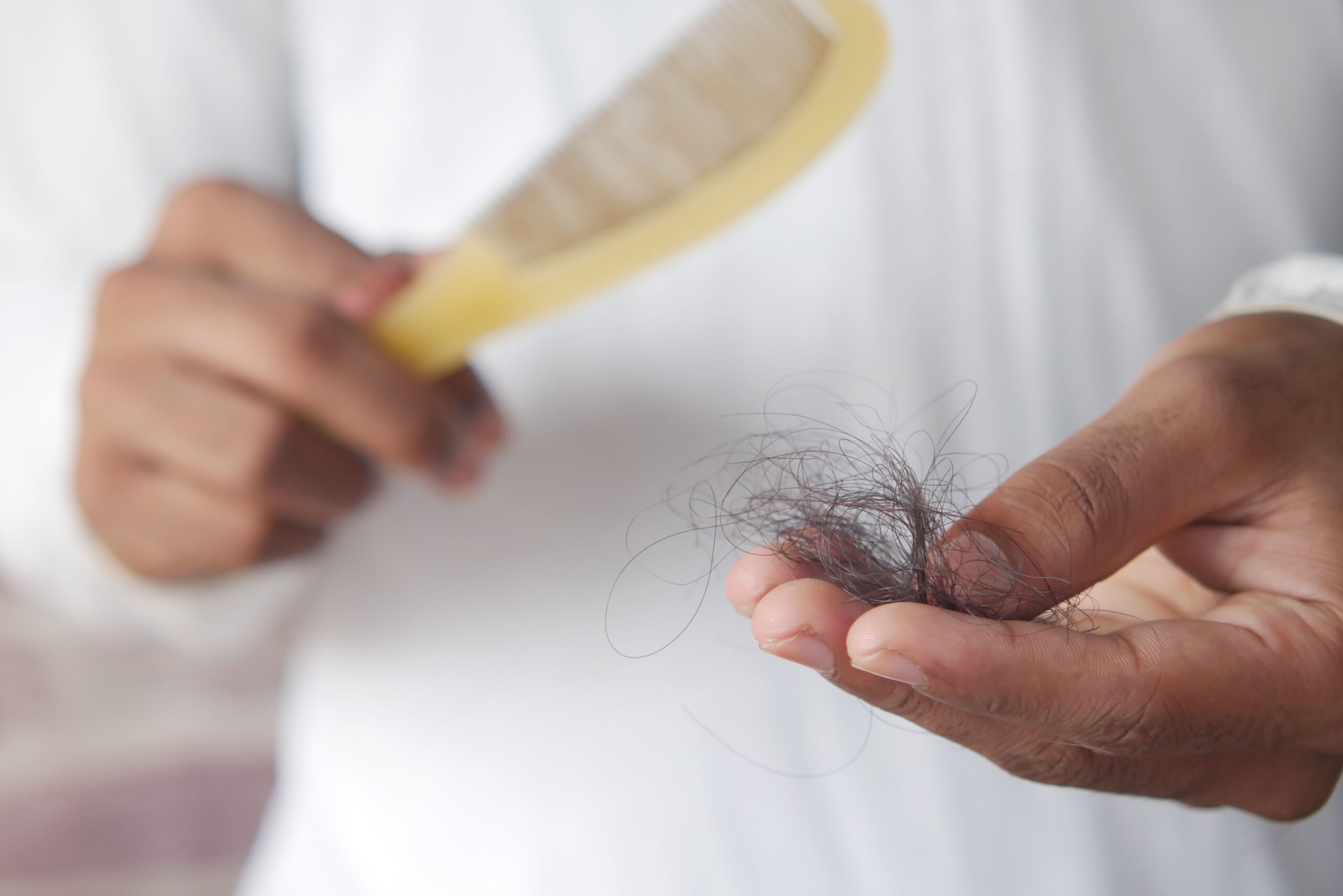
As a result, hair follicles may stop growing actively and begin shedding more hair than usual, a condition often known as excessive hair loss or diffuse thinning.
This type of shedding may become noticeable during washing, brushing, or styling the hair. Identifying and treating the underlying cause of anemia can help reduce excessive shedding and support the return of healthy hair growth.
Symptoms of Anemia-Related Hair Loss
Hair loss associated with anemia often presents with the following signs and symptoms:
Thinning Hair
Thinning hair is one of the most common signs of hair loss associated with anemia.
Instead of losing hair in a single area, many people experience a gradual reduction in hair volume across the entire scalp.
This occurs because anemia limits the oxygen and nutrients available to hair follicles, weakening them and slowing normal hair production.
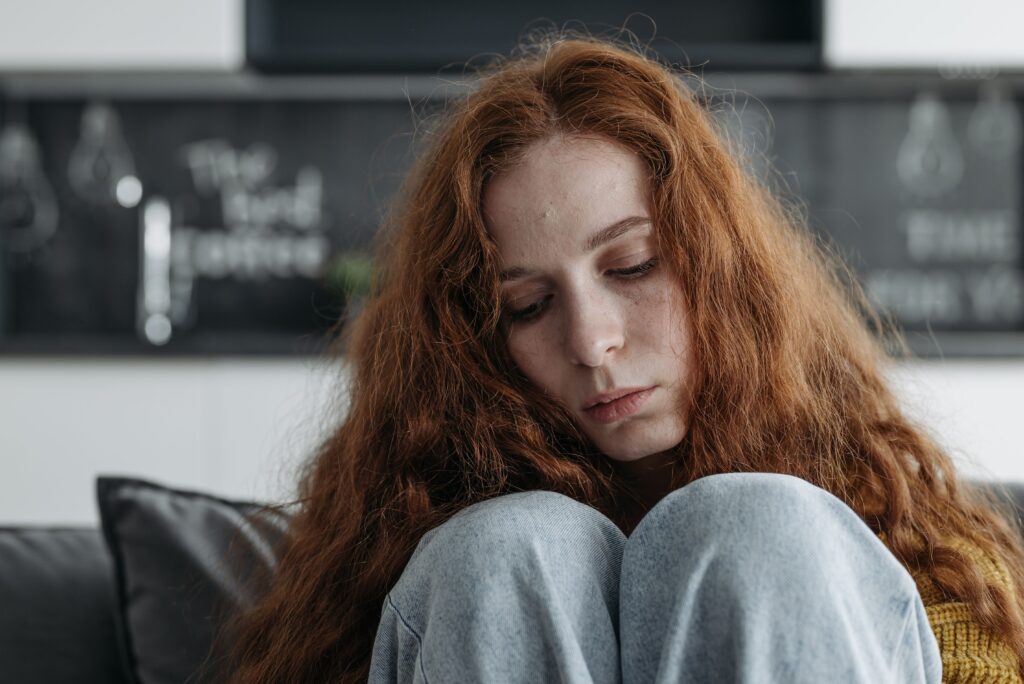
Over time, hair may appear finer, less dense, and more fragile, making the scalp more visible. Treating the underlying anemia and restoring healthy nutrient levels can help improve hair thickness and encourage stronger, healthier hair growth.
Increased Shedding
Increased hair shedding is a common symptom of anemia and often occurs when the body lacks sufficient oxygen and essential nutrients to support healthy hair growth.
As anemia disrupts the normal hair growth cycle, a larger number of hair follicles may enter the resting (telogen) phase earlier than expected, causing more hair to fall out during washing, brushing, or styling.
This type of hair loss is usually diffuse, affecting the entire scalp rather than creating isolated bald patches.
https://www.who.int/data/nutrition/nlis/info/anaemia?utm_source=chatgpt.com
Once the underlying anemia is diagnosed and treated, hair shedding often decreases, and normal hair growth gradually resumes.
Addressing Anemia and Hair Loss
If you suspect that anemia is contributing to your hair loss, the following steps may help.
Consult a Healthcare Provider
If you are experiencing persistent hair loss along with symptoms such as fatigue, weakness, pale skin, or dizziness, it is important to consult a healthcare provider for a proper evaluation.
A medical professional can perform a physical examination and recommend blood tests to determine whether anemia or another underlying condition is causing your symptoms.
Based on the results, they can develop an appropriate treatment plan, which may include dietary changes, supplements, medications, or treatment of an underlying illness.
Early diagnosis and proper management can help improve overall health, reduce excessive hair shedding, and support the return of healthy hair growth.
Dietary Adjustments
Making healthy dietary adjustments can play an important role in treating anemia and supporting healthy hair growth.
Eating a balanced diet that includes iron-rich foods such as lean red meat, poultry, fish, beans, lentils, spinach, and fortified cereals can help improve iron levels.
Foods rich in vitamin C, including oranges, strawberries, bell peppers, and broccoli, can enhance iron absorption when eaten with iron-containing meals.
It is also important to consume adequate amounts of vitamin B12 and folate from foods such as eggs, dairy products, leafy green vegetables, and fortified grains.
A nutrient-rich diet can help restore healthy red blood cell production, improve oxygen delivery, and promote stronger, healthier hair over time.
https://www.who.int/en/health-topics/anaemia?utm_source=chatgpt.com
Supplements
Dietary supplements may be recommended when anemia is caused by deficiencies in iron, vitamin B12, folate, or other essential nutrients.
These supplements can help restore healthy red blood cell production, improve oxygen delivery throughout the body, and support normal hair growth.
However, supplements should only be taken under the guidance of a healthcare provider, as excessive intake—particularly of iron—can be harmful.
Regular follow-up and blood tests can help ensure that nutrient levels return to normal and that treatment is both safe and effective.
Treatment of Underlying Conditions
When anemia is caused by an underlying medical condition, treating that condition is essential for improving both overall health and hair growth.
Chronic diseases, digestive disorders, autoimmune conditions, heavy menstrual bleeding, or other sources of ongoing blood loss can contribute to anemia and prevent nutrient levels from returning to normal.
https://www.who.int/news-room/fact-sheets/detail/anaemia?utm_source=chatgpt.com
Addressing the root cause through appropriate medical care can restore healthy red blood cell production, improve oxygen delivery to the body’s tissues, and reduce excessive hair shedding. In many cases, hair growth gradually improves once the underlying condition and anemia are effectively managed.
Conclusion
Anemia can be an important factor contributing to hair loss, especially when it reduces the supply of oxygen and nutrients needed to support healthy hair follicle function.
Iron deficiency anemia and other nutrient deficiencies may disrupt the normal hair growth cycle, leading to thinning hair and increased shedding.
Identifying and treating the underlying cause of anemia through proper medical evaluation, a balanced diet, and supplements when needed can help restore healthy hair growth and prevent hair loss.
With effective treatment and healthy lifestyle changes, many people can improve their blood health, strengthen their hair, and support their overall well-being.