Anemia is one of the most common nutritional conditions worldwide, affecting millions of people of all ages.
It occurs when your body lacks enough healthy red blood cells or hemoglobin to carry oxygen efficiently throughout the body.
As a result, people with anemia often experience persistent fatigue, dizziness, headaches, weakness, pale skin, and difficulty concentrating.
While iron supplements may be necessary in some cases, eating the right foods—especially nutrient-rich fruits—can naturally support healthy iron levels and improve overall well-being.
Fruits may not always be high in iron, but many are packed with vitamin C, antioxidants, folate, and other essential nutrients that significantly improve iron absorption and support red blood cell production.
Choosing the best fruits for anemia can help your body absorb more iron from plant-based foods while providing countless additional health benefits.
In this guide, you’ll discover the 12 best fruits for anemia, how they work, and the smartest ways to include them in your daily diet for maximum results.
Why Fruits Are Important for Anemia
Although fruits generally contain less iron than meat or legumes, they play a crucial role in preventing and managing iron deficiency anemia.
Many fruits are excellent sources of vitamin C, a nutrient that can dramatically increase the absorption of non-heme iron found in vegetables, beans, lentils, nuts, and whole grains. Additionally, fruits provide antioxidants, fiber, folate, potassium, and other vitamins that help maintain healthy blood cells and improve overall health.
1. Oranges
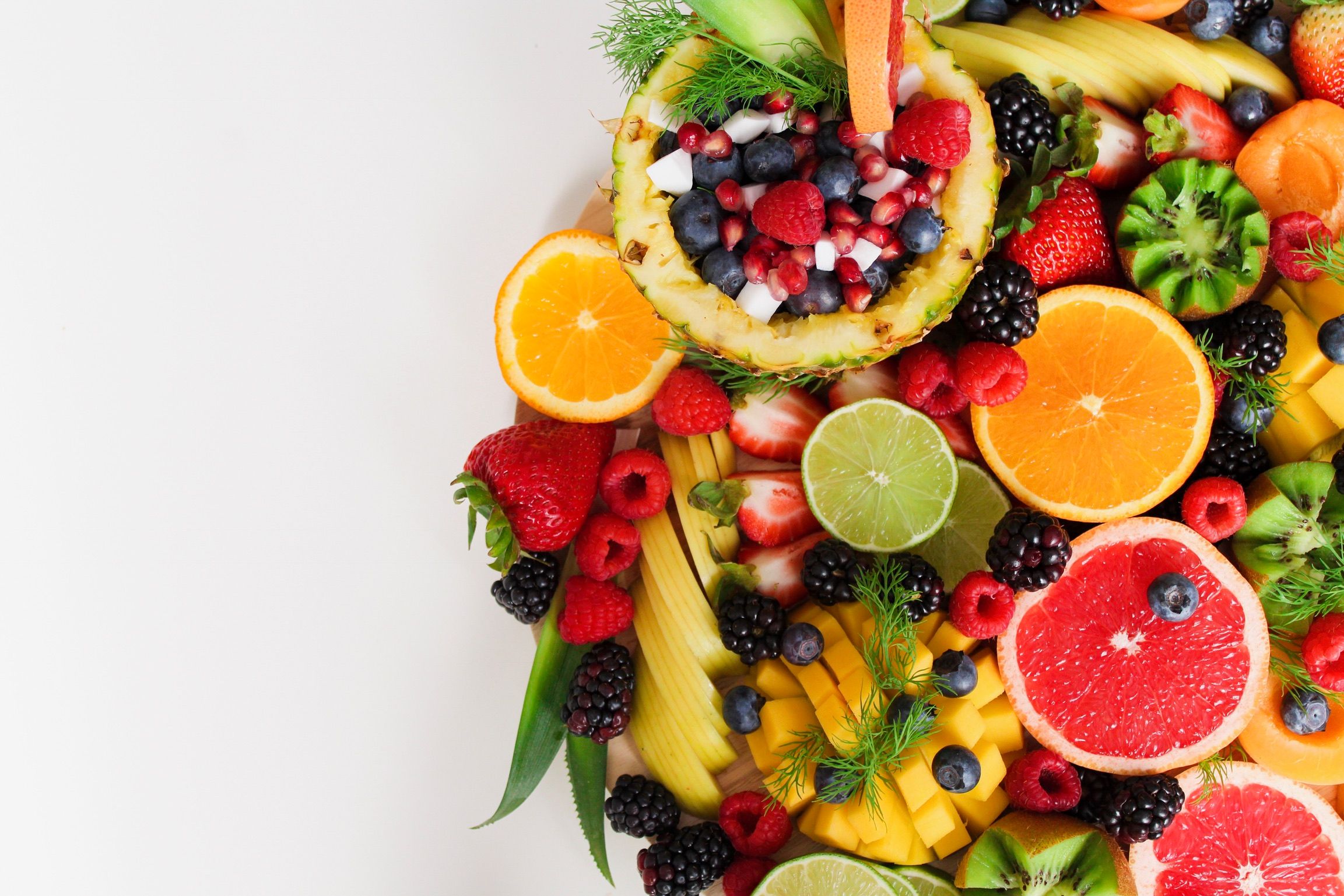
Oranges are among the best fruits for anemia because they are rich in vitamin C.
This powerful nutrient helps convert plant-based iron into a form your body can absorb more efficiently.
Eating an orange alongside iron-rich meals can significantly improve iron absorption while also strengthening your immune system and protecting your cells from oxidative damage.
2. Strawberries
Strawberries provide an impressive amount of vitamin C along with antioxidants that help reduce inflammation.
They support healthy blood circulation and enhance your body’s ability to absorb iron from foods like spinach, lentils, and beans.
Regularly enjoying fresh strawberries can help enhance iron absorption while providing essential vitamins that support overall health.
3. Kiwi
Kiwi is a nutrient powerhouse packed with vitamin C, vitamin E, potassium, and antioxidants. Even one kiwi can supply more than your daily vitamin C requirement, making it an excellent companion to iron-rich meals.
Regularly eating kiwi may improve iron absorption while supporting immune function and healthy skin.
4. Guava
Guava is considered one of the richest natural sources of vitamin C—containing even more than oranges.
It also provides folate, fiber, and antioxidants that help support red blood cell production. Including guava in your daily diet is one of the easiest ways to naturally enhance iron absorption.
5. Pomegranate
Pomegranate has long been associated with healthy blood circulation.
It contains iron, vitamin C, folate, and powerful antioxidants that may help improve hemoglobin levels when consumed as part of a balanced diet.
Fresh pomegranate seeds or unsweetened juice make an excellent addition to meals.
6. Apples
The popular saying, “An apple a day keeps the doctor away,” holds some truth for people with anemia as well.
Apples contain small amounts of iron and vitamin C while providing fiber and antioxidants that promote overall health.
Although apples alone won’t cure anemia, they contribute to a nutritious diet that supports healthy blood.
https://www.unicef.org/nutrition?utm_source=chatgpt.com
7. Watermelon
Watermelon offers hydration along with vitamin C and antioxidants such as lycopene.
Staying hydrated is important for proper blood circulation, and watermelon helps improve the body’s ability to utilize nutrients effectively.
It also makes a refreshing snack during warm weather.
8. Dried Apricots
Unlike many fresh fruits, dried apricots contain a moderate amount of iron in addition to potassium and fiber.
They provide concentrated nutrients because most of the water has been removed.
Eating dried apricots in moderation can help increase your daily iron intake while providing lasting energy.
9. Raisins
Raisins are another dried fruit that supplies iron, copper, and antioxidants.
They make a convenient snack and pair well with oatmeal, yogurt, or salads.
Because they contain natural sugars, they should be enjoyed in moderation as part of a balanced diet.
10. Prunes
Prunes provide iron, fiber, potassium, and vitamin K. Besides supporting iron intake, they help maintain healthy digestion, which can improve nutrient absorption.
Healthy digestion plays an important role in ensuring your body efficiently uses dietary iron.
11. Blackberries
Blackberries are rich in vitamin C, manganese, fiber, and antioxidants.
Their high vitamin C content helps improve iron absorption while antioxidants protect red blood cells from oxidative stress.
They also contribute to heart health and immune function.
https://www.who.int/en/news-room/fact-sheets/detail/healthy-diet?utm_source=chatgpt.com
12. Tomatoes
Although technically classified as a fruit, tomatoes are an outstanding source of vitamin C. Adding fresh tomatoes to salads, sandwiches, or cooked meals can greatly improve your body’s ability to absorb iron from vegetables, legumes, and grains.
Best Ways to Eat Fruits for Better Iron Absorption
To get the most from these fruits, enjoy them alongside foods naturally high in iron, including leafy green vegetables, legumes, lean poultry, seafood, nuts, seeds, and iron-fortified whole grains.
Combining vitamin C-rich fruits with these foods can help your body absorb iron more efficiently.
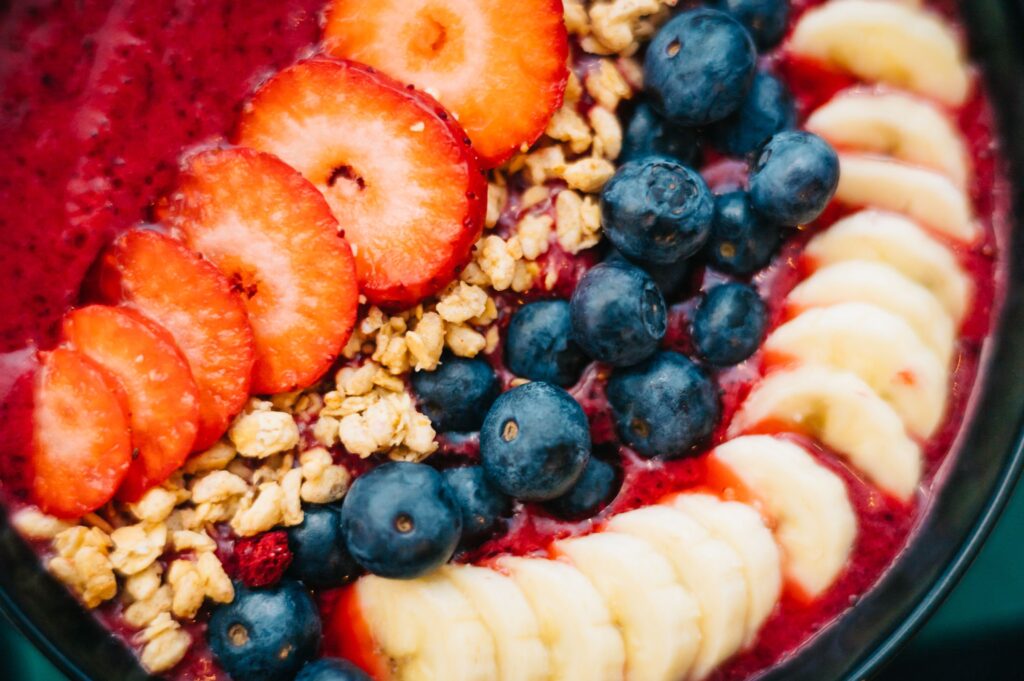
Drinking fresh citrus juice with meals, adding berries to breakfast, or enjoying kiwi after lunch can noticeably improve iron absorption.
At the same time, avoid drinking tea or coffee immediately after meals, as they may reduce iron absorption.
https://www.who.int/news-room/fact-sheets/detail/anaemia?utm_source=chatgpt.com
Other Nutrients That Help Fight Anemia
Iron is essential, but it isn’t the only nutrient involved in healthy blood production.
Vitamin B12, folate, copper, vitamin A, and protein also contribute to the formation of healthy red blood cells.
Eating a balanced diet that includes fruits, vegetables, whole grains, lean proteins, and healthy fats provides your body with everything it needs to maintain optimal blood health.
Conclusion
Choosing the best fruits for anemia is a simple yet powerful way to support healthy iron levels naturally.
Fruits such as oranges, kiwi, guava, strawberries, pomegranate, and dried apricots provide vitamin C, antioxidants, and other essential nutrients that help your body absorb iron more effectively.
While fruits alone cannot treat severe anemia, they are an important part of a balanced diet that promotes healthy red blood cell production and overall wellness.
For the best results, combine these fruits with iron-rich foods, maintain a nutritious diet, and consult a healthcare professional if you experience persistent symptoms of anemia.
Small daily dietary changes can make a significant difference in boosting your energy, improving your iron status, and supporting long-term health.
Frequently Asked Questions (FAQs)
1. Which fruit is best for anemia?
Guava, kiwi, oranges, strawberries, and pomegranate are among the best fruits because they are rich in vitamin C and support iron absorption.
2. Can fruits cure anemia?
No. Fruits help improve iron absorption and support overall nutrition, but treating anemia depends on its cause and may require iron supplements or medical treatment.
3. Which dried fruit contains the most iron?
Dried apricots and raisins are among the best dried fruits for increasing dietary iron intake.
4. Should I eat fruit before or after an iron-rich meal?
Eating vitamin C-rich fruits during or immediately after an iron-rich meal helps maximize iron absorption.
5. What drinks should I avoid if I have anemia?
Avoid drinking tea and coffee with meals because they contain compounds that can reduce iron absorption.