
Anemia is one of the most common nutritional deficiencies worldwide, affecting millions of people of all ages.
It occurs when your body lacks enough healthy red blood cells or hemoglobin to transport oxygen efficiently.
As a result, people with anemia often experience fatigue, weakness, dizziness, headaches, pale skin, and shortness of breath.
While iron supplements are commonly prescribed, eating the right foods—especially nutrient-rich vegetables—can play a major role in preventing and managing iron deficiency anemia naturally.
Vegetables are packed with essential nutrients such as iron, folate, vitamin C, and antioxidants that help support healthy red blood cell production.
Although plant-based iron (non-heme iron) is not absorbed as easily as the iron found in animal products, combining iron-rich vegetables with vitamin C-rich foods can significantly improve absorption.
In this guide, you’ll discover the best vegetables for anemia, their nutritional benefits, and the easiest ways to include them in your daily meals.
Why Vegetables Are Important for Anemia
Vegetables provide more than just iron.
Many are rich in nutrients that work together to support healthy blood production, including folate, vitamin C, vitamin A, magnesium, and antioxidants.
These nutrients help your body produce healthy red blood cells while improving the absorption and utilization of iron.
Although vegetables contain non-heme iron, eating them regularly alongside foods rich in vitamin C—such as oranges, strawberries, tomatoes, or bell peppers—can greatly increase the amount of iron your body absorbs.
This makes vegetables an essential part of a healthy diet for preventing and managing anemia.
1. Spinach
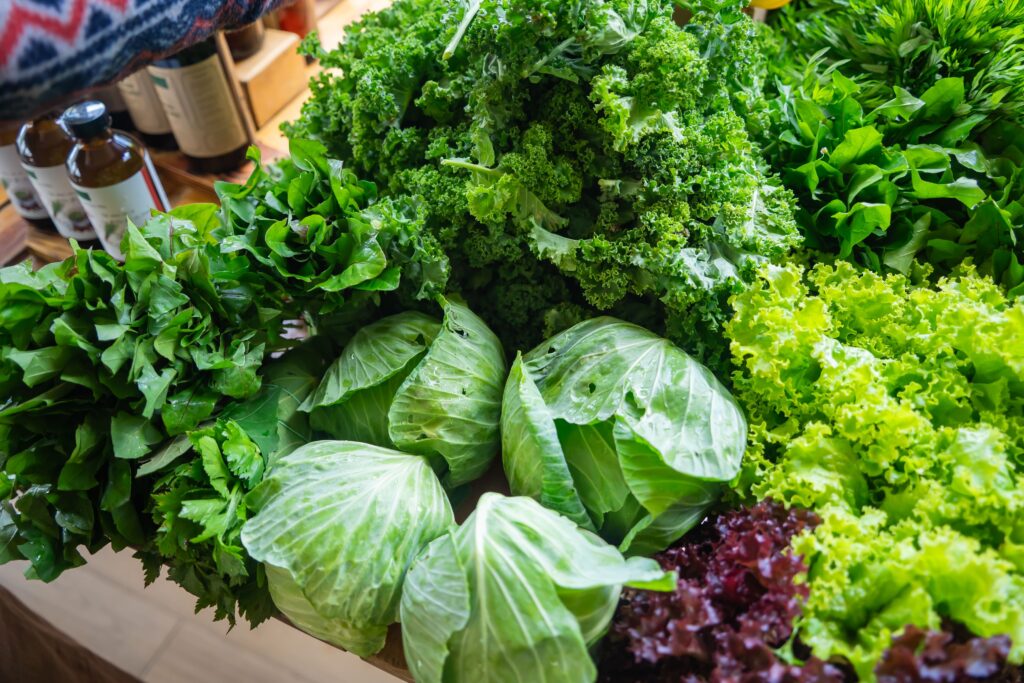
Spinach is widely recognized as one of the best vegetables for anemia because it contains iron, folate, vitamin C, and vitamin A.
These nutrients work together to support the production of healthy red blood cells while helping your body absorb iron more efficiently.
Spinach is also rich in antioxidants that protect cells from damage and promote overall health. Although spinach contains oxalates that can slightly reduce iron absorption, lightly cooking it helps lower oxalate levels and makes its nutrients more available.
Add spinach to soups, omelets, smoothies, pasta dishes, or salads for an easy nutritional boost.
2. Kale
Kale is another leafy green that offers an impressive combination of iron, vitamin C, folate, and vitamin K.
Unlike many vegetables, kale naturally contains a significant amount of vitamin C, which helps improve the absorption of its own iron.
This makes kale particularly beneficial for people trying to increase their iron intake naturally. Kale also provides fiber and antioxidants that support heart health and strengthen the immune system.
It can be enjoyed in salads, stir-fries, soups, or smoothies or baked into crispy kale chips.
3. Swiss Chard
Swiss chard is packed with essential nutrients that support healthy blood production, including iron, folate, magnesium, potassium, and vitamins A and C.
These nutrients help maintain healthy red blood cells while supporting energy production and immune function.
Swiss chard is low in calories yet highly nutritious, making it an excellent choice for people looking to improve their overall diet.
It tastes delicious when sautéed with garlic and olive oil or added to soups, grain bowls, and vegetable stir-fries.
4. Beetroot
Beetroot is often recommended for people with anemia because it contains iron, folate, vitamin C, and natural nitrates that support healthy circulation.
While beetroot is not the highest source of iron compared to leafy greens, its combination of nutrients helps support red blood cell production and improve oxygen delivery throughout the body.
Beetroot may also help increase stamina and reduce feelings of fatigue.
It can be roasted, steamed, grated into salads, blended into smoothies, or enjoyed as fresh beet juice.
5. Broccoli
Broccoli is one of the most valuable vegetables for people with anemia because it provides both iron and a generous amount of vitamin C.
Vitamin C plays a crucial role in enhancing the absorption of non-heme iron, allowing your body to make better use of the iron found in vegetables.
Broccoli also supplies folate, fiber, calcium, and antioxidants that contribute to better overall health.
Lightly steaming broccoli helps preserve most of its nutrients while making it tender and flavorful.
Pair it with lean meat, beans, or lentils for an even more iron-rich meal.
6. Brussels Sprouts
Brussels sprouts are nutrient-dense vegetables that contain iron, folate, vitamin C, and vitamin K.
Their high vitamin C content helps maximize iron absorption while supporting immune health and collagen production.
Brussels sprouts also provide fiber that promotes healthy digestion and helps maintain stable blood sugar levels.
Roasting them with olive oil and herbs creates a delicious side dish that pairs well with fish, chicken, or legumes.
7. Green Peas
Green peas are an excellent plant-based source of iron, protein, folate, and vitamin C.
The combination of iron and protein makes peas especially beneficial for vegetarians and vegans who need additional plant-based nutrients to support healthy red blood cell production. Peas are also rich in fiber, which promotes digestive health and helps keep you feeling full longer.
They can easily be added to soups, rice dishes, pasta, curries, or salads for extra nutrition.
8. Asparagus
Asparagus contains iron, folate, vitamin C, and several B vitamins that are essential for healthy blood formation.
Folate plays a particularly important role in producing new red blood cells and preventing certain types of anemia.
Asparagus is also rich in antioxidants that help reduce inflammation and support overall wellness.
Grilled, roasted, or steamed asparagus makes a nutritious addition to lunch or dinner and pairs perfectly with eggs, chicken, or fish.
https://ods.od.nih.gov/factsheets/Iron-Consumer
9. Collard Greens
Collard greens are among the most nutritious leafy vegetables available, providing iron, calcium, folate, vitamin A, and vitamin C.
Their rich nutrient profile supports hemoglobin production while strengthening bones and boosting immune function.
Cooking collard greens with garlic, onions, and a small amount of healthy oil enhances both flavor and nutrient absorption.
Including collard greens regularly in your diet may help improve overall iron intake naturally.
10. Cabbage
Cabbage may not contain as much iron as spinach or kale, but it remains a valuable vegetable for people with anemia because it supplies vitamin C, folate, fiber, and antioxidants.
Vitamin C significantly improves the body’s ability to absorb iron from other plant foods eaten during the same meal.
Cabbage is versatile, affordable, and available throughout the year, making it an easy vegetable to include in soups, salads, stir-fries, or fermented dishes like sauerkraut.
https://www.who.int/news-room/fact-sheets/detail/anaemia?utm_source=chatgpt.com
11. Sweet Potatoes
Sweet potatoes are an excellent vegetable for people with anemia because they provide iron, vitamin A, vitamin C, and fiber.
Vitamin A is particularly important because it helps your body release stored iron and supports the production of healthy red blood cells.
Their natural sweetness and high antioxidant content also make them a nutritious choice for maintaining overall health.
Bake, roast, steam, or mash sweet potatoes and pair them with beans, lentils, or grilled chicken for a balanced meal that supports healthy iron levels.
https://www.who.int/news-room/fact-sheets/detail/anaemia
12. Turnip Greens
Turnip greens are often overlooked, but they are among the most nutrient-rich leafy vegetables for preventing anemia.
They contain iron, folate, calcium, and a generous amount of vitamin C, making them an excellent choice for improving iron absorption.
These greens are also rich in antioxidants that help protect your cells from oxidative stress. Lightly sautéing turnip greens with olive oil and garlic creates a delicious side dish while preserving many of their nutrients.
13. Mustard Greens
Mustard greens are packed with iron, folate, vitamins A, C, and K, all of which contribute to healthy blood formation and immune function.
Their peppery flavor makes them a versatile addition to soups, stir-fries, and salads.
The vitamin C naturally present in mustard greens helps your body absorb the non-heme iron they contain, making them one of the best vegetables to include in an anemia-friendly diet.
14. Bok Choy
Bok choy, also known as Chinese cabbage, provides iron, calcium, vitamin C, and folate.
It is low in calories but highly nutritious, making it ideal for people looking to improve their iron intake without adding excess calories.
Bok choy is easy to cook and works well in soups, stir-fries, and noodle dishes.
Pairing it with tofu, lean meat, or legumes creates a wholesome meal that supports healthy hemoglobin levels.
15. Green Beans
Green beans are a nutritious vegetable that contributes small but valuable amounts of iron, folate, vitamin C, and fiber.
Although they are not as iron-rich as leafy greens, they can still help increase your overall nutrient intake when eaten regularly.
Green beans are versatile and can be steamed, roasted, stir-fried, or added to casseroles and salads.
Combining them with vitamin C-rich vegetables further enhances iron absorption.
https://www.unicef.org/nutrition
How to Increase Iron Absorption from Vegetables
Eating iron-rich vegetables is only part of the solution.
The way you combine foods can significantly affect how much iron your body absorbs.
Since vegetables contain non-heme iron, pairing them with foods rich in vitamin C can dramatically improve absorption.
Excellent sources of vitamin C include oranges, lemons, strawberries, kiwi, tomatoes, broccoli, and bell peppers.
Adding one of these foods to your meal helps your body utilize more of the iron present in vegetables.
Cooking methods also matter. Light steaming or sautéing leafy greens can improve nutrient availability while preserving valuable vitamins.
Avoid overcooking vegetables, as excessive heat may reduce vitamin C levels.
Eating a varied diet that includes iron-rich vegetables every day is one of the best long-term strategies for maintaining healthy iron stores.
Foods to Pair with Iron-Rich Vegetables
Pairing vegetables with complementary foods creates meals that are even more effective for preventing anemia.
Legumes such as lentils, chickpeas, black beans, and kidney beans provide additional iron and plant-based protein.
Lean meats, poultry, and seafood contain heme iron, which is more easily absorbed and can also enhance the absorption of non-heme iron from vegetables.
Whole grains, nuts, seeds, tofu, and eggs are also nutritious additions to an iron-supporting diet.
Finishing your meal with fresh fruit rich in vitamin C offers an extra boost to iron absorption.
Foods to Avoid During Iron-Rich Meals
Some foods and beverages can interfere with iron absorption when consumed at the same time as iron-rich vegetables.
Tea and coffee contain compounds called tannins that reduce iron absorption, while excessive calcium from dairy products or supplements may compete with iron uptake.
Foods high in phytates, such as certain whole grains and bran products, can also decrease iron absorption if eaten in large amounts during iron-rich meals.
Instead of eliminating these foods completely, try consuming them at least one to two hours before or after your iron-rich meals to maximize the benefits of your diet.
Daily Tips for Managing Anemia Naturally
Building healthy iron levels takes consistency rather than quick fixes.
Include at least one iron-rich vegetable in your meals every day and combine it with a source of vitamin C whenever possible.
Eat a variety of leafy greens instead of relying on just one vegetable to ensure you receive a broad range of nutrients.
Stay hydrated, eat enough protein, and maintain a balanced diet that includes fruits, vegetables, whole grains, and healthy fats.
While nutritious foods can help support healthy iron levels, people with severe or persistent anemia should seek medical advice for proper diagnosis and treatment.
Frequently Asked Questions (FAQs)
1. What is the best vegetable for anemia?
Spinach is often considered one of the best vegetables for anemia because it contains iron, folate, vitamin A, and other nutrients that support healthy red blood cell production.
However, vegetables such as kale, broccoli, Swiss chard, and collard greens are also excellent choices.
Eating a variety of iron-rich vegetables provides a wider range of nutrients that help improve overall health.
2. Can vegetables alone cure anemia?
Vegetables can help improve iron intake and support healthy blood production, but they may not cure anemia on their own.
The effectiveness depends on the type and severity of anemia.
Some people may need iron supplements or other medical treatments prescribed by a healthcare professional.
A balanced diet rich in vegetables, fruits, protein, and whole grains works best alongside medical advice.
3. Which vegetables contain the most iron?
Some of the vegetables highest in iron include spinach, Swiss chard, kale, collard greens, turnip greens, mustard greens, beet greens, broccoli, asparagus, and green peas.
Including several of these vegetables in your weekly meal plan helps increase your overall iron intake naturally.
Halkan waxaa ku yaal nooc ka wanaagsan oo ka duwan kii hore:
4. How to Maximize Iron Absorption from Vegetables
Your body absorbs non-heme iron from vegetables more effectively when you pair them with foods rich in vitamin C, such as oranges, strawberries, kiwi, tomatoes, or bell peppers.
Cooking leafy greens lightly can also improve iron availability by reducing compounds that interfere with absorption.
For the best results, avoid drinking tea or coffee with your meals, as they may decrease the amount of iron your body absorbs.
This simple combination can help you get the most nutritional value from iron-rich vegetables.
5. Are cooked vegetables better than raw vegetables for anemia?
In many cases, lightly cooked vegetables are easier for the body to digest and may improve the availability of certain nutrients.
Cooking leafy greens like spinach reduces oxalates, allowing your body to absorb more iron. However, because vitamin C can decrease with prolonged cooking, steaming or lightly sautéing vegetables is generally the best option.
6. How often should I eat iron-rich vegetables?
For most people, eating iron-rich vegetables every day is a healthy habit. Including at least one or two servings of leafy greens or other iron-rich vegetables in your daily meals can help maintain healthy iron levels over time, especially when combined with vitamin C-rich foods.
Conclusion
Adding the best vegetables for anemia to your daily diet is a simple and natural way to support healthy iron levels and improve overall well-being.
Vegetables such as spinach, kale, Swiss chard, broccoli, collard greens, beetroot, asparagus, and Brussels sprouts provide essential nutrients like iron, folate, vitamin C, and vitamin A that work together to promote healthy red blood cell production.
Although plant-based iron is not absorbed as efficiently as animal-based iron, combining these vegetables with vitamin C-rich foods can significantly increase absorption and maximize their health benefits.
A balanced diet that includes a variety of iron-rich vegetables, fruits, legumes, whole grains, and lean protein can help reduce the risk of iron deficiency anemia while supporting long-term health.
If you experience persistent fatigue, dizziness, or other symptoms of anemia, consult a qualified healthcare professional for proper diagnosis and treatment.
By making smart food choices every day, you can naturally support healthy hemoglobin levels, improve energy, and maintain a healthier lifestyle.