
Magnesium Deficiency: Symptoms, Causes, Treatment, and Prevention
Magnesium deficiency is a surprisingly common health issue that affects millions of people worldwide. Although magnesium is essential for hundreds of functions in the body, many people fail to get enough of this vital mineral through their daily diet.
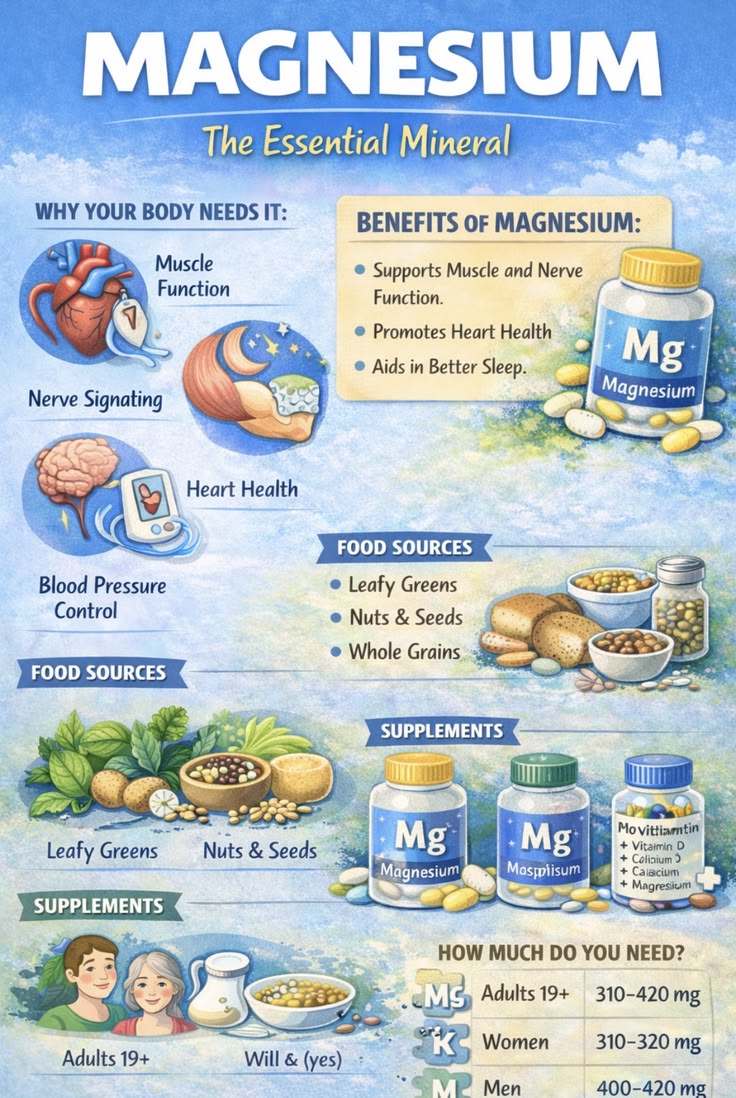
Magnesium plays a key role in muscle function, nerve signaling, heart health, bone strength, and energy production.
When magnesium levels become too low, the body can experience a wide range of symptoms, from mild fatigue and muscle cramps to serious heart complications. Unfortunately, many individuals do not recognize the warning signs until the deficiency becomes severe.
Understanding magnesium deficiency can help you take steps to protect your health, improve your energy levels, and prevent long-term complications.
What Is Magnesium Deficiency?
Understanding the Importance of Magnesium
Magnesium deficiency occurs when the body does not have enough magnesium to support normal biological functions.
Magnesium is involved in more than 300 enzymatic reactions and helps regulate blood pressure, blood sugar levels, muscle contractions, and nerve communication.
Approximately 60% of the body’s magnesium is stored in the bones, while the remainder is found in muscles, tissues, and body fluids.
Because magnesium is essential for so many bodily processes, even a small deficiency can have noticeable effects on health.
7 Alarming Magnesium Deficiency Symptoms
1. Persistent Fatigue and Weakness
One of the earliest signs of magnesium deficiency is constant tiredness.
Magnesium helps convert food into energy, so low levels can leave you feeling exhausted and weak even after getting enough sleep.
Why It Happens
Without adequate magnesium, the body’s energy production slows down, leading to reduced stamina and increased fatigue.
2. Muscle Cramps and Spasms
Muscle cramps, twitches, and spasms are among the most common symptoms of magnesium deficiency.
Common Areas Affected
- Calves
- Feet
- Hands
- Back muscles
Magnesium helps regulate muscle contractions.
When levels drop, muscles may contract involuntarily, causing discomfort and pain.
3. Irregular Heartbeat
The heart relies on magnesium to maintain a healthy rhythm.
Low magnesium levels may contribute to heart palpitations and irregular heartbeats.
Potential Risks
Severe magnesium deficiency may increase the risk of cardiovascular complications if left untreated.
4. Numbness and Tingling
Some people experience tingling sensations in their hands, feet, or face.
How Magnesium Affects Nerves
Magnesium supports proper nerve function.
Deficiency can disrupt nerve signals and lead to unusual sensations.
5. Anxiety and Mood Changes
Low magnesium levels may influence mental health.
Emotional Symptoms
- Anxiety
- Irritability
- Restlessness
- Difficulty concentrating
Research suggests magnesium helps regulate neurotransmitters that affect mood and stress responses.
6. Poor Sleep Quality
People with magnesium deficiency often struggle with sleep problems.
Sleep-Related Symptoms
- Insomnia
- Frequent waking during the night
- Difficulty falling asleep
Magnesium supports relaxation and helps regulate sleep hormones.
7. Frequent Headaches and Migraines
Recurring headaches and migraines may sometimes be linked to insufficient magnesium intake.
Why It Matters
Magnesium helps regulate blood vessel function and nerve transmission, both of which can influence headache frequency.
Major Causes of Magnesium Deficiency
Poor Diet
Modern diets often contain large amounts of processed foods that provide little magnesium.
Foods That Contribute to Deficiency
- Fast food
- Sugary beverages
- White bread
- Refined grains
Regular consumption of these foods can reduce overall magnesium intake.
Digestive Disorders
Certain digestive conditions interfere with magnesium absorption.
Common Conditions
- Crohn’s disease
- Celiac disease
- Chronic diarrhea
- Inflammatory bowel disease
People with these disorders may struggle to maintain healthy magnesium levels.
Type 2 Diabetes
Uncontrolled diabetes can increase magnesium loss through urine.
Increased Risk
Higher blood sugar levels often lead to greater magnesium excretion, making deficiency more likely.
Certain Medications
Several medications can lower magnesium levels over time.
Examples
- Diuretics
- Proton pump inhibitors
- Some antibiotics
- Chemotherapy medications
Long-term use should be monitored by a healthcare provider.
Excessive Alcohol Consumption
Alcohol can reduce magnesium absorption and increase urinary magnesium loss.
Long-Term Effects
Chronic alcohol use is one of the most common causes of magnesium deficiency in adults.

Powerful Health Risks of Untreated Magnesium Deficiency
Bone Health Problems
Magnesium helps support strong bones.
Possible Consequences
- Reduced bone density
- Increased fracture risk
- Higher likelihood of osteoporosis
High Blood Pressure
Low magnesium levels may contribute to elevated blood pressure and reduced cardiovascular health.
Increased Risk of Type 2 Diabetes
Magnesium plays a role in insulin sensitivity and blood sugar control.
Impact
Deficiency may make it harder for the body to regulate glucose effectively.
Heart Disease
Long-term magnesium deficiency may negatively affect heart function and increase cardiovascular risk.
Best Magnesium-Rich Foods
Natural Sources of Magnesium
The best way to prevent magnesium deficiency is through a nutrient-rich diet.
Top Magnesium Foods
Leafy Green Vegetables
- Spinach
- Kale
- Swiss chard
Nuts and Seeds
- Pumpkin seeds
- Almonds
- Cashews
- Sunflower seeds
Legumes
- Black beans
- Lentils
- Chickpeas
Whole Grains
- Brown rice
- Oats
- Quinoa
Fruits
- Bananas
- Avocados
Other Sources
- Dark chocolate
- Tofu
- Fatty fish
Adding these foods to your meals regularly can help maintain healthy magnesium levels.

How Magnesium Deficiency Is Diagnosed
Medical Evaluation
Doctors may assess symptoms, dietary habits, and medical history.
Diagnostic Tests
- Blood tests
- Electrolyte panels
- Kidney function tests
Since blood magnesium represents only a small portion of total body magnesium, diagnosis may require a comprehensive evaluation.
Effective Treatment Options
Dietary Changes
Increasing magnesium-rich foods is often the first recommendation.
Magnesium Supplements
Common forms include:
- Magnesium citrate
- Magnesium glycinate
- Magnesium chloride
Always consult a healthcare professional before starting supplements.
Managing Underlying Conditions
Treating digestive disorders, diabetes, or medication-related causes can help prevent recurring deficiency.
How to Prevent Magnesium Deficiency
Daily Prevention Tips
Eat a Balanced Diet
Focus on whole foods rich in magnesium.
Limit Processed Foods
Processed foods often contain little magnesium.
Stay Hydrated
Proper hydration supports mineral balance.
Exercise Regularly
Physical activity supports overall metabolic health.
Monitor Chronic Conditions
Managing conditions such as diabetes can reduce magnesium loss.
Magnesium deficiency is a serious yet preventable condition that can affect energy levels, muscle function, heart health, sleep quality, and overall well-being.
While symptoms such as fatigue, muscle cramps, headaches, and anxiety may seem harmless at first, they can indicate a deeper nutritional imbalance.
The good news is that magnesium deficiency can often be corrected through a healthy diet, lifestyle improvements, and appropriate medical care.
By recognizing the warning signs early and consuming magnesium-rich foods regularly, you can support long-term health and reduce the risk of complications.
FAQs
1. What is the most common symptom of magnesium deficiency?
Fatigue, muscle cramps, and weakness are among the most common symptoms reported by people with magnesium deficiency.
2. Which food contains the most magnesium?
Pumpkin seeds are one of the richest natural sources of magnesium, followed by almonds, spinach, and black beans.
3. Can magnesium deficiency cause anxiety?
Yes. Low magnesium levels may affect the nervous system and contribute to anxiety, irritability, and mood changes.
- NIH Magnesium Fact Sheet: https://ods.od.nih.gov/factsheets/Magnesium-HealthProfessional/
- MedlinePlus Magnesium Information: https://medlineplus.gov/magnesium.html
- Harvard Nutrition Source: https://nutritionsource.hsph.harvard.edu/magnesium/