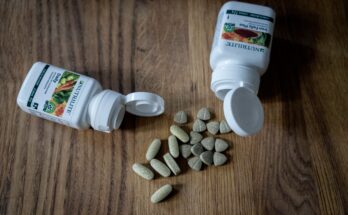

Anemia is one of the most common blood disorders worldwide, affecting millions of people of all ages.
It develops when your body does not have enough healthy red blood cells or hemoglobin to deliver adequate oxygen to tissues and organs.
As a result, everyday activities can become more difficult, leaving you feeling tired, weak, dizzy, or short of breath.
If you have recently been diagnosed, one of the first questions you may ask is, how long does it take to recover from anemia? The answer depends on several factors, including the type of anemia, its severity, the underlying cause, your overall health, and how well you follow your treatment plan.
Some people begin to notice improvements within a few weeks, while others may require several months to fully restore healthy iron stores and normal hemoglobin levels.
Recovery is not always immediate because your body needs time to produce new red blood cells and replenish essential nutrients.
This comprehensive guide explains the typical recovery timeline, factors that influence healing, treatment options, dietary recommendations, and practical tips to help you recover safely and effectively.
Table of Contents
What Is Anemia?
How Long Does It Take to Recover from Anemia?
Recovery Timeline by Type of Anemia
Factors That Affect Recovery Time
Signs Your Body Is Recovering
How to Speed Up Recovery
Foods That Support Anemia Recovery
When Recovery Takes Longer Than Expected
Frequently Asked Questions
Conclusion
What Is Anemia?
Anemia is a condition in which your blood contains fewer healthy red blood cells than normal or lacks enough hemoglobin to transport oxygen efficiently throughout the body.
Hemoglobin is an iron-rich protein inside red blood cells that carries oxygen from your lungs to the rest of your body.
Without enough hemoglobin, your organs and muscles receive less oxygen, leading to fatigue and reduced physical performance.
There are several types of anemia, each with different causes and treatment approaches. Iron deficiency anemia is the most common form and usually develops because of inadequate iron intake, blood loss, pregnancy, or poor iron absorption.
Other common forms include vitamin B12 deficiency anemia, folate deficiency anemia, anemia caused by chronic diseases, and inherited blood disorders.
Although anemia is common, it should never be ignored.
Early diagnosis and appropriate treatment can help prevent complications and significantly shorten recovery time.
How Long Does Anemia Recovery Usually Take ?
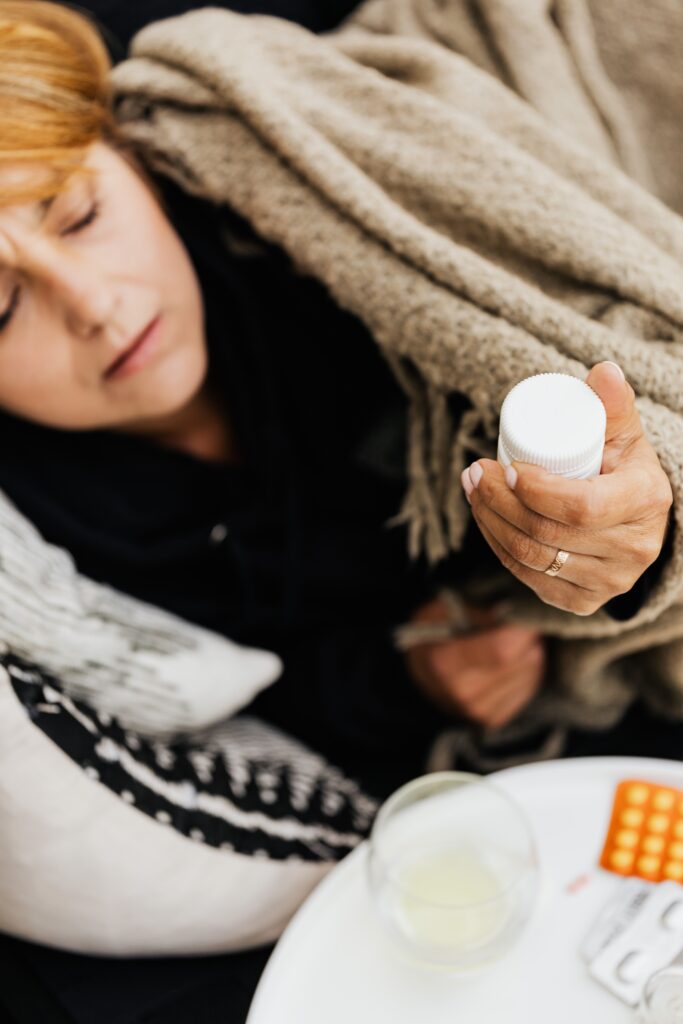
The recovery time varies depending on the specific cause of anemia and how quickly treatment begins.
For mild iron deficiency anemia, many people start feeling better within 2 to 4 weeks after beginning iron supplements and eating more iron-rich foods.
Energy levels often improve first, even though iron stores are still being rebuilt.
For moderate anemia, hemoglobin levels usually increase gradually over one to two months. However, healthcare providers often recommend continuing iron supplements for an additional three months or longer after blood levels return to normal.
This helps replenish the body’s stored iron and reduces the risk of recurrence.
For severe anemia, recovery may take three to six months or longer. In some situations, hospitalization, intravenous iron therapy, or blood transfusions may be necessary before long-term recovery can begin.
People with anemia caused by vitamin B12 or folate deficiency often notice symptom improvement within several weeks after treatment starts, although nerve-related symptoms caused by long-term vitamin B12 deficiency may require several months to improve.
The most important point is that symptom improvement does not always mean complete recovery.
Even if you feel stronger, your body may still be rebuilding healthy red blood cells and restoring nutrient reserves.
Recovery Timeline by Type of Anemia
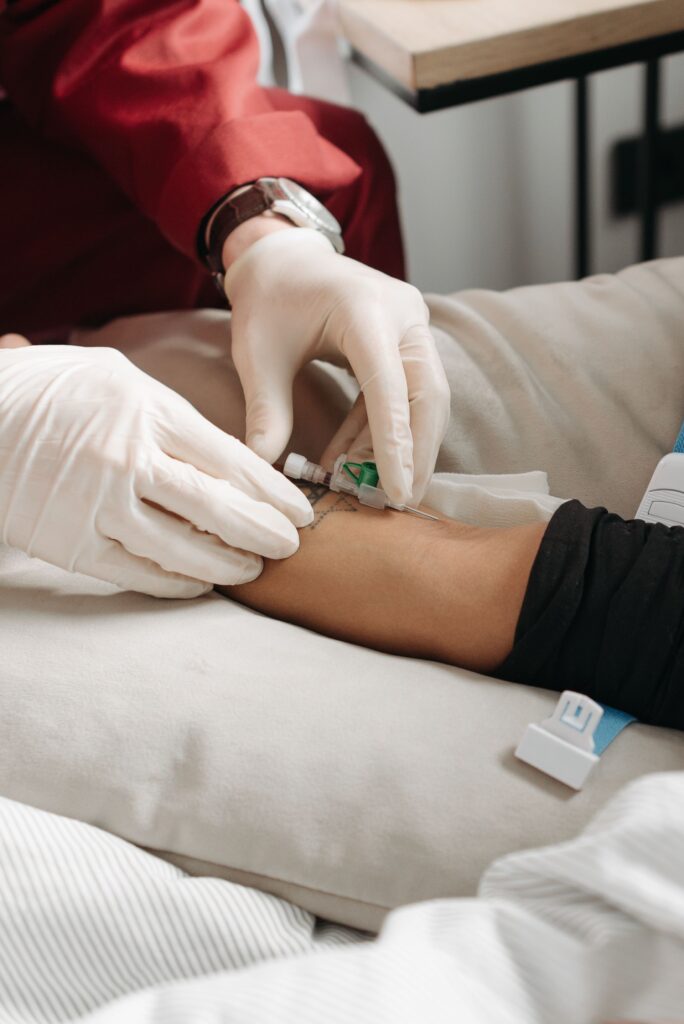
Iron Deficiency Anemia
Iron deficiency anemia generally responds well to treatment when diagnosed early.
Most people experience noticeable improvements within a few weeks, but complete recovery often requires several months.
Iron supplements, balanced nutrition, and treating the underlying cause of iron loss are all essential for long-term success.
Vitamin B12 Deficiency Anemia
Vitamin B12 deficiency anemia may improve quickly once treatment begins, especially if the deficiency is mild.
Individuals receiving vitamin B12 injections or high-dose supplements often notice increased energy within a few weeks.
However, neurological symptoms such as numbness or tingling may take much longer to resolve, particularly if the deficiency has been present for an extended period.
Folate Deficiency Anemia
People with folate deficiency anemia often recover relatively quickly after increasing their folate intake through supplements and healthy foods.
Hemoglobin production usually improves within several weeks, provided the underlying cause has also been addressed.
Anemia of Chronic Disease
Recovery from anemia related to chronic illnesses depends largely on managing the underlying condition.
Treating inflammation, kidney disease, autoimmune disorders, or infections often plays a greater role in recovery than iron supplementation alone.
Factors That Affect Recovery Time
Recovering from anemia is not the same for everyone.
While some people regain normal energy levels within a few weeks, others may need several months before they fully recover.
The length of recovery depends on several important factors, including the cause of anemia, the severity of the condition, and how consistently treatment is followed.
Understanding these factors can help you set realistic expectations and stay committed to your recovery plan.
The Type of Anemia
The type of anemia you have is one of the biggest factors that determines recovery time. Iron deficiency anemia usually responds well to iron supplements and dietary improvements, especially when diagnosed early.
In contrast, anemia caused by chronic diseases, kidney disorders, or inherited conditions often takes longer because treating the underlying health problem is just as important as correcting the anemia itself.
Severity of the Condition
People with mild anemia often recover more quickly than those with severe anemia.
A slight decrease in hemoglobin may improve within a few weeks, while severe anemia can require several months of treatment.
In some cases, severe anemia may require intravenous iron therapy or blood transfusions before long-term recovery begins.
Following the Treatment Plan
Taking medications or supplements exactly as prescribed significantly improves recovery. Missing doses, stopping treatment too early, or failing to attend follow-up appointments can delay healing.
Many healthcare providers recommend continuing iron supplements for several months after hemoglobin levels return to normal because your body’s iron stores still need to be replenished.
Diet and Nutrient Intake
A balanced diet rich in iron, vitamin B12, folate, vitamin C, and protein helps your body produce healthy red blood cells more efficiently.
Eating nutrient-dense foods while limiting substances that reduce iron absorption, such as excessive tea or coffee with meals, may speed up recovery.
Overall Health
People with chronic illnesses, digestive disorders, pregnancy, or ongoing blood loss may experience a slower recovery.
Managing these underlying conditions is essential for preventing anemia from returning after treatment.
Signs Your Body Is Recovering from Anemia
Many people wonder whether their treatment is working before their next blood test.
Fortunately, there are several signs that your body is beginning to recover.
Increased Energy Levels
One of the earliest improvements is having more energy throughout the day.
Activities that once felt exhausting may gradually become easier as oxygen delivery improves.
Reduced Fatigue
Persistent tiredness is one of the most common symptoms of anemia. As new healthy red blood cells are produced, many people notice they no longer feel exhausted after simple daily activities.
Improved Concentration
Because the brain receives more oxygen, concentration, memory, and mental clarity often improve during recovery.
Many people report feeling more alert and productive within a few weeks of starting treatment.
Healthier Skin Color
Pale skin, pale gums, and pale nail beds often improve as hemoglobin levels rise.
A healthier complexion usually develops gradually rather than overnight.
Less Shortness of Breath
As oxygen transport improves, climbing stairs, walking longer distances, and exercising become easier.
Many people notice they can perform physical activities with less breathlessness than before treatment.
Better Heart Function
Some individuals with anemia experience a rapid heartbeat because the heart works harder to deliver oxygen.
As anemia improves, the heart rate often returns to a healthier rhythm, reducing strain on the cardiovascular system.
Although these improvements are encouraging, blood tests remain the most reliable way to confirm recovery.
Never stop treatment simply because you feel better unless your healthcare provider advises you to do so.
How to Recover from Anemia Faster
While recovery cannot be rushed overnight, healthy habits can support your body’s ability to produce red blood cells more efficiently.
Take Iron Supplements Correctly
If your healthcare provider prescribes iron supplements, take them exactly as directed. Many people absorb iron better when taking it on an empty stomach or with a source of vitamin C, such as orange juice.
However, if stomach upset occurs, taking iron with food may improve tolerance.
Eat Iron-Rich Foods Every Day
Food plays a major role in rebuilding healthy blood cells. Include both heme iron sources, which are absorbed more efficiently, and non-heme iron sources in your daily meals.
Examples include:
- Lean beef
- Chicken
- Turkey
- Fish
- Liver (if appropriate)
- Lentils
- Beans
- Chickpeas
- Spinach
- Kale
- Fortified breakfast cereals
- Pumpkin seeds
Increase Vitamin C Intake
Vitamin C improves the absorption of non-heme iron from plant-based foods.
Pairing iron-rich meals with fruits and vegetables such as oranges, strawberries, kiwi, tomatoes, bell peppers, or broccoli can help your body absorb more iron.
Avoid Foods That Reduce Iron Absorption
Some foods and drinks interfere with iron absorption when consumed with meals.
Try to avoid drinking tea, coffee, or large amounts of calcium-rich beverages at the same time as taking iron supplements or eating iron-rich foods.
Get Enough Rest
Recovery requires energy.
Allowing your body enough time to rest while gradually returning to normal activities can help support healthy red blood cell production.
Attend Follow-Up Appointments
Regular blood tests help monitor hemoglobin levels and ensure treatment is working. Follow-up appointments also allow healthcare providers to adjust medications if necessary.
Best Foods That Support Anemia Recovery
Nutrition is one of the most effective ways to support anemia recovery.
Eating a wide variety of nutrient-rich foods helps your body replace lost red blood cells while restoring iron and vitamin stores.
Excellent choices include:
- Lean red meat
- Poultry
- Fish and seafood
- Eggs
- Lentils
- Kidney beans
- Black beans
- Chickpeas
- Spinach
- Swiss chard
- Kale
- Broccoli
- Pumpkin seeds
- Sesame seeds
- Tofu
- Quinoa
- Fortified cereals
- Citrus fruits
- Berries
- Bell peppers
Eating a colorful and balanced diet every day provides your body with the nutrients needed to support long-term recovery and reduce the risk of future iron deficiency.
When Recovery Takes Longer Than Expected
Sometimes recovery is slower than anticipated despite taking supplements and improving your diet.
Persistent anemia may indicate an untreated underlying condition that requires further medical evaluation.
Possible reasons for delayed recovery include ongoing blood loss, poor absorption of nutrients due to digestive disorders, chronic kidney disease, inflammatory conditions, medication side effects, or incorrect diagnosis.
In these situations, additional laboratory tests or specialist care may be necessary.
Contact your healthcare provider if your symptoms worsen, fail to improve after several weeks of treatment, or if you experience chest pain, severe shortness of breath, fainting, or unusual bleeding.
Early medical attention can help identify the cause and prevent complication
How quickly can you recover from anemia?
Recovery time depends on the type and severity of anemia.
Many people with mild iron deficiency anemia begin feeling better within 2 to 4 weeks after starting treatment. However, restoring normal hemoglobin levels and rebuilding iron stores usually takes 2 to 3 months, and healthcare providers often recommend continuing iron supplements for another 3 months to prevent anemia from returning.
Can anemia go away on its own?
In most situations, anemia will not improve unless the condition causing it is properly treated. Iron deficiency anemia often requires iron supplements, dietary changes, or treatment for blood loss. Vitamin B12 or folate deficiency anemia also needs targeted treatment.
Ignoring anemia may lead to worsening symptoms and additional health complications.
What foods help you recover from anemia faster?
Foods rich in iron, vitamin C, vitamin B12, folate, and protein can support healthy red blood cell production.
Excellent choices include lean red meat, poultry, fish, beans, lentils, spinach, kale, fortified cereals, eggs, citrus fruits, strawberries, broccoli, and bell peppers. Combining iron-rich foods with vitamin C-rich foods improves iron absorption.
How do I know if my anemia is improving?
Common signs of recovery include increased energy, reduced fatigue, improved concentration, healthier skin color, less dizziness, and improved exercise tolerance.
Blood tests remain the most accurate way to confirm that hemoglobin levels and iron stores are returning to normal.
Can severe anemia take longer to recover?
Yes. Severe anemia often requires several months of treatment and, in some cases, hospitalization, intravenous iron therapy, or blood transfusions.
Recovery depends on how quickly the underlying cause is identified and treated.
When should I see a healthcare provider?
Seek medical advice if your symptoms persist despite treatment, become worse, or if you experience severe shortness of breath, chest pain, fainting, rapid heartbeat, or unusual bleeding. Prompt evaluation can help prevent serious complications.
Anemia Recovery Timeline at a Glance
The table below provides a general estimate of how long recovery may take based on the type and severity of anemia.
Individual recovery times can vary depending on overall health, treatment, and the underlying cause.
| Type of Anemia | When Symptoms May Improve | Estimated Full Recovery |
| Mild Iron Deficiency Anemia | 2–4 weeks | 2–3 months |
| Moderate Iron Deficiency Anemia | 3–6 weeks | 3–4 months |
| Severe Iron Deficiency Anemia | 4–8 weeks | 3–6 months or longer |
| Vitamin B12 Deficiency Anemia | 2–6 weeks | 2–6 months |
| Folate Deficiency Anemia | 2–4 weeks | 1–3 months |
| Anemia of Chronic Disease | Depends on treatment | Several months or longer |
Although symptoms often improve before blood test results return to normal, it is important to continue treatment as recommended by your healthcare provider to fully restore healthy red blood cells and iron stores.
Stages of Recovery from Anemia
Understanding the stages of recovery can help you know what to expect during treatment.
Stage 1: The First Two Weeks
During the first couple of weeks, your body begins responding to treatment.
New red blood cells start forming, although many people still experience fatigue and weakness. Consistently taking prescribed supplements and eating iron-rich foods is especially important during this stage.
Stage 2: Weeks Three to Six
Most people begin noticing increased energy, improved concentration, and less dizziness. Hemoglobin levels usually begin rising steadily, allowing more oxygen to reach the body’s tissues.
Stage 3: Two to Three Months
For many individuals, hemoglobin levels return to the normal range during this period.
Daily activities become easier, and symptoms continue improving. However, iron stores may still need additional time to recover.
Stage 4: Complete Recovery
Even after blood counts normalize, healthcare providers often recommend continuing treatment for several more months.
This helps rebuild iron reserves and lowers the risk of anemia returning.
Common Mistakes That Slow Anemia Recovery
Certain habits can delay recovery even when you are receiving treatment.
Stopping Iron Supplements Too Early
Many people stop taking iron tablets once they feel better. However, symptoms often improve before iron stores are fully restored. Ending treatment early increases the chance of anemia returning.
Skipping Follow-Up Blood Tests
Blood tests help confirm whether treatment is working. Without follow-up testing, it is difficult to know if hemoglobin and iron levels have fully recovered.
Drinking Tea or Coffee with Meals
Tea and coffee may reduce the amount of iron your body absorbs because they contain absorption-inhibiting compounds.
Try drinking them at least one to two hours before or after iron-rich meals or supplements.
Ignoring the Underlying Cause
Treating anemia without addressing the reason it developed—such as heavy menstrual bleeding, stomach ulcers, or digestive disorders—can lead to recurring anemia.
Eating an Unbalanced Diet
Iron supplements alone may not provide all the nutrients your body needs.
A balanced diet containing iron, vitamin C, vitamin B12, folate, and protein supports healthier and faster recovery.
Foods to Avoid During Anemia Recovery
While no food directly causes anemia, some foods and beverages can reduce iron absorption if consumed at the wrong time.
These include:
- Tea
- Coffee
- Large amounts of milk with iron supplements
- Calcium supplements taken at the same time as iron
- Highly processed foods with little nutritional value
- Excessive alcohol consumption
You do not need to eliminate these foods completely. Instead, consume them at different times of the day from your iron supplements or iron-rich meals.
Recovering from Anemia During Pregnancy
Pregnancy increases the body’s demand for iron because more blood is needed to support both the mother and the developing baby.
As a result, iron deficiency anemia is common during pregnancy.
Most pregnant women recover successfully with prenatal vitamins, iron supplements, and a nutritious diet.
However, recovery should always be monitored by a healthcare provider because untreated anemia during pregnancy may increase the risk of premature birth, low birth weight, and maternal fatigue.
Pregnant women should never begin or stop iron supplements without medical guidance.
How Long Does It Take Children to Recover from Anemia?
Children generally recover well when anemia is diagnosed early and treated appropriately. Mild iron deficiency anemia often begins improving within several weeks, while complete recovery usually takes two to three months.
Parents should encourage iron-rich foods, ensure children take supplements as prescribed, and attend follow-up appointments to monitor progress.
Because anemia can affect growth, learning, and development, early treatment is especially important.
Conclusion
Recovering from anemia is a gradual process that requires patience, proper treatment, and consistent self-care.
Although many people notice improved energy within a few weeks, complete recovery often takes several months because the body needs time to rebuild healthy red blood cells and restore nutrient stores.
The exact recovery timeline depends on the type of anemia, its severity, your overall health, and how well you follow your treatment plan.
Maintaining a balanced diet, taking prescribed supplements correctly, attending follow-up appointments, and addressing the underlying cause of anemia are all essential steps toward a successful recovery.
Equally important is avoiding the temptation to stop treatment as soon as you feel better, since your iron stores may still be low even after symptoms improve.
If your recovery seems slower than expected or your symptoms continue despite treatment, consult a healthcare provider for further evaluation. Early diagnosis, regular monitoring, and healthy lifestyle choices can help restore your energy, improve your quality of life, and reduce the risk of anemia returning in the future.
Additional Resources
For trusted, evidence-based information about anemia, iron deficiency, and healthy nutrition, explore these resources:
Mayo Clinic – Anemia: https://www.mayoclinic.org
World Health Organization (WHO): https://www.who.int
MedlinePlus – Anemia: https://medlineplus.gov/anemia.html