Iron is an essential mineral that helps your body produce healthy red blood cells and transport oxygen to every organ and tissue.
However, consuming iron-rich foods alone is not always enough, as the body absorbs only a portion of the iron from the foods you eat.
The good news is that certain foods and nutrients can significantly improve iron absorption, making it easier for your body to utilize this vital mineral.
Understanding which foods enhance iron uptake can help prevent iron deficiency, boost energy levels, and support overall health.
Choosing the right food combinations is one of the most effective ways to maximize iron absorption naturally.
Nutrients such as vitamin C can dramatically increase the absorption of non-heme iron found in plant-based foods, while other dietary components may either support or hinder this process.
By incorporating iron-enhancing foods into your daily meals and practicing smart meal planning, you can improve your body’s iron stores, reduce the risk of anemia, and promote long-term wellness through balanced nutrition.
Vitamin C-Rich Foods
Vitamin C is one of the most effective nutrients for increasing the absorption of non-heme iron, the form of iron found in plant-based foods such as beans, lentils, spinach, and fortified cereals. Pairing iron-rich foods with vitamin C-rich fruits and vegetables helps your body absorb iron more efficiently.
Consider adding the following vitamin C-rich foods to your meals to improve iron absorption naturally:
Citrus fruits
Citrus fruits, such as oranges, lemons, grapefruits, and limes, are among the best natural sources of vitamin C, making them highly effective for improving iron absorption.
When consumed alongside iron-rich foods like spinach, beans, lentils, or fortified cereals, the vitamin C in citrus fruits helps convert non-heme iron into a form that is easier for the body to absorb.
Adding fresh orange slices to breakfast, squeezing lemon juice over leafy greens, or enjoying grapefruit as a snack are simple and delicious ways to increase iron uptake while supporting immune function and overall health.
https://www.who.int/news-room/fact-sheets/detail/anaemia
- Berries
Berries, including strawberries, raspberries, blackberries, and blueberries, are rich in vitamin C and beneficial antioxidants that support overall health while enhancing iron absorption.
Eating berries alongside iron-rich foods can improve the body’s ability to absorb non-heme iron from plant-based sources such as beans, lentils, spinach, and whole grains.
Whether enjoyed fresh, frozen, or blended into smoothies, berries provide a naturally sweet and nutritious way to increase vitamin C intake, promote healthy blood production, and support a balanced, iron-friendly diet.
- Bell peppers
Bell peppers are one of the richest sources of vitamin C, making them an excellent food for improving iron absorption.
Red, yellow, and orange bell peppers contain particularly high amounts of vitamin C, which helps the body absorb non-heme iron from plant-based foods such as spinach, beans, lentils, and fortified grains.
They can be enjoyed raw in salads, sliced as a healthy snack, or cooked into soups and stir-fries without losing all of their nutritional value.
Adding bell peppers to iron-rich meals is a simple and flavorful way to boost iron uptake while also providing antioxidants, fiber, and other essential nutrients that support overall health.
- Leafy greens
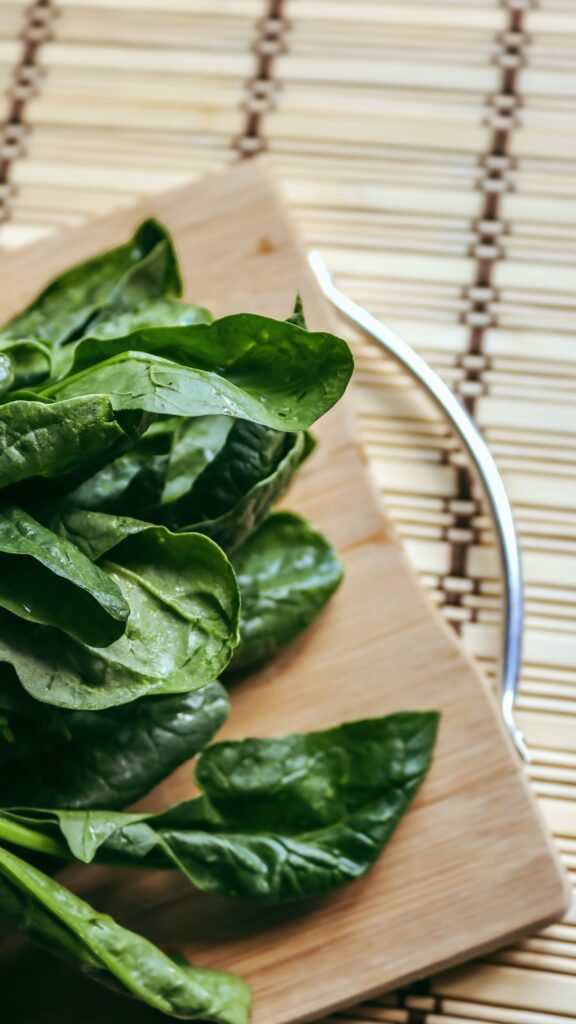
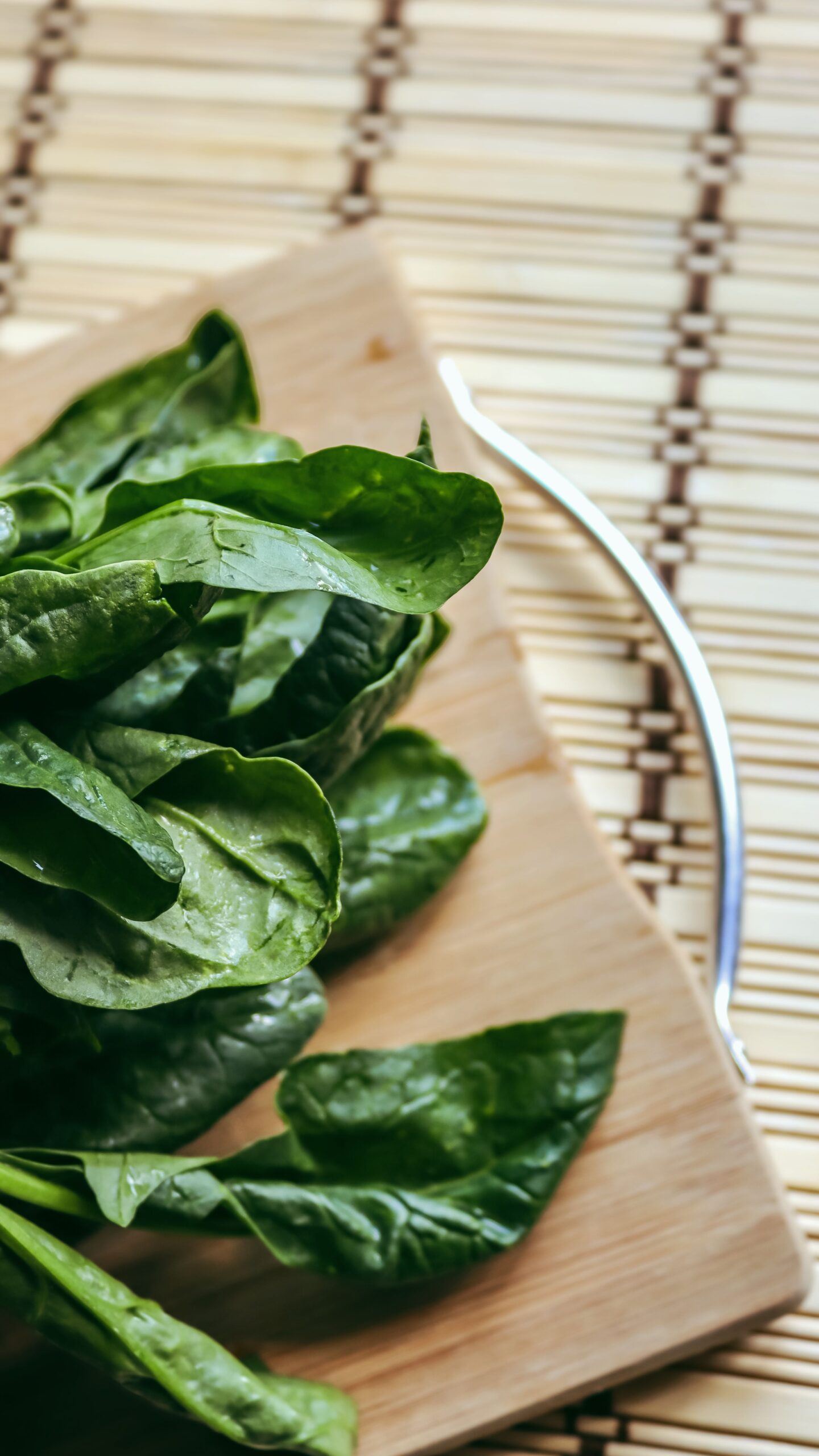
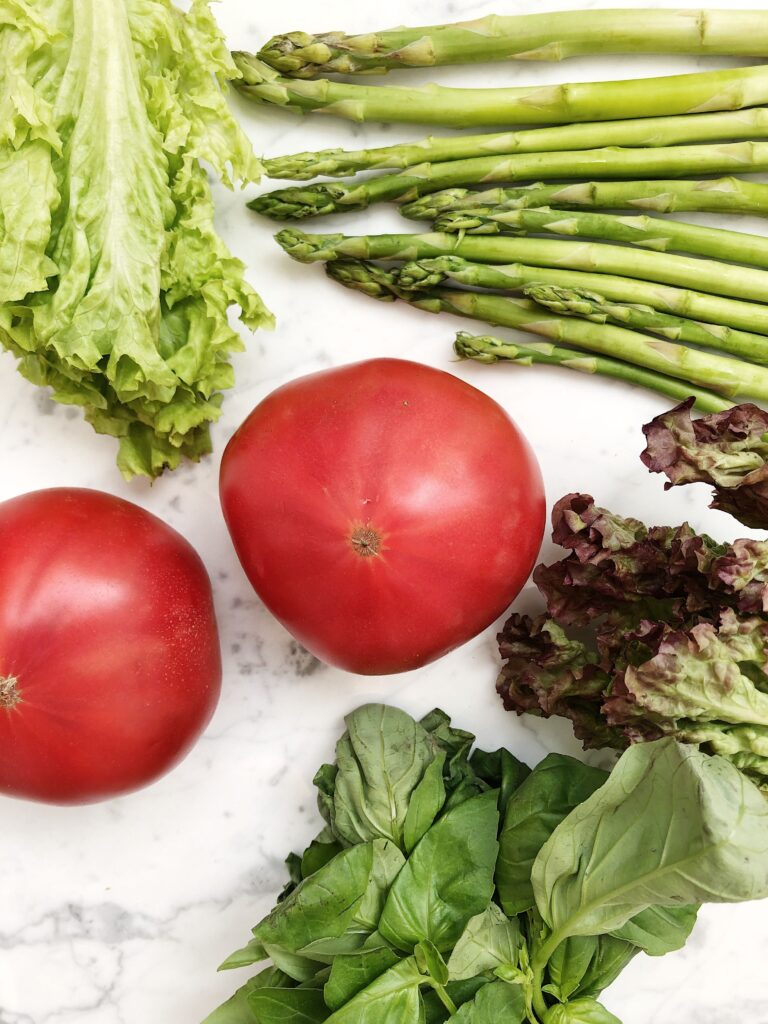
Leafy greens, such as kale, Swiss chard, collard greens, and spinach, are valuable additions to an iron-supporting diet because they provide iron along with vitamin C and other essential nutrients.
While some leafy greens contain non-heme iron, pairing them with additional vitamin C-rich foods further enhances the body’s ability to absorb this important mineral.
These nutrient-dense vegetables are also rich in folate, fiber, and antioxidants that support healthy blood cell production and overall wellness.
Including leafy greens in salads, smoothies, soups, and essential cooked dishes is an easy and nutritious way to promote better iron absorption and maintain a balanced diet.
- Tomatoes
Tomatoes are an excellent source of vitamin C and other beneficial antioxidants, making them a valuable food for improving iron absorption.
The vitamin C in tomatoes helps the body absorb non-heme iron more efficiently from plant-based foods such as beans, lentils, spinach, and whole grains.
Fresh tomatoes can be added to salads, sandwiches, and wraps, while cooked tomatoes in sauces, soups, and stews also provide nutritional benefits.
Including tomatoes in iron-rich meals is a simple and flavorful way to enhance iron uptake while supporting heart health, immune function,vitality and overall well-being.
https://www.unicef.org/nutrition
- Broccoli and Brussels sprouts
Broccoli and Brussels sprouts are nutrient-dense cruciferous vegetables that are rich in vitamin C, a key nutrient that significantly enhances the absorption of non-heme iron.
Including these vegetables in iron-rich meals can help improve iron uptake and support healthy iron levels in the body.
When paired with iron-rich foods such as lentils, beans, spinach, or fortified grains, the vitamin C in these vegetables helps the body absorb non-heme iron more efficiently.
They also provide fiber, folate, vitamin K, and powerful antioxidants that support healthy blood cell production, immune function, and overall wellness.
Whether steamed, roasted, or added to stir-fries and salads, broccoli and Brussels sprouts are delicious and nutritious choices for enhancing iron uptake as part of a balanced diet.
Foods Containing Heme Iron
Heme iron is the form of iron naturally found in animal-based foods, and it is absorbed by the body much more efficiently than non-heme iron from plant sources.
Including heme iron-rich foods in your diet can help increase iron levels more effectively and support healthy red blood cell production.
The following animal-based foods are excellent sources of heme iron and can contribute to maintaining optimal iron status:
- Red meat
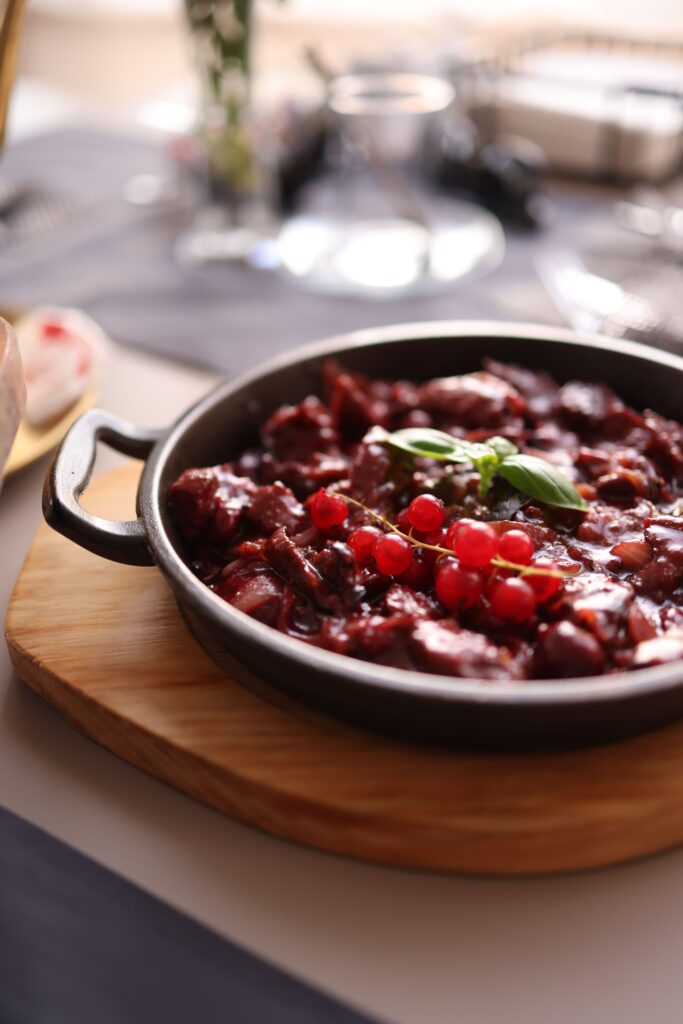
Red meat, such as beef, lamb, and venison, is one of the richest sources of heme iron, which the body absorbs efficiently.
Regularly including moderate portions of lean red meat in a balanced diet can help increase iron levels, support healthy red blood cell production, and reduce the risk of iron deficiency anemia.
In addition to heme iron, red meat provides high-quality protein, vitamin B12, and zinc, all of which play important roles in energy production, immune function, and overall health.
Choosing lean cuts and preparing them using healthy cooking methods, such as grilling or baking, can maximize nutritional benefits while limiting excess saturated fat.
- Poultry
Poultry, including chicken and turkey, is an excellent source of heme iron that is easily absorbed by the body.
Although it contains less iron than red meat, poultry still contributes to maintaining healthy iron levels and supports the production of red blood cells.
It is also rich in high-quality protein, vitamin B6, niacin, and other essential nutrients that promote energy metabolism, muscle maintenance, and overall health.
Including lean poultry in balanced meals with vegetables and whole grains provides a nutritious way to improve iron intake while supporting a healthy and well-rounded diet.
- Fish and shellfish
Fish and shellfish are excellent sources of highly absorbable heme iron, making them valuable foods for supporting healthy iron levels and preventing iron deficiency.
Shellfish such as oysters, clams, and mussels are particularly rich in iron, while fish like tuna, sardines, and salmon also contribute meaningful amounts along with heart-healthy omega-3 fatty acids.
In addition to iron, fish and shellfish provide high-quality protein, vitamin B12, zinc, and selenium, all of which support red blood cell production, immune function, and overall well-being.
Including a variety of fish and shellfish in your diet can help improve iron intake while offering numerous nutritional benefits for long-term health.
Pairing Foods for Better Absorption
Pairing non-heme iron-rich foods with ingredients that naturally improve iron absorption is an effective way to help your body utilize more of the iron you consume.
Creating balanced meals that combine plant-based iron sources with vitamin C-rich foods can significantly increase iron uptake and support healthy red blood cell production.
Try the following food pairings to maximize iron absorption and promote better overall nutrition:
- Lentils Paired with Fresh Tomatoes
- Spinach Drizzled with Lemon Juice
- Chickpeas Served with Sweet Red Bell Peppers
Avoiding Inhibitors
Certain substances can interfere with iron absorption.
Being aware of them can help you optimize iron absorption and maintain healthy iron levels.
- Tannins
Tannins are naturally occurring plant compounds found in foods and beverages such as tea, coffee, cocoa, grapes, and some legumes.
They are a type of polyphenol that can bind to non-heme iron in the digestive tract, reducing the amount of iron the body absorbs.
While tannins have antioxidant properties and may provide certain health benefits, consuming large amounts of tannin-rich foods or drinks with iron-rich meals can decrease iron absorption, particularly in people who are at risk of iron deficiency.
To improve iron absorption, it is often recommended to consume tannin-containing beverages between meals rather than with iron-rich foods.
https://ods.od.nih.gov/factsheets/Iron-HealthProfessional
- Calcium
Calcium is an essential mineral that is important for building and maintaining strong bones and teeth, as well as supporting muscle function, nerve signaling, and blood clotting.
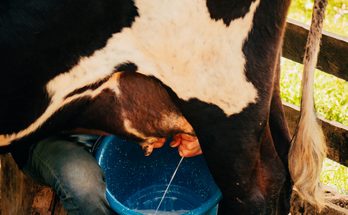
It is commonly found in dairy products, leafy green vegetables, fortified foods, and some fish. However, calcium can temporarily reduce the absorption of both heme and non-heme iron when consumed in large amounts during the same meal.
Although this effect is generally small for people with a balanced diet, individuals who are at risk of iron deficiency may benefit from consuming calcium-rich foods or supplements at a different time from iron-rich meals to help maximize iron absorption.
- Phytates
Phytates, also known as phytic acid, are naturally occurring compounds found in whole grains, legumes, nuts, seeds, and some cereals.
They can reduce iron absorption by binding to non-heme iron in the digestive tract, making it less available for the body to absorb.
Phytates are considered one of the strongest dietary inhibitors of iron absorption, particularly in plant-based diets.
However, food preparation methods such as soaking, sprouting, fermenting, and cooking can lower phytate levels and improve iron absorption.
Eating vitamin C-rich foods alongside meals containing phytates can also help counteract their inhibitory effect on iron absorption.
It is advisable to consume foods containing these inhibitors at a different time from iron-rich meals to help maximize iron absorption.
Including vitamin C-rich foods, consuming heme iron sources, and carefully managing food combinations and dietary inhibitors can significantly enhance the body’s ability to absorb iron.
Maintaining a balanced diet that incorporates a variety of these foods helps support optimal iron status, promotes healthy red blood cell production, and contributes to overall health and well-being.