
Prediabetes Warning Sign Most People Ignore: Why Early Detection Matters
Prediabetes is a silent health condition affecting millions of people worldwide. Unfortunately, many individuals are unaware they have prediabetes because the symptoms are often subtle or completely overlooked.
One of the most important reasons prediabetes progresses into type 2 diabetes is that people ignore the early warning signs their bodies are trying to communicate.
Among these warning signs, one stands out as the most overlooked yet powerful indicator of insulin resistance and rising blood sugar levels: dark patches of skin known as acanthosis nigricans.
Recognizing this symptom early can provide a life-changing opportunity to reverse prediabetes before it develops into a more serious condition.
What Is Prediabetes?
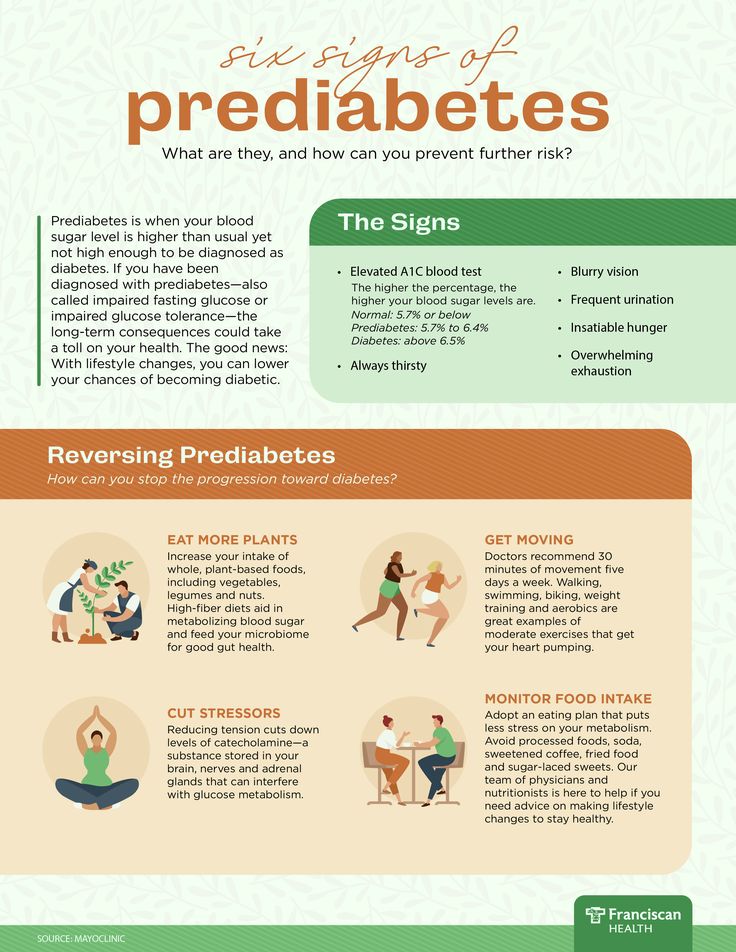
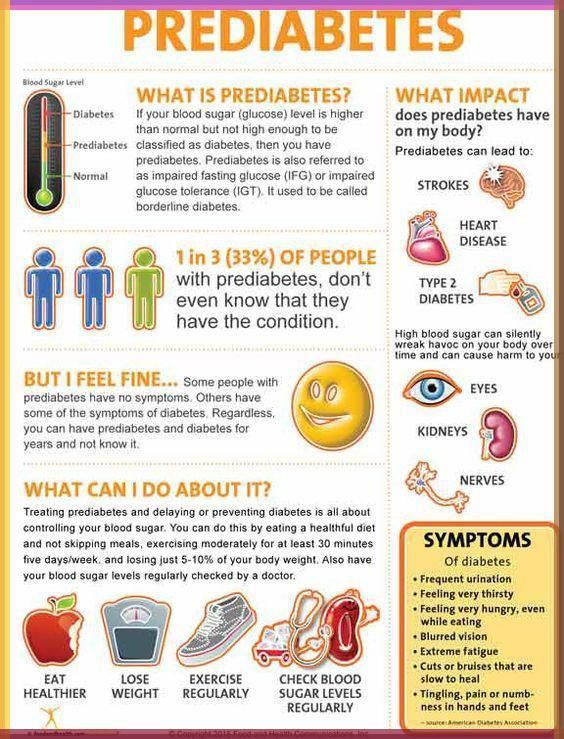
Prediabetes occurs when blood sugar levels are higher than normal but not high enough to be diagnosed as type 2 diabetes.
It serves as a critical warning stage that gives individuals time to make lifestyle changes and prevent further progression.
According to the Centers for Disease Control and Prevention (CDC), more than one-third of adults may have prediabetes, yet many remain unaware of their condition.
Common Causes of Prediabetes
- Excess body weight
- Physical inactivity
- Poor dietary habits
- Family history of diabetes
- High blood pressure
- Hormonal disorders
- Increasing age
The Powerful Warning Sign Most People Ignore
Dark Skin Patches Around the Neck and Underarms
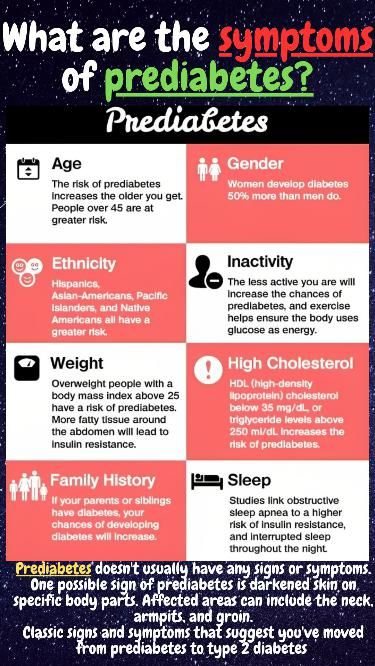
One of the strongest early signs of insulin resistance is the appearance of dark, velvety skin patches.
This condition is called acanthosis nigricans.
These patches commonly appear on:
- The back of the neck
- Underarms
- Groin area
- Elbows
- Knees
- Knuckles
Many people mistake these patches for poor hygiene, sun damage, or normal skin discoloration. However, they often indicate that the body is producing excessive insulin.
Why Does This Happen?
When insulin levels remain elevated, skin cells begin multiplying more rapidly.
This leads to thickened, darker areas of skin that become visible before many other symptoms appear.
Key Characteristics
- Dark brown or black appearance
- Velvety texture
- Thickened skin
- Gradual development
- Usually painless
Because these changes occur slowly, people often ignore them for years.
Other Hidden Symptoms of Prediabetes
While acanthosis nigricans is one of the most important warning signs, several other symptoms may accompany prediabetes.
Constant Fatigue
High blood sugar affects the body’s ability to use glucose efficiently.
As a result, many people feel tired even after adequate rest.
Increased Thirst
Excess glucose in the bloodstream causes dehydration, leading to persistent thirst.
Frequent Urination
The kidneys work harder to remove excess sugar, causing more frequent trips to the bathroom.
Blurred Vision
Blood sugar fluctuations can affect the eye lenses, resulting in temporary vision changes.
Increased Hunger
Even after eating, cells may not receive enough glucose due to insulin resistance, triggering ongoing hunger.
Slow Healing Wounds
Cuts and bruises may take longer to heal because elevated blood sugar can affect circulation and immune function.
Understanding Insulin Resistance
What Is Insulin Resistance?
Insulin resistance occurs when cells stop responding effectively to insulin.
The pancreas compensates by producing more insulin, which eventually raises blood sugar levels.
This process can continue silently for many years before diabetes develops.
Stages of Progression
Stage 1: Normal Blood Sugar
The body responds normally to insulin.
Stage 2: Insulin Resistance
Cells become less responsive to insulin.
Stage 3: Prediabetes
Blood sugar begins rising above normal levels.
Stage 4: Type 2 Diabetes
The pancreas can no longer keep up with insulin demands.
Who Is Most at Risk?
Certain individuals face a higher risk of developing prediabetes.
High-Risk Groups
- Adults over age 45
- People with obesity
- Individuals with a family history of diabetes
- People with high cholesterol
- Women with a history of gestational diabetes
- Individuals with polycystic ovary syndrome (PCOS)
Recognizing risk factors can encourage earlier testing and prevention.
How Prediabetes Is Diagnosed
Doctors use several tests to identify prediabetes.
Fasting Blood Sugar Test
Results between 100 and 125 mg/dL typically indicate prediabetes.
A1C Test
An A1C level between 5.7% and 6.4% suggests prediabetes.
Oral Glucose Tolerance Test
This test measures how the body processes sugar over time.
For more information, visit the American Diabetes Association.
Effective Ways to Reverse Prediabetes
The good news is that prediabetes can often be reversed through lifestyle improvements.
Adopt a Healthy Diet
Focus on:
- Vegetables
- Fruits
- Lean proteins
- Whole grains
- Healthy fats
Limit:
- Sugary beverages
- Processed foods
- Refined carbohydrates
Increase Physical Activity
Aim for at least 150 minutes of moderate exercise per week.
Excellent options include:
- Walking
- Cycling
- Swimming
- Strength training
Lose Excess Weight
Even a modest weight loss of 5% to 10% can significantly improve insulin sensitivity.
Improve Sleep Quality
Poor sleep contributes to insulin resistance and blood sugar imbalance.
Manage Stress
Chronic stress increases cortisol levels, which may elevate blood sugar.
Helpful strategies include:
- Meditation
- Deep breathing exercises
- Yoga
- Regular physical activity
Why Ignoring Prediabetes Can Be Dangerous
Many people assume prediabetes is harmless because symptoms may seem minor.
However, untreated prediabetes increases the risk of:
- Type 2 diabetes
- Heart disease
- Stroke
- Kidney disease
- Nerve damage
- Vision problems
Early action provides the best chance of preventing these complications.
Frequently Asked Questions
Can Prediabetes Be Reversed?
Yes. Many people successfully reverse prediabetes through healthy eating, exercise, and weight management.
What Is the Most Common Prediabetes Warning Sign?
Dark, velvety skin patches known as acanthosis nigricans are among the most commonly overlooked warning signs.
How Long Can Someone Have Prediabetes Without Knowing?
Prediabetes can remain undetected for several years because symptoms are often mild or absent.
Should I Get Tested If I Have Dark Skin Patches?
Yes. If you notice unexplained dark skin around your neck, underarms, or other body folds, discuss testing with a healthcare professional.
Is Prediabetes Serious?
Yes. Without intervention, prediabetes can progress to type 2 diabetes and increase the risk of serious health complications.
Further Reading
To learn more about preventing and reversing prediabetes, explore these trusted resources:
- CDC Prediabetes Prevention Guide
- NIDDK Prediabetes and Insulin Resistance
- American Heart Association Prediabetes Guide
CDC Prediabetes Prevention Guide – Learn how lifestyle changes can help reduce the risk of developing Type 2 diabetes. NIDDK Prediabetes and Insulin Resistance – Detailed information about insulin resistance, blood sugar control, and reversing prediabetes. American Heart Association Prediabetes Guide – Evidence-based information about prediabetes, heart health, and diabetes prevention.
The prediabetes warning sign that most people overlook is often right in front of them. Dark, velvety skin patches around the neck, underarms, and other body folds can be an early indicator of insulin resistance and rising blood sugar levels.
By recognizing this powerful warning sign early, you can take meaningful steps to improve your health, reverse prediabetes, and reduce your risk of developing type 2 diabetes.
Small lifestyle changes made today can have a lasting impact on your future well-being.
If you notice any warning signs discussed in this article, consider speaking with a healthcare professional and scheduling a blood sugar screening.
Early detection remains one of the most effective tools for preventing diabetes and protecting long-term health.
10 Powerful Benefits of a Healthy Breakfast for Better Health and Energy




https://shorturl.fm/W9Jm0