Iron Needs During Pregnancy
Pregnancy is a special stage when the body needs extra nutrients to support both the mother and the growing baby.
Among these nutrients, iron plays an especially important role because the body uses it to produce hemoglobin, the protein in red blood cells that carries oxygen throughout the body.
During pregnancy, blood volume increases, and the developing baby also needs iron for healthy growth and development.
Because of these changes, getting enough iron becomes an important part of prenatal nutrition.
When iron intake is too low, a pregnant woman may develop iron deficiency or iron-deficiency anemia, which can affect how she feels and may create additional pregnancy risks.
Understanding iron needs during pregnancy can help expectant mothers make informed choices about food, supplements, and prenatal care.
Iron needs are not exactly the same for every pregnant woman.
A woman’s diet, existing iron stores, blood test results, stage of pregnancy, and overall health can all influence how much iron she needs.
Iron-rich foods can contribute significantly to daily intake, while healthcare professionals may recommend an iron supplement when dietary intake alone is not enough.
The World Health Organization recommends daily iron and folic acid supplementation during pregnancy as part of antenatal care, with 30–60 mg of elemental iron and 400 micrograms of folic acid.
However, pregnant women should not change supplement doses on their own because iron requirements and treatment plans can differ from person to person.
Why Is Iron So Important During Pregnancy?
Iron is essential during pregnancy because it helps the body make hemoglobin and support the increased production of red blood cells.
These cells transport oxygen to tissues throughout the mother’s body and to the developing baby through the placenta.
As pregnancy progresses, the mother’s blood supply expands considerably, increasing the demand for iron.
The baby also stores iron during pregnancy to help support normal development after birth.
If the mother’s iron intake does not keep pace with these increased demands, her iron stores may gradually become depleted.
This is one reason healthcare providers commonly monitor blood counts during prenatal appointments and discuss iron intake with pregnant women.
How Much Iron Do You Need During Pregnancy?
Iron requirements increase during pregnancy compared with many other stages of life.
However, it is important to distinguish between the amount of iron needed from the overall diet and the amount contained in a prescribed supplement.
Different health organizations and countries may use slightly different recommendations based on population needs and healthcare policies.
WHO recommends daily supplementation containing 30–60 mg of elemental iron along with 400 µg of folic acid during pregnancy to help prevent maternal anemia and iron deficiency.
The amount written on an iron supplement label may refer to elemental iron rather than the total weight of the iron compound, so women should follow the instructions provided by their healthcare professional instead of comparing tablets based only on the number printed on the package.
What Happens to Iron Needs as Pregnancy Progresses?
Iron needs become increasingly important as pregnancy develops because the mother’s body is supporting a larger blood supply and the baby’s growth continues.
During the first trimester, some women may experience nausea or changes in appetite that make it harder to maintain a balanced diet.
In the second and third trimesters, the demand for iron remains important as blood production and fetal development continue.
This does not mean that every woman needs to take a higher dose as pregnancy advances.
Instead, prenatal care helps determine whether current nutrition and supplementation are adequate.
Regular appointments and recommended blood tests can help identify anemia or low iron stores before the problem becomes more serious.
Best Iron-Rich Foods During Pregnancy
Food is an important part of meeting iron needs during pregnancy.
Iron can be found in both animal-based and plant-based foods.
Meat, poultry, and seafood can provide iron in forms that the body generally absorbs efficiently.
Plant sources include beans, lentils, peas, dark leafy vegetables, fortified cereals, nuts, seeds, and some whole grains.
Including different sources throughout the week can make it easier to obtain iron as part of a balanced pregnancy diet.
A varied diet also provides other nutrients needed during pregnancy, including protein, folate, vitamin C, and other vitamins and minerals.
Pregnant women who have particular dietary restrictions can discuss suitable iron-rich alternatives with a healthcare professional or qualified nutrition provider.
Heme Iron and Non-Heme Iron: What Is the Difference?
Iron in food is commonly described as heme iron or non-heme iron.
Heme iron is mainly found in animal foods such as meat, poultry, and seafood, while non-heme iron occurs primarily in plant foods and fortified products.
The body generally absorbs heme iron more readily, but plant-based foods can still make a valuable contribution to iron intake.
People who eat little or no animal products may need to pay particular attention to regularly including plant sources of iron and following professional nutrition advice.
Eating a variety of iron-containing foods can help improve the overall quality of the diet while supporting the increased nutritional demands of pregnancy.
How Vitamin C Can Help With Iron Absorption
Vitamin C may improve the absorption of non-heme iron found in plant foods.
This makes foods containing vitamin C useful companions to meals that contain beans, lentils, leafy greens, or fortified grains.
Fruits such as oranges, guavas, strawberries, and other vitamin-C-rich choices can be included alongside iron-containing foods.
Vegetables such as tomatoes and peppers can also contribute vitamin C.
Creating balanced meals rather than focusing on a single nutrient can make it easier to support overall nutritional needs during pregnancy.
Good nutrition is not about one particular food; it is about regularly choosing a variety of nourishing foods.
Foods and Drinks That May Affect Iron Absorption
Some foods and beverages contain compounds that can reduce the absorption of non-heme iron when consumed at the same time as an iron-rich meal or supplement.
Tea and coffee, for example, contain compounds that can interfere with iron absorption. Calcium can also affect iron absorption in certain circumstances.
This does not mean pregnant women need to completely avoid these foods or nutrients.
Instead, timing can sometimes be helpful, particularly when a healthcare professional has recommended an iron supplement.
If you are unsure about how to separate iron supplements from other foods, drinks, or medications, ask your healthcare provider for personalized instructions.
Signs That You May Not Be Getting Enough Iron
Iron deficiency does not always cause obvious symptoms at first, which is why prenatal blood testing is important.
When anemia develops, some women may experience tiredness, weakness, dizziness, headaches, shortness of breath, or difficulty concentrating.
These symptoms can also occur for many other reasons during pregnancy, so they should not automatically be assumed to mean iron deficiency.
A blood test can provide more useful information than symptoms alone.
If you experience persistent or concerning symptoms during pregnancy, inform your healthcare provider so the cause can be properly evaluated.
Iron Deficiency Anemia During Pregnancy
Iron-deficiency anemia occurs when the body does not have enough available iron to produce an adequate amount of healthy hemoglobin.
Pregnancy increases the importance of preventing and identifying anemia because the mother’s body has greater blood and oxygen requirements.
WHO notes that more than 40% of pregnant women worldwide are estimated to have anemia, with at least half of the anemia burden assumed to be related to iron deficiency.
Iron-deficiency anemia can leave a woman feeling unusually tired and may require treatment depending on its severity and cause.
Prenatal screening is therefore an important part of protecting maternal and pregnancy health.
https://www.who.int/tools/elena/interventions/daily-iron-pregnancy?utm_source=chatgpt.com
Can Iron Supplements Prevent Anemia?
Iron supplements can help prevent iron deficiency and anemia when used appropriately.
WHO recommends daily iron and folic acid supplementation during pregnancy, with 30–60 mg of elemental iron and 400 µg of folic acid.
Research summarized by WHO indicates that iron supplementation during pregnancy lowers the risk of maternal iron deficiency and anemia at term.
However, supplements should be taken according to professional guidance.
Taking more iron than recommended does not automatically provide greater benefits and can cause unwanted effects.
The appropriate product and dose depend on individual circumstances and local prenatal-care recommendations.

What Are the Benefits of Taking Iron During Pregnancy?
Adequate iron intake supports the production of hemoglobin and helps the body meet the increased demands of pregnancy.
Preventing iron deficiency can also reduce the likelihood of developing iron-deficiency anemia.
WHO recommends iron and folic acid supplementation during pregnancy partly because it can help reduce maternal anemia and iron deficiency and is associated with important pregnancy health benefits.
Maintaining adequate iron status is therefore one part of a broader approach to healthy pregnancy nutrition.
Iron should be considered alongside other essential nutrients, regular prenatal care, adequate hydration, sufficient rest, and a balanced diet.
Common Side Effects of Iron Supplements
Some women experience digestive side effects after taking iron supplements.
These can include constipation, nausea, stomach discomfort, or changes in bowel habits. Such effects may make some women reluctant to continue taking their supplements.
If side effects are difficult to manage, it is better to speak with a healthcare professional rather than simply stopping the supplement or changing the dose independently.
A provider may be able to recommend a different formulation, timing strategy, or approach that is more comfortable while still providing the needed amount of iron.
What If You Forget an Iron Supplement?
Forgetting an occasional supplement can happen, especially when pregnancy involves many appointments, dietary changes, and daily responsibilities.
If you miss a dose, avoid taking extra iron without professional advice simply to compensate.
The safest approach is to follow the instructions provided with your supplement or ask your healthcare provider or pharmacist what to do.
If you frequently forget your supplement, creating a simple routine around an appropriate daily activity may make it easier to remember.
Consistency is particularly useful when a supplement has been recommended as part of prenatal care.
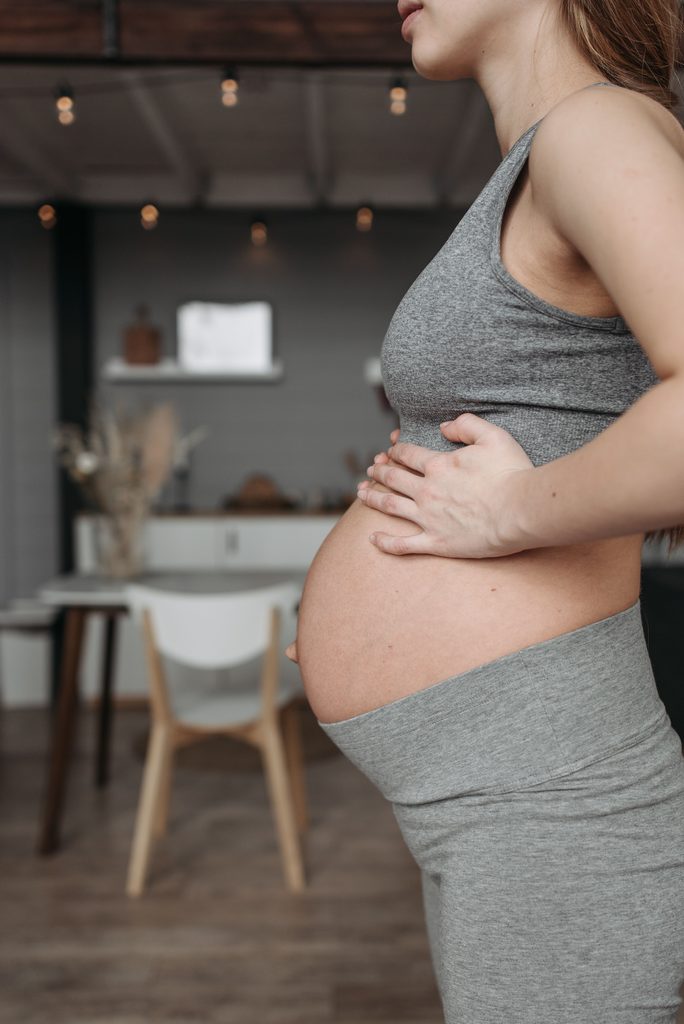
Can You Get Enough Iron From Food Alone?
A healthy diet can provide a substantial amount of iron, but some pregnant women may still require supplementation because pregnancy increases iron requirements.
Whether food alone is sufficient depends on the individual’s diet, iron stores, blood results, and medical circumstances.
Women with low iron levels or anemia may need an iron supplement even when they regularly eat iron-rich foods.
This is why dietary choices and prenatal monitoring work together rather than replacing one another.
A balanced diet is valuable, but it should not be used as a substitute for treatment when a healthcare professional has identified iron deficiency or anemia.
Iron During Pregnancy for Vegetarian and Vegan Diets
Women following vegetarian or vegan diets can obtain iron from plant foods such as lentils, beans, peas, tofu, fortified cereals, seeds, nuts, and dark leafy vegetables.
Because much of the iron in plant foods is non-heme iron, combining these foods with vitamin-C-rich choices can support absorption.
Pregnant women who avoid animal products should make sure their overall diet provides enough iron and other important nutrients.
Discussing dietary needs with a healthcare professional or qualified nutrition provider can be especially useful during pregnancy, when nutritional requirements are higher.
When Should Iron Levels Be Checked?
Prenatal care commonly includes blood tests that can help identify anemia and other concerns.
The exact timing and tests used may vary depending on healthcare guidelines, individual risk factors, and previous results.
A healthcare provider may assess hemoglobin and other blood measurements when evaluating whether a woman has anemia or may need additional iron.
If a pregnant woman has a history of anemia, heavy menstrual bleeding before pregnancy, a restricted diet, or another factor that may affect iron status, her provider may recommend closer monitoring.
Testing is more reliable than trying to diagnose iron deficiency from symptoms alone.
https://www.who.int/data/nutrition/nlis/info/antenatal-iron-supplementation?utm_source=chatgpt.com
Can Too Much Iron Be Harmful?
Iron is essential, but more is not always better.
Taking excessive amounts of iron can cause unpleasant digestive effects and, in some situations, can be harmful.
This is why pregnant women should avoid taking multiple iron-containing supplements at the same time unless their healthcare provider has recommended them.
It is also important to distinguish between routine preventive supplementation and treatment for diagnosed anemia.
A treatment dose may be different from a preventive dose.
Always check the amount of elemental iron in a supplement and follow professional instructions rather than increasing the amount independently.
Iron and Folic Acid: Why Are They Often Combined?
Iron and folic acid are frequently provided together during pregnancy because both nutrients are important during this period.
Iron supports hemoglobin production and oxygen transport, while folate has important roles in cell division and fetal development.
WHO recommends 30–60 mg of elemental iron together with 400 µg of folic acid daily for pregnant women.
UNICEF-supported maternal nutrition guidance also recognizes iron and folic acid supplementation as an important intervention during pregnancy.
Combining these nutrients in prenatal care can make supplementation easier and support several nutritional needs at the same time.
Simple Ways to Support Healthy Iron Levels
Supporting healthy iron levels during pregnancy can begin with practical daily habits.
Include iron-rich foods regularly, pair plant sources with vitamin-C-rich foods, follow prenatal supplement instructions, attend recommended prenatal appointments, and complete blood tests when advised.
Avoid changing supplement doses without professional guidance, even if you feel tired or believe your iron level may be low.
Keeping a consistent eating and supplement routine can also make it easier to meet nutritional needs.
Small, regular choices can make a meaningful contribution to maintaining good nutrition throughout pregnancy.
Final Thoughts on Iron Needs During Pregnancy
Iron needs during pregnancy deserve careful attention because the mother’s body is working harder to support increased blood production and the development of the baby.
Eating a varied diet that includes iron-rich foods is an important foundation, while iron and folic acid supplements may be recommended as part of prenatal care.
WHO recommends daily supplementation with 30–60 mg of elemental iron and 400 µg of folic acid for pregnant women to help prevent maternal anemia and iron deficiency.
The most important point is to avoid guessing when it comes to iron supplements.
If you are pregnant and concerned about tiredness, anemia, diet, or your iron level, speak with a qualified healthcare professional who can assess your individual needs.
With appropriate nutrition, monitoring, and professional guidance, maintaining healthy iron levels can become a positive and manageable part of pregnancy care.