Anemia is a common health condition that affects people of different ages, but many misconceptions about it continue to circulate.
Some people believe anemia always means having low iron, while others think that eating more iron-rich foods is enough to treat every type of anemia.
In reality, anemia has many possible causes, and the right treatment depends on identifying what is causing it.
Understanding the difference between fact and myth can help people recognize symptoms, seek appropriate medical care, and avoid relying on ineffective treatments.
The World Health Organization (WHO) explains that anemia can result from nutritional deficiencies, infections, chronic diseases, blood loss, inflammation, pregnancy-related conditions, and inherited blood disorders.
What Is Anemia?
Anemia occurs when the number of red blood cells or the concentration of hemoglobin in the blood is lower than normal.
Hemoglobin is important because it helps carry oxygen from the lungs to tissues throughout the body.
Common symptoms may include tiredness, weakness, dizziness, headaches, cold hands and feet, and shortness of breath, particularly during physical activity.
However, these symptoms are not unique to anemia, so a blood test is generally needed to determine whether someone is anemic.
One important point is that anemia is not a single disease. It is a condition that can have different underlying causes.
Myth 1: Anemia Always Means Iron Deficiency
This is one of the most common misconceptions about anemia.
Iron deficiency is the most common nutritional cause of anemia, but not every case of anemia is caused by insufficient iron.
Other possible causes include deficiencies of folate and vitamin B12, infections, inflammation, chronic diseases, blood loss, and inherited red blood cell disorders such as thalassemia and sickle cell disorders.
This distinction matters because taking iron when iron deficiency is not the problem may not address the underlying cause.
The truth: Iron deficiency is an important cause of anemia, but anemia can develop for many different reasons.
Myth 2: Everyone With Anemia Should Take Iron Supplements
Iron supplements can be helpful when iron deficiency is confirmed or strongly suspected by a healthcare professional.
However, they are not automatically appropriate for every person with anemia.
If anemia is caused by another condition, simply taking iron may not solve the problem.
The appropriate treatment depends on the cause.
A healthcare professional may use blood tests and other information to determine whether iron deficiency is present and whether additional testing is necessary.
The truth: Iron supplements should be used appropriately rather than assuming that every type of anemia is caused by low iron.
Myth 3: Eating Iron-Rich Foods Immediately Cures Anemia
Eating a nutritious diet can help prevent nutritional deficiencies and support healthy blood production, but food does not necessarily correct established anemia quickly.
For people with iron-deficiency anemia, iron-rich foods such as beans, lentils, lean meat, fish, poultry, fortified foods, and dark green leafy vegetables can contribute to iron intake.
Vitamin C-rich fruits and vegetables can also help the body absorb iron from plant-based foods.
However, someone with significant anemia may need medical evaluation and treatment in addition to dietary changes.
The truth: A balanced diet supports healthy blood, but established anemia may require more than food alone.
Myth 4: Anemia Is Only Caused by Poor Diet
Diet can play an important role, but anemia is not always a dietary problem.
Blood loss, infections, chronic illnesses, inflammation, pregnancy-related factors, heavy menstrual bleeding, and inherited blood disorders can all contribute to anemia.
For example, repeated blood loss can reduce the body’s iron stores over time.
In some regions, infections such as malaria and parasitic infections can also contribute to anemia.
The truth: Diet is only one piece of the anemia puzzle.
Myth 5: If You Feel Tired, You Must Have Anemia
Fatigue is a well-known symptom of anemia, but feeling tired does not automatically mean that a person is anemic.
Tiredness can have many possible causes, including inadequate sleep, stress, illness, dehydration, nutritional problems, and other medical conditions.
Because anemia symptoms can overlap with many other conditions, it is better not to diagnose yourself based on tiredness alone.
The truth: Fatigue can occur with anemia, but a blood test and medical assessment are needed to identify the cause.
Myth 6: Anemia Always Causes Obvious Symptoms
Not everyone with anemia experiences noticeable symptoms, particularly when anemia develops gradually or is relatively mild.
When symptoms occur, they may include tiredness, weakness, dizziness, headaches, or shortness of breath.
More significant anemia can cause more noticeable problems.
This is one reason why laboratory testing can be important when anemia is suspected.
The truth: A person can have anemia without immediately recognizing clear symptoms.
Myth 7: Anemia Only Affects Women
Women and girls are among the groups particularly affected by anemia, especially during menstruation, pregnancy, and the postpartum period.
However, anemia can affect anyone, including men and children.
Children may develop anemia because of nutritional deficiencies, infections, increased nutritional requirements during growth, or other health conditions.
Adults can also develop anemia for many different reasons.
The truth: Anemia can affect people of all ages and sexes.
Myth 8: Pale Skin Always Means You Have Anemia
Pale skin can occur in some people with anemia, particularly when anemia is significant, but skin color alone cannot diagnose the condition.
Many other factors influence how someone’s skin looks, and some people with anemia may not appear noticeably pale.
A healthcare professional may look for several signs and use laboratory testing rather than relying on appearance alone.
The truth: Appearance is not a reliable substitute for a blood test.
https://www.who.int/news-room/fact-sheets/detail/anaemia?utm_source=chatgpt.com
Myth 9: Drinking Tea or Coffee Always Causes Anemia
Tea and coffee are not direct causes of every case of anemia.
However, compounds in tea and coffee can reduce iron absorption when consumed around meals containing iron.
WHO specifically lists tea and coffee among foods and drinks that can slow iron absorption.
This does not mean people must completely avoid tea or coffee.
Instead, the overall diet and timing of foods and beverages can matter, particularly for someone who is trying to improve iron absorption.
The truth: Tea and coffee do not automatically cause anemia, but they can affect iron absorption.
Myth 10: Spinach Alone Can Cure Iron-Deficiency Anemia
Spinach and other dark green leafy vegetables can be nutritious sources of iron and other nutrients.
However, relying on one food alone is not an adequate treatment for established anemia.
A varied diet is generally more useful because the body needs several nutrients for healthy red blood cell production.
Depending on the cause, treatment may also require medical care.
The truth: Spinach can be part of a healthy diet, but no single food is a guaranteed cure for anemia.
https://www.who.int/publications/i/item/9789240088542?utm_source=chatgpt.com
Myth 11: Anemia Is Not Serious
Some forms of anemia can be mild, but anemia should not automatically be dismissed as a harmless condition.
The effects depend on its severity, duration, cause, and the person’s overall health.
Significant anemia can reduce the body’s ability to deliver oxygen to tissues and may have important effects on daily functioning and health.
Anemia can also be a sign of an underlying problem that needs attention.
The truth: Anemia deserves proper evaluation, especially when symptoms are persistent, severe, or unexplained.
Myth 12: You Can Diagnose Anemia at Home by Looking at Your Nails or Eyes
People sometimes recommend checking the color of the inside of the lower eyelid, nails, or palms to determine whether someone has anemia.
While healthcare professionals may consider physical signs during an examination, these observations cannot reliably replace laboratory testing.
WHO recommends using hemoglobin measurements to assess anemia and emphasizes appropriate measurement and interpretation for diagnosis.
The truth: Anemia should be assessed with appropriate medical testing rather than appearance alone.
https://www.who.int/publications/i/item/9789240074033/?utm_source=chatgpt.com
Myth 13: All Anemia Can Be Prevented by Eating More Iron
Iron is important for making hemoglobin, but increasing iron intake cannot prevent every type of anemia.
For example, anemia associated with certain infections, chronic conditions, blood loss, or inherited blood disorders requires attention to the underlying cause.
A balanced diet remains important, but prevention should be based on the specific risk factors involved.
The truth: Iron is important, but anemia prevention requires more than simply eating more iron.
Myth 14: Anemia Is Always Permanent
Anemia is often treatable, but the treatment depends on what caused it.
Some cases improve after correcting a nutritional deficiency, while other cases require treatment for blood loss, infection, chronic disease, or another underlying condition.
WHO describes anemia as a preventable and treatable condition in many circumstances.
The truth: Many types of anemia can be managed or treated when the underlying cause is identified.
Myth 15: You Should Wait Until Symptoms Become Severe Before Seeking Help
Waiting for symptoms to become severe is not a good approach when anemia is suspected.
Persistent tiredness, weakness, dizziness, shortness of breath, or other concerning symptoms deserve appropriate evaluation.
People with heavy menstrual bleeding or known health conditions that increase the risk of anemia may also benefit from discussing their symptoms with a healthcare professional.
Early evaluation can help identify the cause and guide appropriate treatment.
The truth: It is better to investigate persistent or concerning symptoms rather than wait for them to become severe.
How Is Anemia Diagnosed?
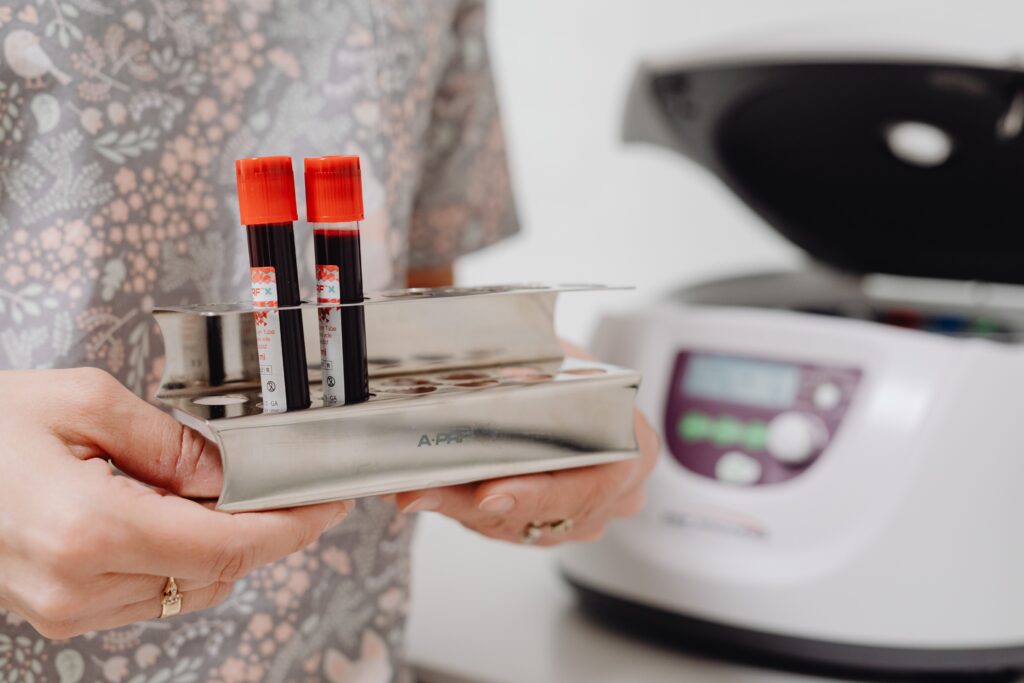
Anemia is generally assessed using a blood test that measures hemoglobin concentration.
Depending on the situation, a healthcare professional may recommend additional tests to determine why the anemia is present.
This is important because a low hemoglobin level does not by itself explain the underlying cause.
WHO emphasizes that anemia has multiple possible causes and that accurate characterization is important for appropriate management.
Additional testing may be considered based on a person’s symptoms, medical history, diet, menstrual or other blood loss, medications, infections, and other factors.
How Can You Reduce Your Risk of Anemia?
A healthy and varied diet can help provide nutrients needed for normal blood production.
Foods containing iron include lean meats, fish, poultry, beans, lentils, fortified cereals, and dark green leafy vegetables.
Vitamin C-rich foods can help improve absorption of iron from plant foods.
Other prevention strategies depend on the cause.
In areas where malaria or certain parasitic infections are common, prevention and treatment of those infections can also be important because infections may contribute to anemia.
People who experience heavy menstrual bleeding should discuss it with a healthcare professional because ongoing blood loss can contribute to anemia.
Frequently Asked Questions About Anemia Myths
Is anemia the same as iron deficiency?
No.
Iron deficiency is one important cause of anemia, but anemia can also result from vitamin deficiencies, infections, chronic diseases, blood loss, inflammation, and inherited blood disorders.
Can food alone treat anemia?
It depends on the cause and severity.
A healthy diet can support blood production, but established anemia may require medical treatment in addition to dietary changes.
Does being tired mean I have anemia?
Not necessarily.
Fatigue has many possible causes.
A blood test is needed to determine whether anemia is present.
Can children develop anemia?
Yes.
Children can develop anemia for several reasons, including nutritional deficiencies, infections, increased nutritional needs during growth, and other medical conditions.
Is anemia always serious?
The severity varies.
Some cases are mild, while others can be significant or indicate an underlying health problem.
Persistent or concerning symptoms should be evaluated.
Final Thoughts
Understanding the common myths about anemia is important because incorrect information can delay proper diagnosis or lead people to focus on the wrong treatment.
Anemia is not simply another word for iron deficiency, and eating one particular food does not automatically cure it.
The most appropriate approach is to identify the underlying cause.
A nutritious, varied diet can support healthy blood production, but anemia caused by blood loss, infection, chronic disease, vitamin deficiency, or an inherited condition may require specific medical care.
If you have persistent symptoms that could be related to anemia, speak with a qualified healthcare professional rather than relying on symptoms or appearance alone.
Proper testing can help determine whether anemia is present and what may be causing it.