Best Vitamins for Iron Deficiency
Iron is an essential mineral that the body needs to produce hemoglobin, the protein in red blood cells responsible for carrying oxygen throughout the body.
When the body does not have enough iron, it may eventually develop iron-deficiency anemia, which can cause symptoms such as tiredness, weakness, dizziness, headaches, and shortness of breath.
Iron deficiency is one of the most common nutritional causes of anemia worldwide.
Although iron is the main nutrient involved in iron deficiency, several vitamins can also support healthy red blood cell production and help the body use nutrients effectively.
Vitamin C is particularly important because it can improve the absorption of non-heme iron from plant-based foods.
Other vitamins, including folate, vitamin B12, vitamin A, and several B vitamins, also have important roles in blood formation and may be relevant when nutritional deficiencies contribute to anemia.
Best Vitamins for Iron Deficiency
What Is Iron Deficiency?
Iron deficiency occurs when the body’s iron stores become too low to meet its needs.
If the deficiency becomes significant, it can lead to iron-deficiency anemia.
Iron is needed to make hemoglobin, so insufficient iron can interfere with the body’s ability to produce healthy red blood cells.
The body may initially use stored iron before hemoglobin levels fall, which means iron deficiency can sometimes develop before anemia becomes obvious.
Common reasons for iron deficiency include inadequate dietary iron intake, increased iron requirements during periods of growth or pregnancy, reduced absorption, and blood loss. Heavy menstrual bleeding can also contribute to iron loss.
Because anemia can have many causes, it is important not to assume that every case of anemia is caused by iron deficiency.
WHO notes that folate, vitamin B12, vitamin A, infections, inflammation, chronic diseases, and inherited blood disorders can also contribute to anemia.
1. Vitamin C: A Key Vitamin for Iron Absorption
Vitamin C is one of the most useful vitamins to consider when discussing iron absorption.
The body absorbs two main forms of dietary iron: heme iron, which is found mainly in animal-source foods, and non-heme iron, which is found largely in plant foods and fortified foods.
Vitamin C can improve the absorption of non-heme iron.
Foods rich in vitamin C include oranges, lemons, guava, tomatoes, bell peppers, strawberries, papaya, and other fruits and vegetables.
Adding a vitamin C-rich food to a meal containing beans, lentils, spinach, or fortified grains can be a simple way to support iron absorption.
WHO also recommends consuming foods rich in vitamin C because they help the body absorb iron.
Best Food Sources of Vitamin C
Some good sources include
- Oranges and other citrus fruits
- Guava
- Strawberries
- Papaya
- Tomatoes
- Bell peppers
- Broccoli
- Kiwi
- Mango
You do not necessarily need a vitamin C supplement to benefit from this effect.
A varied diet can provide vitamin C naturally.
2. Folate (Vitamin B9): Important for Red Blood Cell Production
Folate, also known as vitamin B9, is another important nutrient for healthy blood formation.
The body needs folate to produce and maintain cells, including red blood cells.
A significant folate deficiency can lead to a type of anemia that is different from classic iron-deficiency anemia.
This distinction is important.
If a person’s anemia is caused by folate deficiency, simply increasing iron intake may not correct the underlying problem.
Folate can be found naturally in foods such as leafy green vegetables, beans, peas, oranges, avocados, and some fortified grains.
WHO identifies folate deficiency as one of the nutritional causes that can contribute to anemia.
Foods Rich in Folate
Examples include:
- Spinach and other leafy greens
- Beans
- Lentils
- Peas
- Avocado
- Oranges
- Broccoli
- Fortified grain products
A balanced diet containing a variety of these foods can help support adequate folate intake.
3. Vitamin B12: Essential for Healthy Blood Cells
Vitamin B12 plays an important role in the formation of healthy red blood cells and normal cell function.
A deficiency of vitamin B12 can cause anemia, but this is not the same as iron-deficiency anemia.
B12 deficiency can produce a different pattern of anemia and may require different treatment.
Vitamin B12 is naturally found mainly in animal-source foods, including fish, meat, poultry, eggs, and dairy products.
Some plant-based foods are fortified with vitamin B12.
People who have limited intake of animal-source foods or problems absorbing vitamin B12 may be at increased risk of deficiency.
WHO recognizes vitamin B12 deficiency as an important nutritional cause of anemia.
https://www.who.int/health-topics/anaemia?utm_source=chatgpt.com
Foods Containing Vitamin B12
Good sources include:
- Fish
- Meat
- Poultry
- Eggs
- Milk and dairy products
- Vitamin B12-fortified foods
If a blood test shows vitamin B12 deficiency, a healthcare professional can recommend the appropriate treatment.
4. Vitamin A: Supports Iron Metabolism
Vitamin A is best known for its role in vision and immune function, but it also has a relationship with iron metabolism and healthy blood production.
WHO reports that vitamin A deficiency can contribute to anemia and that vitamin A has roles in iron metabolism and red blood cell production.
Foods containing vitamin A or its precursors include carrots, sweet potatoes, pumpkin, dark green leafy vegetables, eggs, and some animal-source foods.
However, this does not mean that everyone with iron deficiency needs a vitamin A supplement.
Supplements should be considered based on individual nutritional needs and professional advice.
Foods Rich in Vitamin A
Examples include:
- Carrots
- Sweet potatoes
- Pumpkin
- Dark green leafy vegetables
- Eggs
- Liver and other organ meats
A varied diet can help provide vitamin A without relying on high-dose supplements.
5. Vitamin B6: Helps Support Hemoglobin Production
Vitamin B6 is one of the B vitamins involved in normal metabolism and blood formation.
WHO identifies several micronutrients, including vitamin B6, as having roles related to nutritional anemia.
Vitamin B6 can be obtained from foods such as poultry, fish, potatoes, chickpeas, bananas, and fortified cereals.
A deficiency is not the usual explanation for iron-deficiency anemia, but adequate vitamin B6 is part of overall nutritional health.
6. Vitamin B2: A Lesser-Known Nutrient for Blood Health
Vitamin B2, also called riboflavin, is another nutrient involved in normal metabolism and has a role in iron utilization.
WHO notes that riboflavin deficiency may contribute to anemia through effects on iron metabolism and blood cell production.
Food sources of vitamin B2 include milk and dairy products, eggs, meat, fish, almonds, mushrooms, and fortified foods.
Most people can obtain adequate riboflavin through a varied diet.
https://www.who.int/health-topics/micronutrients?utm_source=chatgpt.com
Can Vitamins Cure Iron Deficiency?
Vitamins can support healthy blood production and iron utilization, but vitamins alone do not necessarily correct iron deficiency.
If someone has confirmed iron-deficiency anemia, the most important step is identifying why the iron level is low and following appropriate treatment.
Depending on the situation, treatment may include dietary changes, iron supplementation, or investigation of blood loss or another underlying cause.
Vitamin C can help the absorption of dietary iron, but it does not replace iron itself.
Similarly, folate and vitamin B12 are important for red blood cell production, but they treat different nutritional deficiencies rather than automatically treating iron deficiency.
WHO emphasizes that treatment of anemia should depend on the underlying cause.
Best Food Combinations for Iron Absorption
One simple way to support iron absorption is to combine iron-rich foods with vitamin C-rich foods.
For example:
Beans + Tomatoes
Beans provide non-heme iron, while tomatoes provide vitamin C.
Together, they can make a nutritious meal that supports iron absorption.
Lentils + Bell Peppers
Lentils contain iron, while bell peppers are rich in vitamin C.
Adding vegetables rich in vitamin C can help the body absorb plant-based iron.
Fortified Cereal + Fruit
Some fortified cereals contain iron.
Adding vitamin C-rich fruit such as an orange, strawberries, or papaya can complement the meal.
Leafy Greens + Tomatoes
Dark green vegetables can contribute iron and folate, while tomatoes can provide vitamin C.
The goal is not to rely on one “superfood,” but to build meals that provide a variety of nutrients.
What Can Reduce Iron Absorption?
Some foods and beverages can reduce the absorption of iron when consumed around an iron-rich meal.
Tea and coffee contain compounds that can interfere with iron absorption.
Certain foods containing high amounts of calcium may also affect iron absorption when consumed at the same time as iron.
WHO recommends paying attention to these interactions, particularly for people trying to improve iron intake.
This does not mean tea, coffee, or calcium-containing foods must be completely avoided.
Instead, meal timing and overall dietary variety can be useful considerations.
https://www.who.int/publications/i/item/9789241513067?utm_source=chatgpt.com
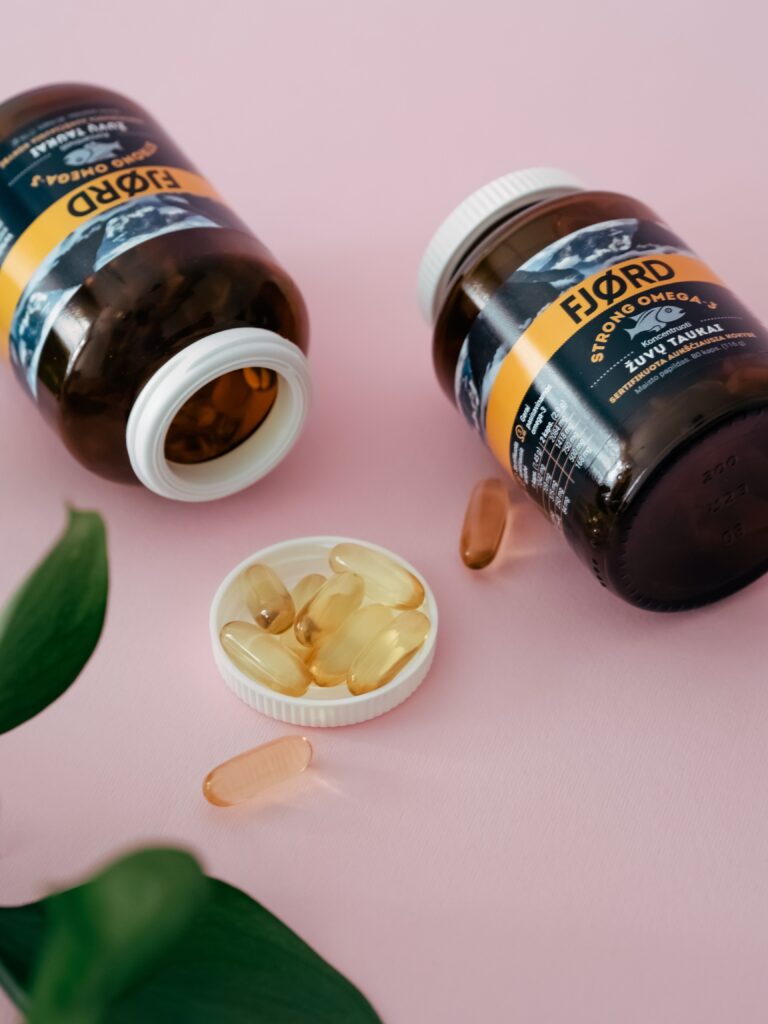
Should You Take a Vitamin Supplement for Iron Deficiency?
Not necessarily.
A vitamin supplement may be useful when a specific vitamin deficiency has been identified or when a healthcare professional recommends supplementation.
However, taking multiple vitamins without knowing what you actually need is not always beneficial.
For example, someone with iron-deficiency anemia may need iron rather than a general multivitamin.
Someone with vitamin B12 deficiency may require B12 treatment.
Another person may have anemia caused by infection, inflammation, blood loss, or an inherited condition.
The right treatment depends on the cause.
When Should You Get Tested for Iron Deficiency?
If you have ongoing symptoms such as unusual tiredness, weakness, dizziness, headaches, or shortness of breath, it is worth discussing them with a healthcare professional.
A blood test can help determine whether anemia is present.
Additional tests may be needed to investigate whether iron deficiency, vitamin deficiency, blood loss, infection, inflammation, or another condition is responsible.
WHO emphasizes that anemia has multiple causes and that accurate assessment is important for appropriate care.
Who May Be More at Risk of Iron Deficiency?
Certain groups have higher iron requirements or may experience greater iron losses.
These can include:
- Growing children and adolescents
- People who experience heavy menstrual bleeding
- Pregnant women
- People with diets low in iron
- People with conditions that affect nutrient absorption
- People who experience ongoing blood loss
WHO identifies growing children, pregnant women, and menstruating women as groups that can have increased risk of iron deficiency and anemia.
Frequently Asked Questions
What is the best vitamin for iron absorption?
Vitamin C is especially helpful because it can improve the absorption of non-heme iron from plant-based foods.
Good sources include citrus fruits, guava, tomatoes, bell peppers, and strawberries.
Does vitamin B12 increase iron levels?
Vitamin B12 is important for healthy red blood cell production, but it does not directly replace iron.
B12 supplementation is most useful when B12 deficiency is present.
Can folic acid treat iron-deficiency anemia?
Folic acid treats folate deficiency, not iron deficiency itself.
If someone has iron-deficiency anemia, the underlying iron deficiency needs to be addressed.
Is vitamin C better than iron supplements?
They serve different purposes.
Vitamin C can help the body absorb dietary iron, while iron supplements provide iron directly.
Whether a person needs an iron supplement depends on their iron status and the advice of a healthcare professional.
Can I get these vitamins from food?
Yes.
Many vitamins involved in healthy blood production can be obtained from a varied diet containing fruits, vegetables, legumes, whole grains, eggs, dairy products, fish, meat, and fortified foods.
Should everyone with anemia take vitamins?
No.
Anemia has many causes, and treatment should be based on the underlying cause.
Taking vitamins without knowing whether you are deficient may not address the actual problem.
Final Thoughts
The best vitamins for supporting healthy blood and iron status include vitamin C, folate, vitamin B12, vitamin A, vitamin B6, and vitamin B2.
However, these nutrients do not all work in the same way, and having anemia does not automatically mean that a person is deficient in every one of them.
Vitamin C is particularly useful because it helps improve the absorption of non-heme iron from plant foods.
Folate and vitamin B12 support normal red blood cell production, while vitamin A and other B vitamins have important roles in blood health and nutrient metabolism.
Most importantly, iron deficiency should be addressed according to its cause.
A nutritious diet can provide many of the vitamins and minerals needed for healthy blood, but confirmed iron-deficiency anemia may require specific treatment.
If you have persistent symptoms or suspect that you may be anemic, appropriate blood testing and professional guidance can help determine what your body actually needs.