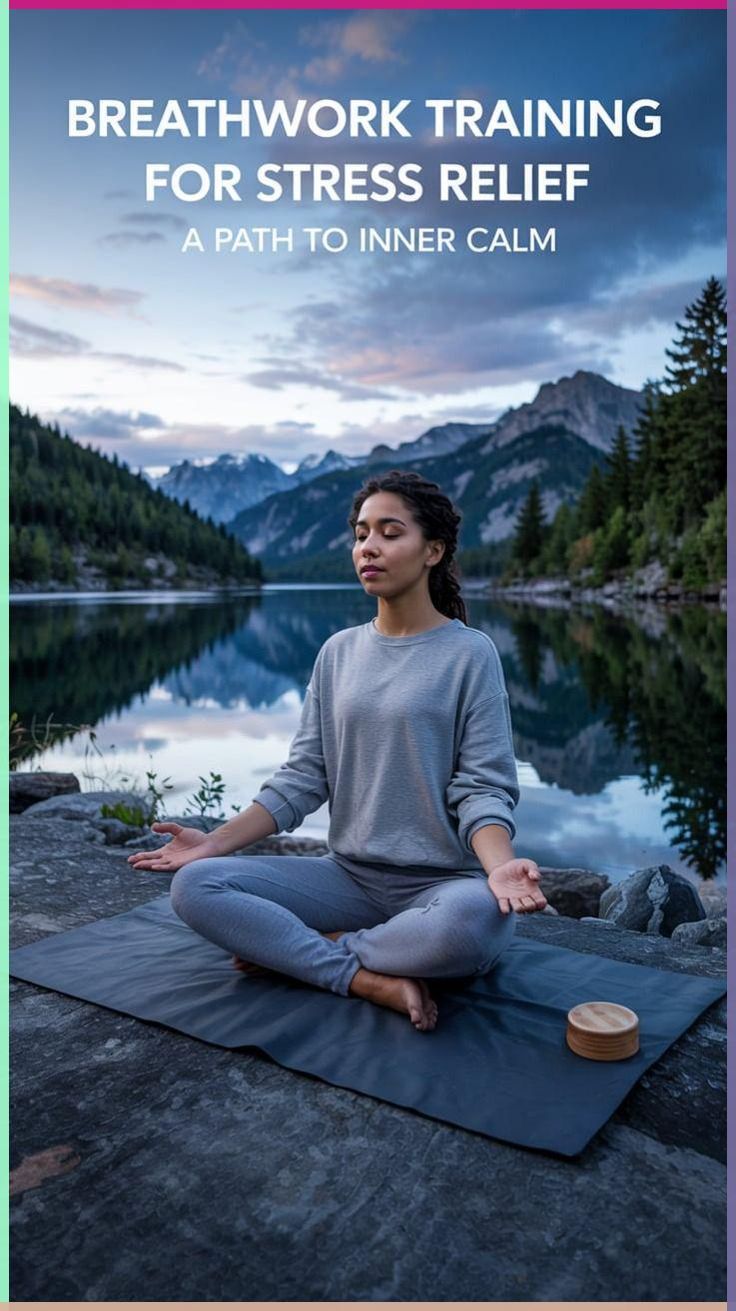
Why Stress Relief Techniques Matter
In today’s fast-paced world, effective stress relief techniques aren’t just helpful—they’re essential for a healthy, balanced life.
Whether you’re overwhelmed at work, facing personal challenges, or simply seeking greater peace, the right stress relief techniques can transform your mind and body.
This ultimate guide explores proven, actionable strategies to reduce stress fast and help you reclaim your sense of well-being.
Understanding Stress: The Modern Epidemic
Stress is more than just an emotional reaction; it’s a biological response that, if left unchecked, can damage your health. Chronic stress has been linked to:
- Heart disease
- Diabetes
- Weakened immune system
- Anxiety and depression
Recognizing stress and applying the best stress relief techniques can help prevent these negative outcomes, improve mental clarity, and enhance your quality of life.
Top 10 Stress Relief Techniques
Let’s dive into the most effective, research-backed stress relief techniques you can start using today.
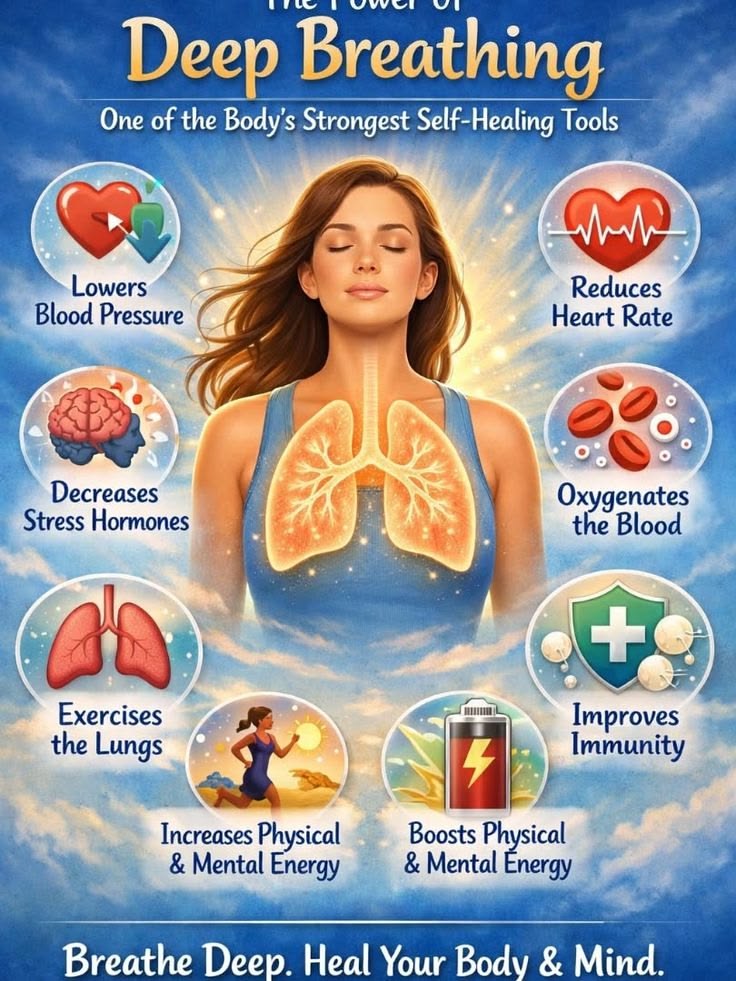
1. Mindful Breathing
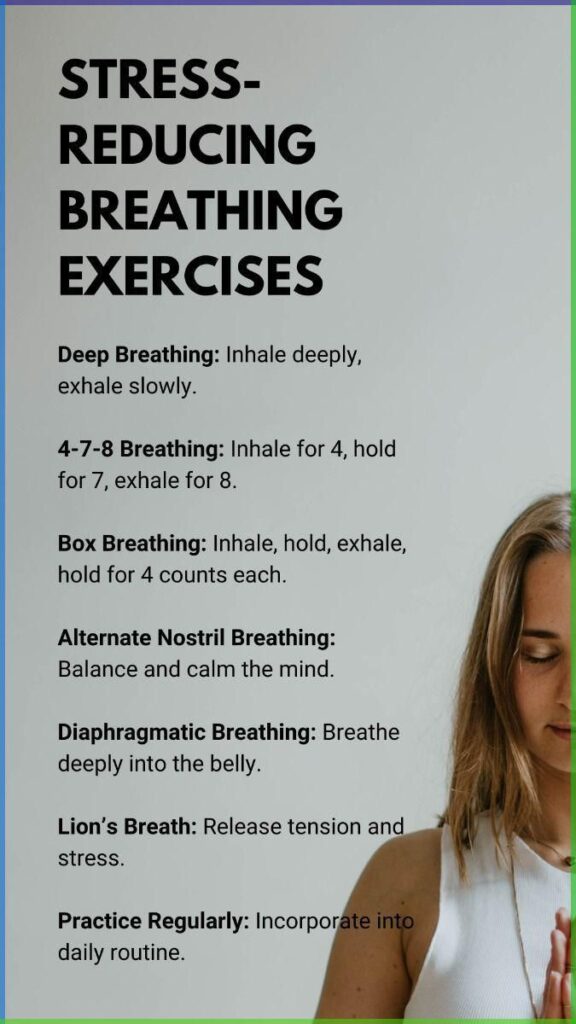
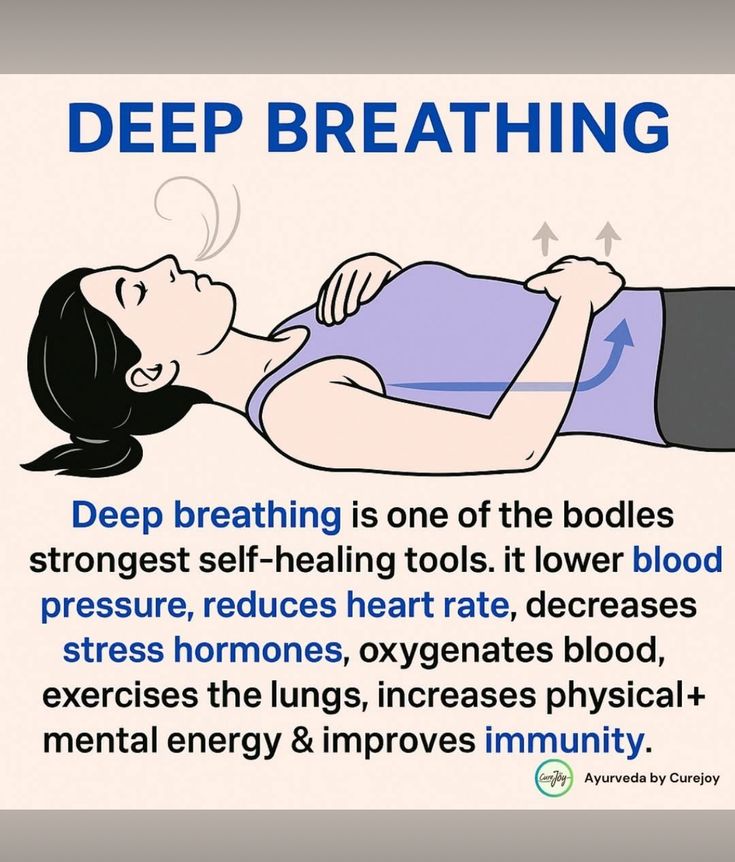
Focusing on your breath instantly calms the nervous system. Try this technique:
- Sit comfortably.
- Inhale deeply through your nose for 4 seconds.
- Hold for 4 seconds.
- Exhale slowly for 6 seconds.
- Repeat for 2–5 minutes.
Mindful breathing reduces cortisol, the body’s main stress hormone, and can be practiced anywhere.
2. Physical Activity
Exercise is a natural stress buster. Activities like:
- Walking
- Jogging
- Yoga
- Dancing
release endorphins, boost mood, and improve sleep. Even a brisk 10-minute walk can make a difference.
3. Meditation
Meditation helps clear your mind and refocus attention. Start with:
- Guided meditations (apps or YouTube)
- Body scan exercises
- Loving-kindness meditation
Regular practice rewires your brain for resilience and calm.
4. Progressive Muscle Relaxation
This technique involves tensing and relaxing muscle groups, which helps relieve physical tension caused by stress. Start at your toes and work upward, holding tension for five seconds, then releasing.
5. Journaling
Writing down your thoughts helps process emotions and identify stress triggers. Try:
- Gratitude journaling
- Freewriting your worries
- Setting goals and intentions
Journaling brings clarity and emotional release.
6. Connecting with Nature
Spending time outdoors has proven benefits for stress relief. Visit a park, walk in the woods, or simply observe the sky. Nature reduces anxiety and restores mental balance.
7. Art Therapy
Creative activities like:
- Drawing
- Painting
- Crafting
allow for emotional expression and relaxation, even if you’re not “artistic.”
8. Laughter Therapy
Laughter reduces stress hormones and boosts your immune system. Watch a funny show, listen to comedy podcasts, or simply share jokes with friends.
9. Digital Detox
Take breaks from screens and social media to reset your mind. Unplug for an hour each day, avoid screens before bed, and prioritize offline activities.
10. Social Support
Connecting with loved ones provides emotional reassurance and perspective. Talk to friends, family, or a counselor when stress feels overwhelming.
How to Choose the Best Stress Relief Techniques for You
Everyone responds differently to stress relief techniques. Consider:
- Your lifestyle: Choose methods that fit your daily routine.
- Personal preferences: Do you prefer active or quiet relaxation?
- Time constraints: Some techniques take just minutes.
- Effectiveness: Track how you feel after each method.
Experiment and combine various techniques for the best results.
Today, women experience some of the highest levels of stress in the world. Women are often closer to family life and spend more time caring for children and managing household responsibilities.
Sometimes, they may not receive enough support from their husbands, which can increase their stress and emotional burden. In addition, children also face stress, especially from school and academic pressures.
When children do not have parents who can help them with their studies, homework, and daily challenges, they may feel overwhelmed. Overall, women are among the most vulnerable to stress because they carry many responsibilities at home and in family life. As a result, many women experience stress and fatigue on a regular basis.
The effectiveness of stress relief techniques is well-documented in scientific literature. For further reading and authority, explore these resources:
- American Psychological Association: Stress Management
- Mayo Clinic: Stress Management
- National Institute of Mental Health: Coping with Stress
What is the fastest way to relieve stress?
Mindful breathing and physical activity are among the quickest stress relief techniques you can use anytime, anywhere.
Can stress relief techniques replace medication?
While these techniques are highly effective for many, always consult a healthcare professional for chronic or severe stress.
How often should I practice stress relief techniques?
Daily practice, even for a few minutes, can dramatically improve your resilience to stress.
Are there stress relief techniques for the workplace?
Yes! Try mindful breathing, short walks, or desk stretches to manage work-related stress.
What if my stress doesn’t improve?
If stress persists, consider speaking with a mental health professional for guidance and support.
Start Your Stress Relief Journey Today
Incorporating effective stress relief techniques into your routine is essential for a healthier, happier life.
Whether you start with mindful breathing, exercise, or another method, the key is consistency
. Explore, experiment, and embrace the techniques that work best for you. Remember, managing stress is not a luxury—it’s a necessity for thriving in today’s world.
5 Strong Advantages of Mindful Meditation for Mental Health in 2024