Breakfast can be more than just a meal that helps you start the day.
For people with anemia, choosing the right combination of foods can be a practical way to add iron, vitamin C, folate, vitamin B12, protein, and other nutrients to the daily diet.
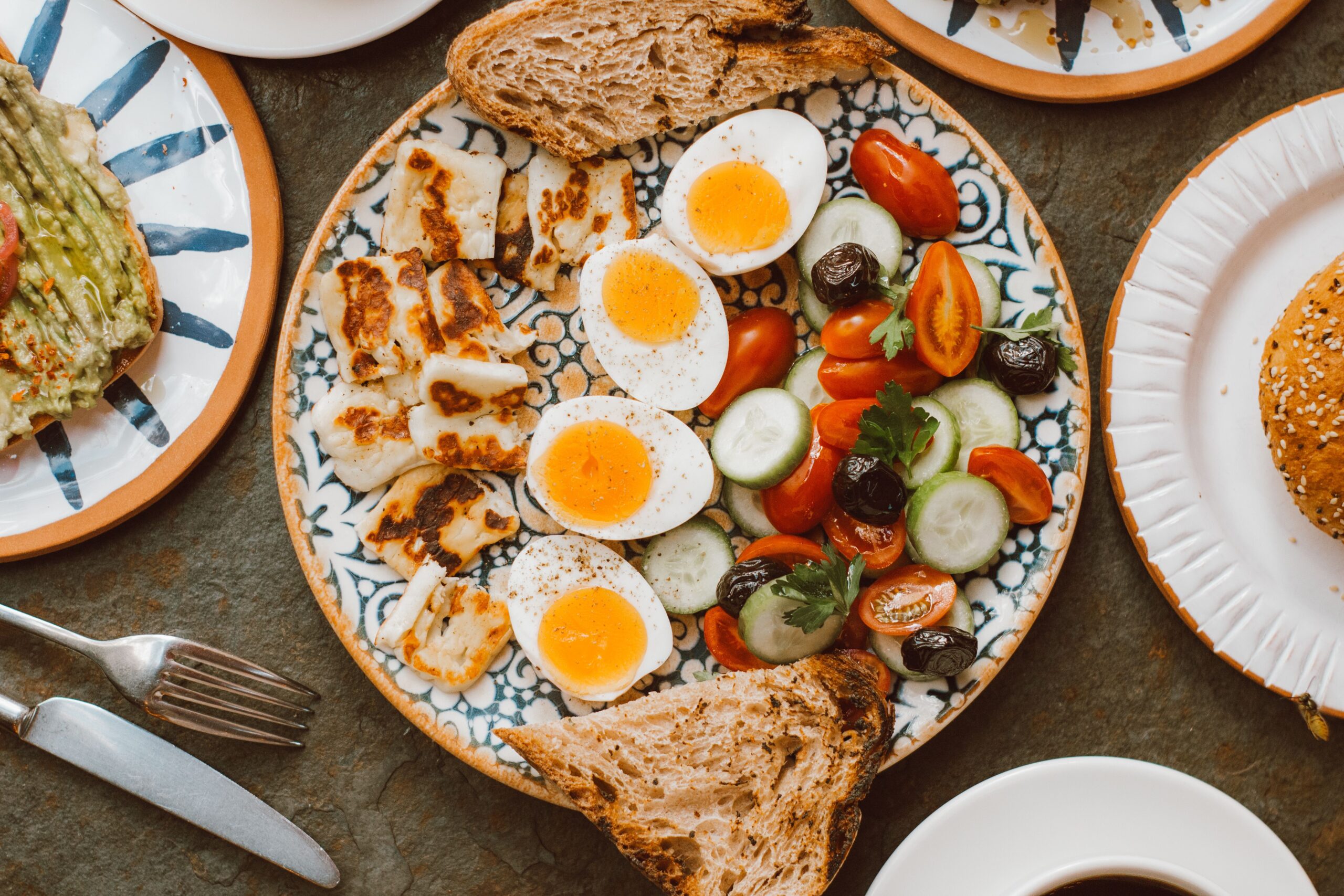
A well-planned breakfast may include foods such as eggs, beans, lentils, fortified cereals, leafy greens, fruit, nuts, seeds, or lean meat, depending on personal preferences and dietary needs.
Iron is particularly important because the body uses it to make hemoglobin, the protein in red blood cells responsible for carrying oxygen around the body.
However, breakfast alone cannot correct every type of anemia.
Anemia can have several causes, including iron deficiency, vitamin deficiencies, infections, chronic conditions, blood loss, and inherited blood disorders.
This means that food choices should be viewed as part of a healthy eating pattern rather than a replacement for medical evaluation.
If anemia has been diagnosed or symptoms such as unusual tiredness, dizziness, weakness, or shortness of breath are persistent, identifying the underlying cause is important.
1. Iron-Fortified Breakfast Cereal With Fresh Fruit
Iron-fortified breakfast cereal can be one of the simplest breakfast choices for someone trying to increase dietary iron.
Some cereals and breads have iron added during processing, making them useful sources of this mineral.
Pairing a fortified cereal with fruit containing vitamin C can make the meal more useful because vitamin C helps the body absorb non-heme iron found in plant foods and fortified products.
Try adding strawberries, oranges, kiwi, mango, papaya, or another vitamin-C-rich fruit to your bowl.
Check the nutrition label when choosing cereal because iron levels can vary considerably between products.
2. Eggs With Spinach and Tomatoes
Eggs can provide protein and several important nutrients, while spinach contributes iron and folate.
Adding tomatoes creates a useful source of vitamin C and gives the meal additional flavor and freshness.
You can prepare scrambled eggs with chopped spinach and tomatoes or serve a simple vegetable omelet with fruit on the side.
Although plant-based iron is generally absorbed less efficiently than heme iron from animal foods, combining plant foods with vitamin-C-rich ingredients can improve the absorption of non-heme iron.
3. Lentil Breakfast Bowl
Lentils are an excellent plant-based ingredient for a nutrient-dense breakfast.
They contain iron, protein, fiber, and other nutrients that can contribute to a balanced eating pattern.
A breakfast bowl can be made with cooked lentils, tomatoes, leafy vegetables, and a small portion of another preferred grain or bread.
Adding lemon juice or fresh fruit can provide vitamin C alongside the meal.
This combination is especially useful for people who do not regularly eat meat or other animal foods.
https://www.who.int/news-room/fact-sheets/detail/anaemia?utm_source=chatgpt.com
4. Whole-Grain Toast With Bean Spread
Beans can turn ordinary toast into a more substantial breakfast.
White beans, kidney beans, and other legumes provide non-heme iron and can also contribute protein and fiber.
Mash cooked beans with tomatoes, herbs, or other vegetables and spread the mixture over toast.
For better iron absorption, include a vitamin-C-rich food such as tomato, orange, or another suitable fruit or vegetable.
If you regularly eat tea or coffee with breakfast, consider having them separately from your main iron-rich meal because these drinks can reduce iron absorption.
5. Oatmeal With Berries and Seeds
Oatmeal can be a convenient breakfast, particularly when it is combined with nutrient-rich toppings.
Seeds and nuts can add iron, protein, healthy fats, and other minerals, while berries can provide vitamin C and natural sweetness.
Pumpkin seeds are one option that can be sprinkled over oatmeal.
However, because some components of whole grains can interfere with iron absorption, the overall meal combination matters.
Adding vitamin-C-rich fruit is a simple way to make a plant-based breakfast more supportive of iron absorption.
6. Bean and Vegetable Breakfast Wrap
A breakfast wrap filled with beans and vegetables can provide a balanced combination of plant-based iron, carbohydrates, protein, and vitamins.
Fill a suitable flatbread with cooked beans, tomatoes, spinach, peppers, and other vegetables you enjoy.
A squeeze of lemon can add a fresh taste while contributing vitamin C.
This type of breakfast is also flexible because ingredients can be changed according to availability and cultural food preferences.
The goal is not to create a complicated meal but to combine iron-containing foods with ingredients that support nutrient absorption.
7. Eggs With Lean Meat and Vegetables
For people who eat animal products, eggs combined with a small serving of lean meat and vegetables can provide a nutrient-rich start to the day.
Meat, poultry, and seafood contain heme iron, which is generally absorbed more efficiently than non-heme iron found in plant foods.
Adding tomatoes, peppers, or other vegetables can increase the vitamin and mineral content of the meal.
Keeping the portion balanced with vegetables and a suitable carbohydrate source can make this breakfast both satisfying and nutritious.
8. Chickpea and Tomato Breakfast Salad
Chickpeas can be used in more ways than traditional lunch or dinner dishes.
A simple breakfast salad made with chickpeas, tomatoes, cucumber, leafy greens, and lemon can provide iron, protein, fiber, and vitamin C.
Tomatoes and lemon are particularly useful additions because vitamin C can help improve the absorption of non-heme iron.
This option is also convenient for people who prefer a savory breakfast rather than a sweet meal.
9. Fortified Bread With Peanut Butter and Fruit
Fortified bread may contribute iron when iron has been added during production, while peanut butter provides protein and other nutrients.
Add sliced fruit on the side to make the breakfast more varied.
Choosing an orange, strawberries, kiwi, or another vitamin-C-rich fruit can complement the meal.
When buying packaged bread or peanut butter, checking the nutrition label can help you understand what nutrients the product actually provides rather than assuming that every variety has the same nutritional value.
https://www.who.int/health-topics/micronutrients?utm_source=chatgpt.com
10. Tofu and Vegetable Scramble
Tofu can be a useful protein source for people following a vegetarian or mostly plant-based eating pattern.
A breakfast scramble made with tofu, spinach, tomatoes, and peppers can provide a mixture of protein, iron, and vitamins.
Adding a vitamin-C-rich vegetable or fruit alongside the meal can support the absorption of plant-based iron.
The exact nutrient content varies by tofu type and brand, so nutrition labels can be helpful when comparing products.
11. Black Bean and Tomato Toast
Black beans and tomatoes make a simple combination for a savory breakfast.
Spread or mash cooked black beans over toast and top them with chopped tomatoes and herbs.
Beans contribute iron and other nutrients, while tomatoes add vitamin C.
You can also include leafy greens or another vegetable to increase the variety of the meal.
This breakfast demonstrates an important principle: improving an anemia-friendly meal does not always require expensive or unusual ingredients.
12. Fruit and Seed Breakfast Bowl
A fruit bowl can become more nutritious when it includes seeds, nuts, and another iron-containing ingredient.
Pumpkin seeds, for example, can be added to a bowl containing strawberries, mango, papaya, or citrus fruit.
The fruit provides vitamin C, while the seeds add minerals and protein.
If the meal is too light on its own, pair it with eggs, fortified bread, or another protein-containing food to create a more complete breakfast.
13. Sardines or Fish With Whole-Grain Bread
Fish can provide heme iron as well as protein and other important nutrients.
Sardines or another suitable fish can be served with bread and vegetables for a savory breakfast.
Adding tomatoes or another vitamin-C-rich vegetable can complement the meal.
Fish is also useful for people who want an alternative to red meat.
However, nutritional content differs between fish species and preparations, so choosing a varied diet is generally more useful than depending on one food alone.
14. Breakfast With Beans, Greens, and Fresh Orange
A combination of beans, dark leafy greens, and orange provides several nutrients that are relevant to a healthy diet.
Beans and leafy vegetables can contribute iron, while orange supplies vitamin C.
Vitamin C can help the body make better use of non-heme iron in the meal.
This is a particularly practical combination when fresh ingredients are available locally.
It can be served as a warm bean-and-greens dish with orange on the side rather than mixed together.
15. Iron-Fortified Bread With Egg and Tomato
For a quick breakfast, combine an iron-fortified slice of bread with an egg and fresh tomato.
This meal brings together a fortified grain product, protein, and a vitamin-C-containing vegetable.
It can be prepared quickly and adjusted with additional vegetables if desired.
When selecting bread, look at the nutrition information rather than assuming that all breads provide meaningful amounts of iron.
Fortification can vary between products and countries.
16. Simple Lentil and Vegetable Soup for Breakfast
Breakfast does not have to be sweet. A warm bowl of lentil soup can be a nourishing option, particularly for people who prefer savory foods in the morning.
Lentils provide plant-based iron and protein, while vegetables such as tomatoes and peppers can contribute vitamin C.
Preparing a batch in advance can also make breakfast easier on busy mornings.
Keeping the recipe simple allows you to use affordable ingredients without sacrificing nutritional variety.
https://www.unicef.org/nutrition?utm_source=chatgpt.com
17. How to Improve Iron Absorption at Breakfast
The foods you combine can matter almost as much as the individual ingredients.
Vitamin C is one of the most useful additions to a meal containing non-heme iron.
Citrus fruits, tomatoes, peppers, berries, mango, and several other fruits and vegetables can provide vitamin C.
On the other hand, tea, coffee, cocoa, and calcium-rich foods can interfere with iron absorption when consumed with an iron-rich meal.
This does not mean these foods must be eliminated from the diet; spacing them away from an iron-focused breakfast can be a more practical approach.
18. Should You Drink Tea or Coffee With Breakfast?
Tea and coffee are common breakfast beverages, but they may not be the best choice to drink at the same time as an iron-focused meal.
Certain compounds in these drinks can reduce the amount of iron absorbed from food.
If breakfast contains beans, fortified cereal, leafy greens, or another significant iron source, consider choosing water or a fruit-based beverage instead and having tea or coffee at a different time.
This simple change may help preserve the nutritional value of an iron-rich meal without requiring you to completely stop drinking these beverages.
19. What About Milk and Calcium?
Calcium is an important nutrient for bones and overall health, but it can interfere with iron absorption when consumed together with an iron-rich meal.
This is particularly relevant when someone is deliberately building meals around iron. The goal is not to avoid calcium-containing foods altogether.
Instead, people who have been advised to increase iron intake can discuss meal timing with a healthcare professional and consider separating calcium supplements from iron supplements when appropriate.
WHO specifically advises taking calcium and iron supplements at different times.
20. Affordable Breakfast Ideas for Anemia
Eating for better nutrition does not necessarily require expensive foods.
Beans, lentils, eggs, leafy vegetables, tomatoes, seasonal fruits, fortified grains, and seeds can all be incorporated into affordable meals depending on what is available locally.
A simple plate containing beans, vegetables, and fruit may provide a useful mixture of iron and vitamin C.
Planning several inexpensive breakfast combinations in advance can make it easier to eat consistently rather than relying on highly processed foods every morning.
21. Breakfast Ideas for Vegetarians
Vegetarians can still build breakfasts that provide iron and other nutrients.
Lentils, beans, chickpeas, tofu, fortified cereals, seeds, nuts, leafy greens, and other plant foods can contribute iron.
Because most plant-based iron is non-heme iron, pairing these foods with vitamin-C-rich fruits or vegetables can be especially helpful.
A vegetarian breakfast might include fortified cereal with fruit, lentil toast with tomatoes, or chickpeas with vegetables and lemon.
22. Breakfast Ideas for People Who Eat Meat
People who eat meat have additional options for including heme iron at breakfast.
Lean meat, poultry, or fish can be combined with eggs, vegetables, and a suitable grain or bread.
Heme iron from animal foods is generally absorbed more efficiently than non-heme iron from plant foods.
Even so, adding fruits and vegetables remains valuable because a varied diet provides a broader range of vitamins, minerals, and other beneficial nutrients.
23. Foods to Limit Around an Iron-Focused Breakfast
There is an important difference between “limit around the meal” and “never eat.”
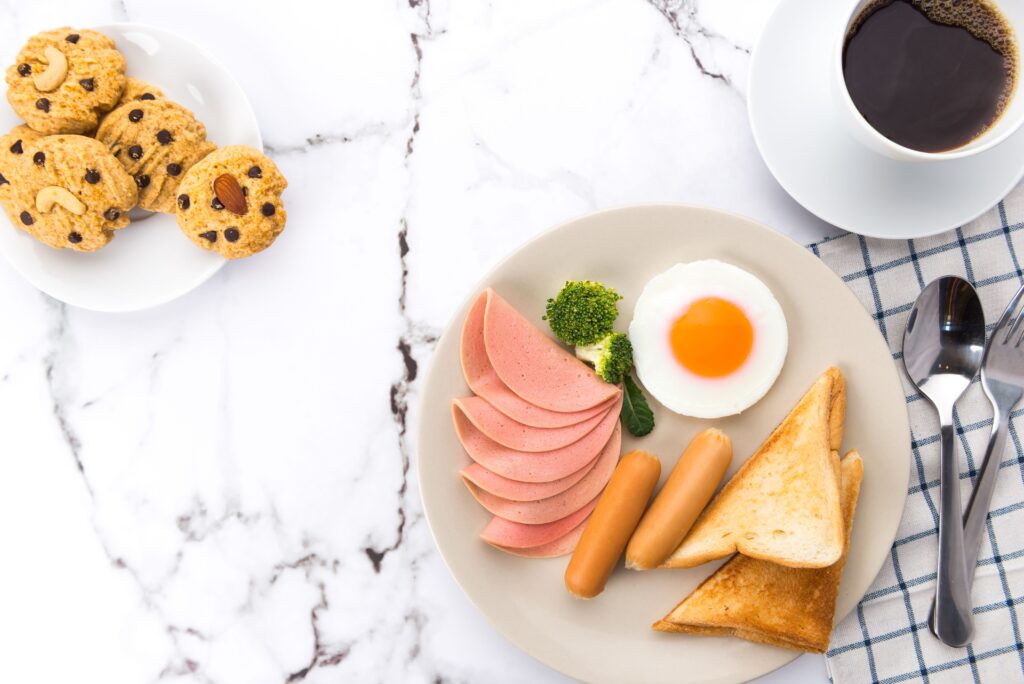
Tea, coffee, cocoa, bran-heavy foods, and calcium-rich foods can reduce iron absorption when consumed alongside iron-rich foods.
Rather than removing nutritious foods from the diet, it can be more practical to change when they are consumed.
For example, an iron-rich breakfast could be followed later by tea or coffee.
This approach allows people to maintain dietary variety while paying attention to factors that affect iron absorption.
24. Can Breakfast Cure Anemia?
A nutritious breakfast can support a healthy diet, but it should not be described as a cure for anemia.
Anemia is a medical condition with many possible causes, and treatment depends on what is responsible.
Iron deficiency may benefit from increased dietary iron and, when recommended by a healthcare professional, iron supplementation.
Other forms of anemia may require completely different treatment.
For this reason, anyone with persistent symptoms or confirmed anemia should seek appropriate medical advice rather than relying only on food changes.

25. When to Speak With a Healthcare Professional
Persistent tiredness, weakness, dizziness, headaches, or shortness of breath can occur with anemia, but these symptoms can also have other causes.
Blood testing is generally needed to determine whether someone is anemic and to investigate the underlying reason.
This is particularly important when symptoms are significant, when there is heavy menstrual bleeding, during pregnancy, or when there may be an infection or another health condition contributing to anemia.
WHO emphasizes that anemia should be evaluated in relation to its underlying cause rather than treated as a single condition.
Final Thoughts
The best breakfast ideas for people with anemia are not based on one magical ingredient.
A more useful strategy is to build meals around iron-containing foods and then add ingredients that help the body use that iron effectively.
Beans, lentils, fortified cereals, eggs, lean meat, fish, leafy greens, seeds, and other nutrient-rich foods can all have a place in a balanced breakfast.
Adding vitamin-C-rich fruits or vegetables is another simple way to support the absorption of non-heme iron.
At the same time, breakfast should be considered one part of the overall diet rather than the entire solution.
Because anemia can result from nutritional deficiencies, blood loss, infections, chronic diseases, or inherited conditions, identifying the cause is essential.
A varied diet can support good nutrition, but people with diagnosed or suspected anemia should follow advice from a qualified healthcare professional, especially if symptoms are persistent or severe.


