Iron deficiency and vitamin B12 deficiency are two of the most common nutritional deficiencies worldwide, affecting millions of people across all age groups. Although both conditions can lead to anemia and cause symptoms such as fatigue, weakness, and reduced physical performance, they are distinct disorders with different causes, health effects, and treatment approaches. Understanding the differences between these deficiencies is essential for recognizing symptoms early and ensuring appropriate medical care.
Iron is a vital mineral that helps the body produce hemoglobin, the protein in red blood cells responsible for transporting oxygen to tissues and organs. Vitamin B12, on the other hand, is an essential nutrient required for healthy red blood cell formation, proper nerve function, and DNA synthesis. When the body lacks either of these nutrients, normal blood cell production is disrupted, resulting in anemia and a range of physical and neurological symptoms that can significantly affect quality of life.
Although iron deficiency anemia and vitamin B12 deficiency anemia may appear similar, they differ in several important ways. Iron deficiency is commonly caused by inadequate dietary intake, blood loss, or poor absorption, while vitamin B12 deficiency often results from malabsorption, certain medical conditions, or insufficient intake of animal-based foods. In addition, vitamin B12 deficiency can cause nerve damage and cognitive changes, symptoms that are not typically associated with iron deficiency.
This article explores the key differences between iron deficiency and vitamin B12 deficiency, including their causes, symptoms, diagnosis, treatment options, and prevention strategies. By understanding how these conditions differ, readers can make informed decisions about their nutrition, recognize warning signs earlier, and seek timely medical advice to maintain optimal health and well-being.
Causes
Iron Deficiency
Iron deficiency is caused by a variety of factors that reduce the body’s iron stores or increase its iron needs.
The following are some of the most common causes of iron deficiency.
- Inadequate Dietary Intake
Inadequate dietary intake is one of the most common causes of iron deficiency, especially in people whose diets do not include enough iron-rich foods.
The body depends on a regular supply of iron from food to produce hemoglobin, which carries oxygen throughout the body.
When daily iron intake is consistently too low, iron stores gradually become depleted, increasing the risk of iron deficiency and iron deficiency anemia.
People who consume limited amounts of meat, poultry, seafood, or other iron-rich foods may be more likely to develop iron deficiency if they do not replace these nutrients with plant-based iron sources.
While foods such as beans, lentils, spinach, tofu, fortified cereals, and pumpkin seeds contain iron, the type of iron found in plant foods (non-heme iron) is absorbed less efficiently than the heme iron found in animal products.
Certain eating patterns can also contribute to inadequate iron intake.
Highly processed diets, restrictive weight-loss plans, and unbalanced diets that lack nutrient-dense foods may not provide enough iron to meet the body’s daily needs.
Children, adolescents, pregnant women, and people following vegetarian or vegan diets should pay particular attention to consuming sufficient iron from appropriate food sources.
Maintaining a balanced diet that includes a variety of iron-rich foods is one of the most effective ways to prevent iron deficiency.
Pairing plant-based iron sources with vitamin C-rich foods, such as oranges, strawberries, tomatoes, or bell peppers, can significantly improve iron absorption.
Eating a well-balanced, nutrient-rich diet helps maintain healthy iron levels and supports overall health.
- Increased Iron Needs
Increased iron needs occur when the body requires more iron than usual to support growth, development, or other physiological changes.
If these higher iron demands are not met through diet or supplements when necessary, the body’s iron stores can gradually become depleted, increasing the risk of iron deficiency and iron deficiency anemia.
Pregnancy is one of the most common situations in which iron requirements rise significantly. During pregnancy, the body needs additional iron to support the growing fetus, placenta, and the mother’s increased blood volume.
Without adequate iron intake, pregnant women are at a higher risk of developing iron deficiency, which may increase the likelihood of complications for both the mother and the baby.
Rapid growth during infancy, childhood, and adolescence also increases the body’s need for iron.
As children and teenagers grow, they produce more blood and develop new tissues, requiring additional iron to support these processes.
Adolescent girls may have even greater iron needs because of menstrual blood loss combined with the demands of growth.
People who engage in intense physical activity may also require more iron to replace losses and support oxygen transport to working muscles.
Endurance athletes, in particular, can experience increased iron requirements due to factors such as heavy training, sweating, and the breakdown of red blood cells during exercise.
Meeting these increased iron needs through a balanced diet and, when recommended by a healthcare provider, appropriate supplementation can help maintain healthy iron levels and overall well-being.
- Blood Loss
Blood loss is one of the leading causes of iron deficiency because iron is lost whenever the body loses blood.
Since iron is an essential component of red blood cells, ongoing or significant blood loss can gradually reduce the body’s iron stores.
If these losses are not replaced through diet or treatment, iron deficiency and eventually iron deficiency anemia may develop.
Heavy menstrual bleeding is a common cause of iron deficiency in women of reproductive age. Women who experience prolonged or unusually heavy periods lose more blood each month, which increases their iron requirements.
Without sufficient dietary iron or supplementation when needed, the body may struggle to replace these losses, leading to depleted iron stores over time.
Bleeding from the digestive tract is another important source of iron loss.
Conditions such as stomach ulcers, colorectal polyps, inflammatory bowel disease, hemorrhoids, or gastrointestinal cancers can cause chronic blood loss, sometimes without obvious symptoms.
Long-term use of certain medications, including nonsteroidal anti-inflammatory drugs (NSAIDs), may also increase the risk of gastrointestinal bleeding and contribute to iron deficiency.
Injuries, surgery, frequent blood donation, and other forms of significant blood loss can also lower iron levels.
Identifying and treating the underlying cause of blood loss is essential for restoring healthy iron stores and preventing the deficiency from recurring.
Healthcare providers may recommend blood tests, dietary changes, iron supplements, or other treatments depending on the severity and source of the blood loss.
- Poor Absorption
Poor absorption occurs when the body is unable to absorb enough iron from the foods and supplements a person consumes.
Even if dietary iron intake is adequate, certain medical conditions, digestive disorders, or surgical procedures can interfere with the body’s ability to absorb iron efficiently.
Over time, this reduced absorption can lead to iron deficiency and, if left untreated, iron deficiency anemia.
Several gastrointestinal conditions can impair iron absorption.
Disorders such as celiac disease, inflammatory bowel disease (including Crohn’s disease), and chronic gastritis can damage the lining of the digestive tract, reducing the body’s ability to absorb nutrients.
In addition, stomach or intestinal surgeries, such as gastric bypass surgery, may decrease the amount of iron the body can absorb because part of the digestive system has been altered or removed.
Certain medications and dietary factors can also affect iron absorption.
Long-term use of proton pump inhibitors (PPIs) or other acid-reducing medications can lower stomach acid levels, making it more difficult to absorb non-heme iron from plant-based foods. Consuming large amounts of calcium, tea, coffee, or high-fiber foods at the same time as iron-rich meals may also reduce iron absorption, although these effects can often be minimized by adjusting meal timing.
Managing poor iron absorption usually involves treating the underlying condition while improving iron intake.
Healthcare providers may recommend taking iron supplements, choosing easily absorbed iron-rich foods, or combining plant-based iron sources with vitamin C-rich foods to enhance absorption.
In some cases, when oral iron is ineffective or poorly tolerated, intravenous (IV) iron therapy may be necessary to restore healthy iron levels.
Vitamin B12 Deficiency
Several factors can contribute to the development of vitamin B12 deficiency:
- Dietary Shortages
Dietary shortages are one of the causes of vitamin B12 deficiency, particularly in people who do not consume enough vitamin B12-rich foods.
Since vitamin B12 is found naturally in animal-based foods such as meat, fish, eggs, and dairy products, individuals with very limited intake of these foods may gradually develop a deficiency if they do not obtain vitamin B12 from fortified foods or supplements.
People following strict vegan diets are at the highest risk of dietary vitamin B12 deficiency because they avoid all animal-derived foods.
Vegetarians may also be at risk if they consume only small amounts of dairy products or eggs. Without careful meal planning, it can be difficult to meet the body’s vitamin B12 requirements through diet alone.
Vitamin B12 is stored in the liver, so it may take several years for symptoms of deficiency to appear after dietary intake becomes inadequate.
As the body’s stores are gradually depleted, people may experience fatigue, weakness, pale skin, difficulty concentrating, or numbness and tingling in the hands and feet.
Early recognition of these symptoms is important to prevent long-term complications.
Preventing dietary vitamin B12 deficiency involves eating adequate amounts of vitamin B12-rich foods or choosing fortified foods such as breakfast cereals, plant-based milk alternatives, and nutritional yeast.
https://www.unicef.org/nutrition?utm_source=chatgpt.com
For individuals who cannot meet their needs through diet alone, healthcare providers may recommend vitamin B12 supplements to maintain healthy levels and support normal nerve function and red blood cell production.
- Absorption Issue
Absorption issues are one of the most common causes of vitamin B12 deficiency.
Even when a person consumes enough vitamin B12 through food, the body may not absorb it properly.
Vitamin B12 absorption is a complex process that depends on healthy stomach function, adequate production of intrinsic factor, and a properly functioning small intestine.
Problems affecting any part of this process can lead to deficiency.
One of the leading causes of poor vitamin B12 absorption is pernicious anemia, an autoimmune condition in which the body attacks the cells that produce intrinsic factor.
Without intrinsic factor, vitamin B12 cannot be effectively absorbed in the small intestine.
As a result, the body’s vitamin B12 stores gradually decline, increasing the risk of anemia and nerve damage.
Digestive disorders can also interfere with vitamin B12 absorption.
Conditions such as Crohn’s disease, celiac disease, chronic gastritis, and bacterial overgrowth in the small intestine may reduce the body’s ability to absorb this essential vitamin.
In addition, people who have undergone stomach or intestinal surgery, including gastric bypass procedures, may have difficulty absorbing enough vitamin B12 because parts of the digestive system responsible for absorption have been altered or removed.
Treatment for vitamin B12 deficiency caused by absorption issues usually focuses on replacing the vitamin rather than relying on dietary changes alone.
Depending on the severity of the deficiency and its underlying cause, healthcare providers may recommend high-dose oral supplements or vitamin B12 injections.
Early diagnosis and appropriate treatment are important to restore healthy vitamin B12 levels and prevent long-term neurological complications.
- Increased Needs
Increased vitamin B12 needs occur when the body requires more of this essential nutrient to support normal growth, cell production, and overall health.
If these increased demands are not met through diet or supplementation, the body’s vitamin B12 stores may gradually become depleted, increasing the risk of deficiency.
Pregnancy and breastfeeding are periods when vitamin B12 requirements increase.
During pregnancy, vitamin B12 is needed to support the healthy development of the baby’s brain, nervous system, and red blood cells.
Breastfeeding mothers also need sufficient vitamin B12 to ensure that their infants receive adequate amounts through breast milk, especially if the mother’s own vitamin B12 levels are low.
Periods of rapid growth, such as infancy and adolescence, can also increase the body’s need for vitamin B12.
This vitamin plays an essential role in DNA synthesis, cell division, and the production of healthy red blood cells.
Without enough vitamin B12 during these stages of development, normal growth and neurological function may be affected.
Meeting increased vitamin B12 needs requires a balanced diet that includes vitamin B12-rich foods such as meat, fish, eggs, and dairy products or fortified foods for those following plant-based diets.
In some cases, healthcare providers may recommend vitamin B12 supplements, particularly for pregnant women, breastfeeding mothers, older adults, or individuals at higher risk of deficiency, to help maintain healthy vitamin B12 levels.
Symptoms
Common Symptoms
Although both conditions can cause anemia, leading to symptoms such as fatigue, weakness, and pale skin, each deficiency also has its own distinctive signs and health effects:
Iron Deficiency Symptoms
- Brittle Nails
Brittle nails are a common sign of iron deficiency, particularly when the deficiency has been present for a long time.
Iron is essential for delivering oxygen to tissues throughout the body, including the nail bed. When iron levels are low, the nails may become weak, dry, and more likely to crack, split, or break during everyday activities.
As iron deficiency progresses, changes in the appearance of the nails may become more noticeable.
Some people develop thin, fragile nails that grow slowly and chip easily.
In more severe cases, the nails may become spoon-shaped, a condition known as koilonychia, in which the center of the nail becomes slightly concave while the edges curve upward.
Although brittle nails can result from aging, frequent exposure to water or chemicals, or other nutritional deficiencies, persistent nail changes should not be ignored.
When brittle nails occur together with symptoms such as fatigue, pale skin, dizziness, or shortness of breath, they may indicate an underlying iron deficiency that requires medical evaluation.
Treating the underlying iron deficiency often helps improve nail strength and appearance over time.
Eating iron-rich foods, taking iron supplements when recommended by a healthcare provider, and addressing the cause of low iron levels can support healthy nail growth.
Because nails grow slowly, it may take several months before noticeable improvements are seen after treatment begins.
- Cravings for Non-Food Items
Cravings for non-food items, a condition known as pica, can be an unusual but important sign of iron deficiency.
People with pica feel a strong urge to eat or chew substances that have no nutritional value, such as ice, clay, dirt, chalk, paper, or starch.
Although the exact reason for this behavior is not fully understood, it is frequently associated with iron deficiency, especially when the deficiency is severe or long-lasting.
One of the most common forms of pica linked to iron deficiency is pagophagia, which is the compulsive craving for ice.
Many people with iron deficiency report chewing ice regularly, and this craving often improves or disappears after iron levels are restored.
Healthcare providers may consider persistent ice cravings an important clue when evaluating someone for iron deficiency.
While pica itself is not always harmful, eating certain non-food substances can pose serious health risks.
Consuming materials such as dirt or clay may expose a person to harmful bacteria, parasites, or toxic substances.
In addition, these materials can interfere with nutrient absorption or cause digestive problems, making it even more important to identify and treat the underlying cause.
Treatment focuses on correcting the iron deficiency through dietary improvements, iron supplements, or other medical interventions, depending on the cause.
As iron levels return to normal, cravings for non-food items often decrease or disappear completely.
Anyone experiencing persistent cravings for non-food substances should consult a healthcare provider for proper evaluation and treatment.
- Restless Leg Syndrome
Restless leg syndrome (RLS) is a neurological condition that causes an uncomfortable urge to move the legs, particularly during periods of rest or inactivity.
The symptoms often become more noticeable in the evening or at night, making it difficult to relax or fall asleep.
Although the exact cause is not always known, iron deficiency is a well-recognized risk factor for developing restless leg syndrome.
People with restless leg syndrome often describe sensations such as tingling, crawling, itching, pulling, or aching deep within the legs.
These uncomfortable feelings are usually relieved temporarily by walking, stretching, or moving the legs.
Because symptoms frequently occur at bedtime, many individuals experience poor sleep quality, frequent awakenings, and daytime fatigue.
Iron plays an important role in supporting normal brain function, including the production of dopamine, a neurotransmitter involved in controlling muscle movement.
Low iron levels in the brain may disrupt dopamine activity, contributing to the development or worsening of restless leg syndrome.
For this reason, healthcare providers often check iron levels in people who experience persistent RLS symptoms.
When iron deficiency is identified as the underlying cause, treating the deficiency may significantly reduce or eliminate restless leg syndrome symptoms.
Increasing iron intake through diet, taking iron supplements under medical supervision, and addressing the cause of low iron levels can improve both sleep quality and overall well-being.
In some cases, additional treatments may be needed if symptoms continue despite correcting the iron deficiency.
Vitamin B12 Deficiency Symptoms
- Neurological Issues
Neurological issues are one of the most significant symptoms of vitamin B12 deficiency.
Unlike iron deficiency, vitamin B12 deficiency can directly affect the nervous system because the vitamin is essential for maintaining healthy nerve cells and the protective myelin sheath that surrounds nerves.
Without enough vitamin B12, nerve function can become impaired, leading to a variety of neurological symptoms.
Common neurological symptoms include numbness, tingling, or a “pins and needles” sensation in the hands and feet.
Some people may also experience muscle weakness, poor balance, difficulty walking, or reduced coordination.
These symptoms often develop gradually and may become more severe if the deficiency is left untreated.
Vitamin B12 deficiency can also affect brain function.
Individuals may have difficulty concentrating, memory problems, confusion, or slower thinking.
In more advanced cases, the deficiency may contribute to mood changes such as depression or irritability, and in severe cases, long-term neurological damage may occur if treatment is delayed.
Early diagnosis and treatment are essential to prevent permanent nerve damage.
Healthcare providers typically treat vitamin B12 deficiency with oral supplements or vitamin B12 injections, depending on the underlying cause.
Restoring healthy vitamin B12 levels can improve many neurological symptoms, especially when treatment begins before significant nerve damage has occurred.
- Glossitis
Glossitis is a condition characterized by inflammation of the tongue and is a common symptom of vitamin B12 deficiency.
When vitamin B12 levels are too low, the normal production and repair of cells lining the tongue are disrupted.
As a result, the tongue may become swollen, smooth, red, and tender, making everyday activities such as eating and speaking uncomfortable.
People with glossitis often notice that the small bumps on the surface of the tongue, known as papillae, gradually disappear.
This gives the tongue a smooth and shiny appearance.
In addition to soreness, some individuals may experience a burning sensation, increased sensitivity to hot or spicy foods, or changes in their sense of taste.
Although glossitis can also be caused by infections, allergies, or other nutritional deficiencies such as folate or iron deficiency, persistent tongue inflammation should be evaluated by a healthcare provider.
When glossitis occurs alongside symptoms such as fatigue, numbness, tingling, or memory problems, vitamin B12 deficiency may be an underlying cause.
Treating the vitamin B12 deficiency is the most effective way to resolve glossitis when it is caused by low vitamin B12 levels.
Depending on the severity and cause of the deficiency, treatment may include oral vitamin B12 supplements or injections.
As vitamin B12 levels return to normal, the tongue usually heals, and symptoms gradually improve over time.
- Mouth Ulcers
Mouth ulcers are a possible symptom of vitamin B12 deficiency and may develop when the body’s vitamin B12 levels become too low.
Vitamin B12 is essential for healthy cell growth and tissue repair, including the delicate lining of the mouth.
When a deficiency occurs, the tissues inside the mouth may become more vulnerable to irritation and damage, leading to the formation of painful ulcers.
These ulcers usually appear as small, round, or oval sores with a white or yellow center and a red border.
They may develop on the inside of the cheeks, lips, gums, or under the tongue.
Mouth ulcers can make everyday activities such as eating, drinking, brushing the teeth, and speaking uncomfortable, especially when consuming spicy, salty, or acidic foods.
Although mouth ulcers can have many causes, including minor injuries, stress, infections, or other nutritional deficiencies, recurring or persistent ulcers may indicate an underlying vitamin B12 deficiency.
When mouth ulcers occur together with symptoms such as fatigue, weakness, glossitis, numbness, or tingling in the hands and feet, further medical evaluation may be needed to identify the cause.
Treating vitamin B12 deficiency often helps reduce the frequency and severity of mouth ulcers. Healthcare providers may recommend vitamin B12 supplements or injections, depending on the underlying cause of the deficiency.
Maintaining good oral hygiene, eating a balanced diet, and addressing any nutritional deficiencies can also support healing and help prevent future ulcers.
Diagnosis
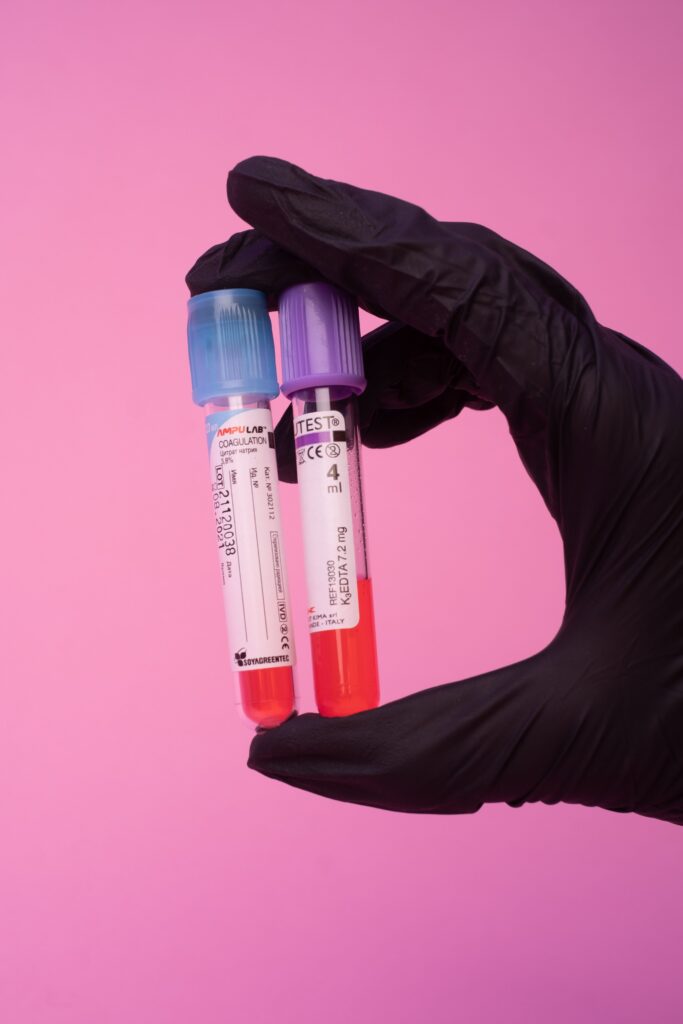
Diagnosing iron deficiency and vitamin B12 deficiency typically requires a combination of laboratory tests and a clinical evaluation.
Healthcare providers commonly order a complete blood count (CBC), along with blood tests to measure iron, ferritin, and vitamin B12 levels.
They may also review the patient’s symptoms, dietary intake, medical history, and any underlying health conditions to identify the cause of the deficiency and determine the most appropriate treatment plan.
Treatment
Iron Deficiency Treatment
- Dietary Changes
Dietary changes play an important role in managing and preventing iron deficiency by helping the body receive enough iron from daily meals.
A balanced diet that includes a variety of iron-rich foods can support the production of healthy red blood cells and gradually improve iron stores.
Making consistent food choices is especially important for individuals who are at higher risk of iron deficiency.
Early Recognition Including foods that are naturally high in iron is one of the most effective dietary strategies. Heme iron, which is found in animal-based foods such as red meat, poultry, and seafood, is absorbed more easily by the body.
Non-heme iron, found in plant-based foods such as beans, lentils, spinach, tofu, nuts, and fortified cereals, can also contribute to healthy iron levels when consumed regularly.
Combining iron-rich foods with vitamin C sources can significantly improve the absorption of non-heme iron.
Foods such as oranges, strawberries, tomatoes, and bell peppers help the body absorb more iron from plant-based meals.
On the other hand, certain substances like tea, coffee, and large amounts of calcium consumed with iron-rich meals may reduce iron absorption and should be separated from iron-focused meals when possible.
Adopting healthy eating habits and maintaining a nutrient-dense diet can help prevent future iron deficiency.
Planning balanced meals that include adequate iron, protein, and essential vitamins supports overall health and energy levels.
For individuals with significant iron deficiency, dietary changes may be combined with iron supplements or medical treatment as recommended by a healthcare provider.
- Iron Supplements
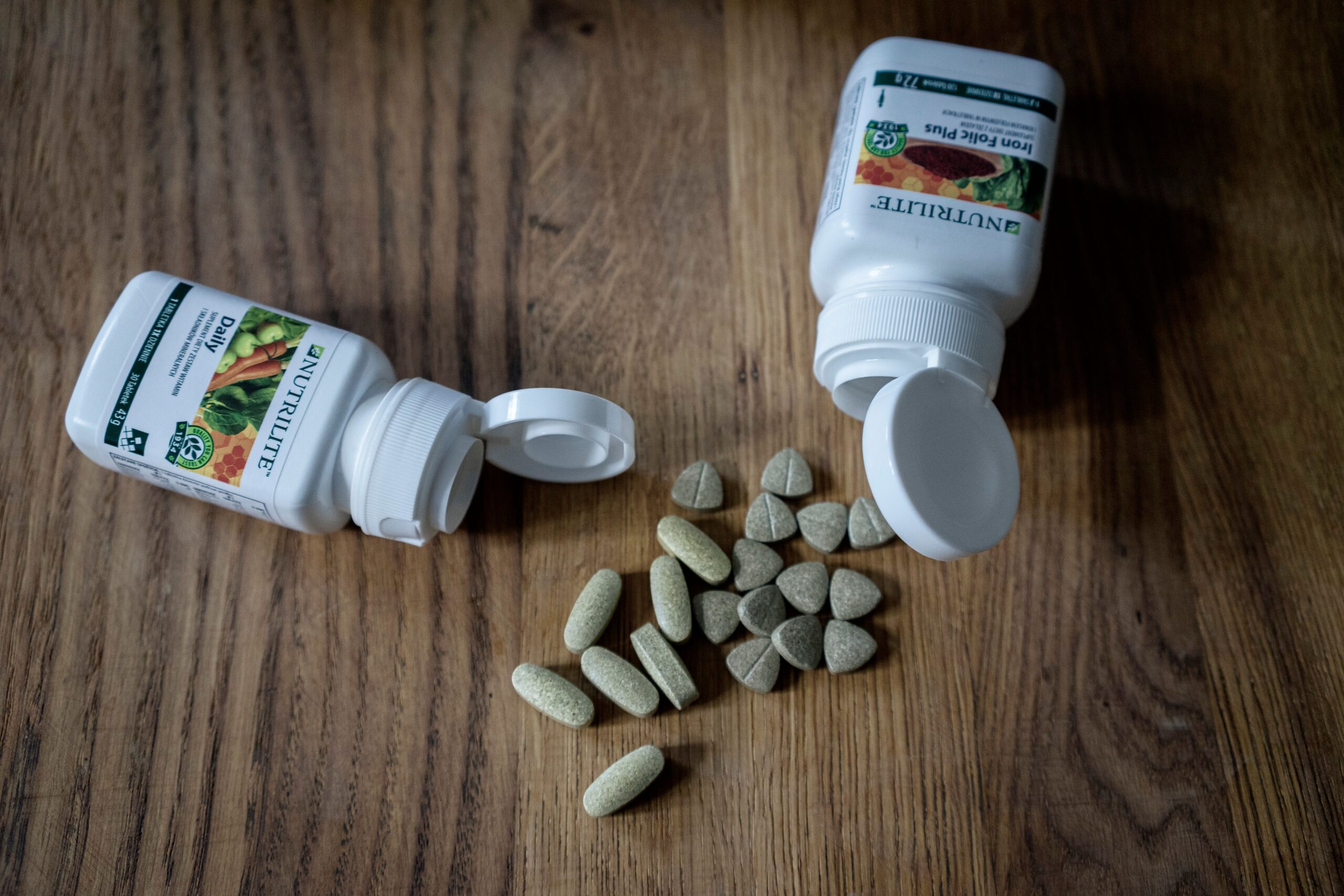
Iron supplements are commonly used to treat iron deficiency when dietary changes alone are not enough to restore healthy iron levels.
They provide concentrated amounts of iron that help the body produce more hemoglobin and increase iron stores.
These supplements are often recommended for people with iron deficiency anemia, increased iron needs, or ongoing iron losses.
The most common types of iron supplements include ferrous sulfate, ferrous gluconate, and ferrous fumarate.
They are available in different forms, such as tablets, capsules, and liquid solutions.
The recommended dosage depends on the severity of the deficiency, the individual’s age, health condition, and the advice of a healthcare provider.
For better absorption, iron supplements are often taken on an empty stomach or with vitamin C-rich foods or drinks, such as orange juice.
However, some people may experience side effects, including constipation, nausea, stomach pain, or changes in bowel color.
If these side effects occur, a healthcare provider may suggest adjusting the dose or changing the type of supplement.
Consistent use of iron supplements is important because rebuilding iron stores can take several months.
Even after symptoms improve, treatment may need to continue to ensure that the body’s iron levels are fully restored.
Regular blood tests are often used to monitor progress and confirm that the deficiency has been successfully corrected.
- Addressing Underlying Causes
Addressing the underlying causes of iron deficiency is an essential part of effective treatment and prevention.
While iron supplements and dietary changes can help restore iron levels, the deficiency may return if the main cause is not identified and treated.
Healthcare providers usually evaluate factors such as diet, blood loss, absorption problems, and medical conditions to determine the reason behind low iron levels.
For individuals experiencing iron deficiency due to blood loss, treating the source of the bleeding is a key step.
This may include managing heavy menstrual periods, treating gastrointestinal conditions, or addressing other causes of chronic blood loss.
Reducing or stopping ongoing blood loss helps the body maintain healthier iron stores and prevents repeated deficiency.
When poor iron absorption is the cause, treatment focuses on improving the body’s ability to absorb and use iron.
Digestive disorders such as celiac disease, inflammatory bowel disease, or other gastrointestinal problems may require medical management.
In some cases, alternative iron treatments, such as intravenous iron therapy, may be considered if the body cannot absorb oral supplements effectively.
Preventing future iron deficiency requires long-term attention to the factors that contributed to the condition.
Maintaining a balanced diet, monitoring health conditions, and following medical advice can help support healthy iron levels.
Regular check-ups and blood tests may also be recommended for individuals at higher risk to detect and manage iron deficiency early.
Vitamin B12 Deficiency Treatment
- Dietary Adjustments
Dietary adjustments are an important part of managing vitamin B12 deficiency, especially for individuals whose low levels are caused by inadequate intake.
Since vitamin B12 is mainly found in animal-based foods, including a variety of B12-rich foods in the diet can help maintain healthy levels and support normal red blood cell production and nerve function.
Foods that are naturally high in vitamin B12 include meat, poultry, fish, eggs, milk, cheese, and other dairy products.
Seafood such as salmon, tuna, and shellfish are particularly good sources of vitamin B12.
For people who follow vegetarian or vegan diets, fortified foods such as plant-based milk, breakfast cereals, and nutritional yeast can provide additional sources of this essential nutrient.
Maintaining a balanced diet is especially important for individuals at risk of vitamin B12 deficiency.
Combining different nutrient-rich foods helps ensure adequate intake of vitamins and minerals needed for overall health.
People with dietary restrictions should plan their meals carefully or consider vitamin B12 supplements when recommended by a healthcare provider.
While dietary changes can help prevent and improve mild vitamin B12 deficiency, they may not be enough for individuals with absorption problems. Essential for Recovery.
People who cannot absorb vitamin B12 properly may require medical treatments such as high-dose supplements or injections.
Identifying the cause of the deficiency is essential to determine the most effective approach for restoring and maintaining healthy vitamin B12 levels.
- B12 Supplements
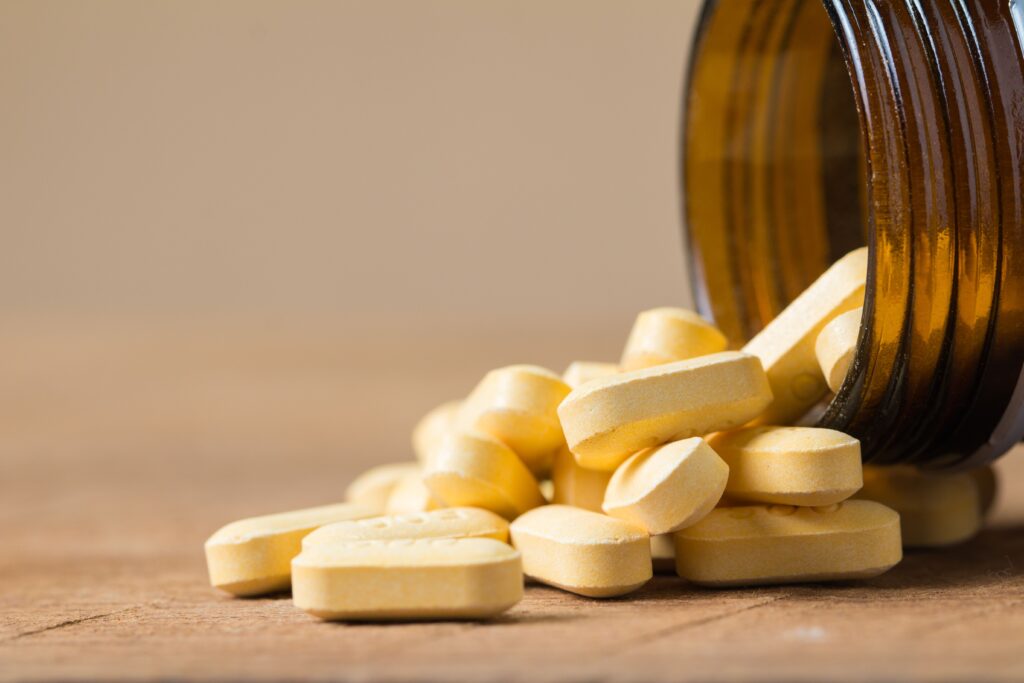
Vitamin B12 supplements are commonly used to treat and prevent vitamin B12 deficiency, especially when dietary changes alone are not enough to restore normal levels.
These supplements provide the body with the necessary amount of vitamin B12 needed for healthy red blood cell production, proper nerve function, and normal energy metabolism.
They are often recommended for individuals with low vitamin B12 levels due to limited intake or increased risk of deficiency.
Vitamin B12 supplements are available in different forms, including tablets, capsules, sublingual (under-the-tongue) products, and injections.
The type and dosage depend on the severity of the deficiency and the reason it developed. People with mild deficiencies may respond well to oral supplements, while those with absorption problems, such as pernicious anemia or certain digestive disorders, may require vitamin B12 injections.
Vitamin B12 supplements are generally considered safe because the body can remove excess amounts through urine.
However, they should be taken according to medical advice, especially when treating a confirmed deficiency.
Regular monitoring through blood tests may be recommended to ensure that vitamin B12 levels are improving and that treatment is working effectively.
Consistent use of vitamin B12 supplements can help restore healthy levels and reduce symptoms associated with deficiency, such as fatigue, weakness, numbness, and difficulty concentrating.
Early treatment is important because prolonged vitamin B12 deficiency can lead to lasting neurological problems.
Combining supplements with a balanced diet and addressing the underlying cause can help maintain adequate vitamin B12 levels over time.
- Managing Underlying Health Problems
Managing underlying health problems is an important part of treating vitamin B12 deficiency because certain medical conditions can interfere with the body’s ability to absorb or use this essential nutrient.
Simply taking vitamin B12 supplements may not fully correct the deficiency if the condition causing low B12 levels is not addressed.
Identifying and treating the root cause helps improve long-term health and prevents the deficiency from returning.
Digestive disorders are among the most common health problems linked to poor vitamin B12 absorption.
https://ods.od.nih.gov/factsheets/VitaminB12-Consumer/?utm_source=chatgpt.com
Conditions such as pernicious anemia, celiac disease, Crohn’s disease, and chronic gastritis can affect the digestive system’s ability to absorb vitamin B12 properly.
Treating these conditions through medical care, dietary management, or appropriate medications can improve nutrient absorption and support healthier vitamin B12 levels.
Certain medical procedures and medications can also contribute to vitamin B12 deficiency.
For example, surgeries that affect the stomach or small intestine may reduce the body’s ability to absorb vitamin B12.
Long-term use of some medications, including certain acid-reducing drugs and diabetes medications, may also affect B12 absorption.
Healthcare providers can review medication use and recommend adjustments or additional supplementation when necessary.
Regular medical follow-up is essential for individuals with health conditions that increase the risk of vitamin B12 deficiency.
Blood tests and symptom monitoring can help evaluate whether treatment is effective and whether further care is needed.
By managing underlying health problems along with proper nutrition and supplementation, individuals can maintain healthy vitamin B12 levels and reduce the risk of long-term complications.
Prevention
- Balanced Diet
A balanced diet plays an important role in preventing vitamin B12 deficiency and supporting overall health.
Eating a variety of nutrient-rich foods helps ensure that the body receives enough essential vitamins and minerals needed for normal blood cell production, energy metabolism, and proper nervous system function.
A well-planned diet can help maintain healthy vitamin B12 levels and reduce the risk of deficiency.
Foods that naturally contain vitamin B12 include animal-based products such as meat, fish, eggs, milk, cheese, and other dairy foods.
https://www.who.int/health-topics/anaemia?utm_source=chatgpt.com
These foods provide a reliable source of vitamin B12 because the vitamin is mainly found in animal-derived products.
For individuals who avoid animal foods, fortified products such as plant-based milk, cereals, and nutritional yeast can help provide additional vitamin B12.
A balanced diet should also include other nutrients that work together to support the body’s health.
Protein-rich foods, fruits, vegetables, whole grains, and healthy fats contribute to overall nutrition and help the body use vitamins effectively.
Maintaining a variety of foods in daily meals can support energy levels, immune function, and healthy growth and development.
For people at higher risk of vitamin B12 deficiency, careful meal planning is especially important. Vegetarians, vegans, older adults, and individuals with absorption problems may need fortified foods or supplements to meet their vitamin B12 requirements.
Combining a balanced diet with regular health monitoring can help maintain adequate vitamin B12 levels and prevent complications associated with deficiency.
- Regular Check-Ups
Regular check-ups are an important part of preventing and managing vitamin B12 deficiency, especially for individuals who are at higher risk.
Routine medical visits allow healthcare providers to monitor vitamin B12 levels, identify early signs of deficiency, and provide appropriate treatment before serious complications develop.
During check-ups, healthcare providers may perform blood tests to evaluate vitamin B12 levels, complete blood counts, and other related health markers.
These tests help determine whether a person has a deficiency and whether treatment is improving their condition.
Monitoring is especially important for people with absorption problems or long-term health conditions that affect vitamin B12 levels.
https://www.unicef.org/nutrition?utm_source=chatgpt.com
Regular medical evaluations also provide an opportunity to review diet, lifestyle habits, medications, and any symptoms that may suggest a deficiency.
Symptoms such as fatigue, weakness, numbness, tingling, memory difficulties, or changes in mood should be discussed with a healthcare professional.
Early detection can help prevent more severe health effects, particularly neurological problems.
Maintaining regular check-ups allows individuals to receive personalized guidance on nutrition, supplements, and treatment plans.
Healthcare providers can adjust recommendations based on changes in health status and ensure that vitamin B12 levels remain within a healthy range.
Consistent monitoring, along with a balanced diet and proper care, supports long-term health and well-being.
- Consult Healthcare Providers
Consulting healthcare providers is an important step when symptoms of vitamin B12 deficiency or iron deficiency appear.
Medical professionals can help identify the underlying cause of the deficiency through proper evaluation, including reviewing symptoms, dietary habits, medical history, and laboratory test results.
Early consultation allows for timely treatment and reduces the risk of complications.
Healthcare providers can recommend the most appropriate treatment based on the severity and cause of the deficiency.
This may include dietary changes, vitamin supplements, iron therapy, or other medical treatments.
For individuals with absorption problems or underlying health conditions, professional guidance is especially important to ensure that treatment is effective.
Seeking medical advice is also necessary when symptoms become persistent or worsen.
Signs such as extreme fatigue, weakness, numbness, tingling sensations, difficulty concentrating, or changes in physical health should not be ignored.
A healthcare provider can determine whether these symptoms are related to nutrient deficiencies or another medical condition.
Regular communication with healthcare professionals helps individuals manage their health more effectively.
Providers can monitor progress through follow-up appointments and adjust treatment plans when needed.
Combining medical guidance with healthy lifestyle choices can help restore nutrient levels, prevent recurrence, and support overall well-being.