Women have unique nutritional needs throughout every stage of life, and iron is one of the most essential minerals for maintaining overall health.
Iron supports the production of hemoglobin, a protein in red blood cells that carries oxygen from the lungs to the rest of the body.
Without enough iron, the body cannot produce sufficient healthy red blood cells, leading to fatigue, weakness, dizziness, and reduced physical and mental performance.
Powerful Including iron-rich foods in a daily diet is one of the best ways to maintain healthy iron levels and support long-term well-being.
Iron requirements are generally higher for women than for men due to menstruation, pregnancy, and breastfeeding.
During these life stages,Essential the body needs additional iron to replace blood loss, support fetal development, and meet increased oxygen demands.
If these needs are not met through diet, women may develop iron deficiency, one of the most common nutritional deficiencies worldwide.
Eating a variety of iron-rich foods can help reduce this risk while promoting energy, immune function, and healthy growth.
Dietary iron is found in two primary forms: heme iron, which comes mainly from animal-based foods, and non-heme iron, which is found mostly in plant-based foods.
Heme iron, found in animal-based foods such as lean red meat, poultry, and seafood, is more easily absorbed by the body.
Non-heme iron is found in plant-based foods like beans, lentils, spinach, tofu, nuts, seeds, and fortified cereals.
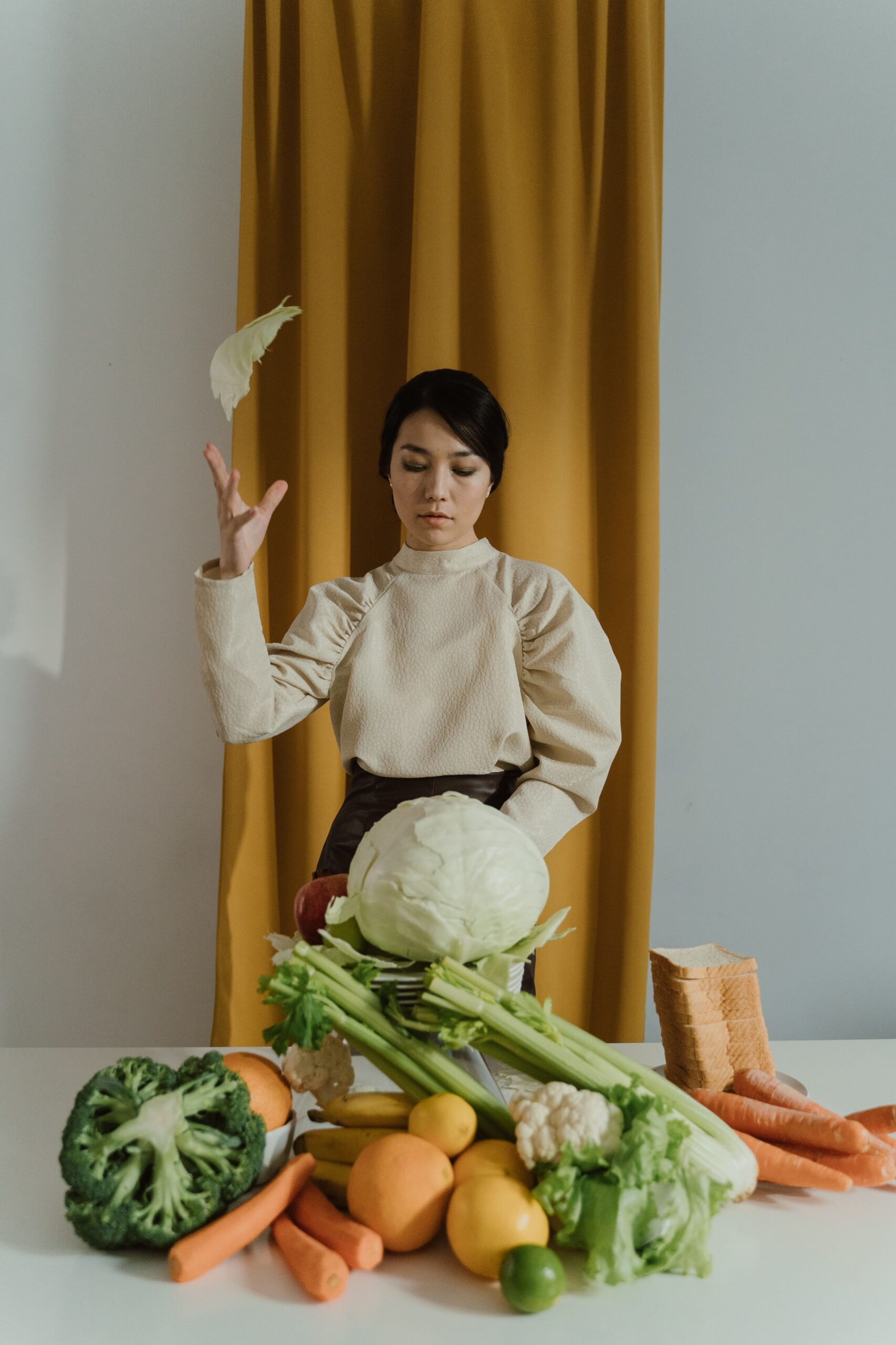
Combining non-heme iron sources with vitamin C-rich foods, such as oranges, strawberries, tomatoes, or bell peppers, can significantly improve iron absorption and maximize the nutritional benefits of meals.
This guide explores the best iron-rich foods for women and explains how they contribute to better health at every stage of life.
Iron found in food is classified into two main types: heme iron and non-heme iron.
It also highlights practical dietary tips nutrient combinations that improve iron absorption, and simple meal ideas that make it easier to meet daily iron requirements.
By making ultimate informed food choices, women can support healthy blood production, increase energy levels, and reduce the risk of iron deficiency naturally.
Types of Iron
Iron found in food is classified into two main types: heme iron and non-heme iron.
Although both forms help the body produce healthy red blood cells and transport oxygen, they differ in their food sources and how efficiently they are absorbed.
Understanding these differences can help women make better dietary choices to maintain healthy iron levels and reduce the risk of iron deficiency.
Heme iron is found in animal-based foods such as lean beef, chicken, turkey, fish, and shellfish.
This type of iron is highly bioavailable, meaning the body absorbs it more easily than non-heme iron.
On average, the body absorbs about 15–35% of heme iron consumed, making it an excellent choice for individuals who have increased iron needs or are at risk of iron deficiency.
Including moderate amounts of lean animal protein in meals can be an effective way to improve overall iron intake.
Non-heme iron is found in plant-based foods, including beans, lentils, chickpeas, tofu, spinach, kale, pumpkin seeds, quinoa, and fortified cereals.
Although it is less readily absorbed than heme iron, non-heme iron remains an important source of this essential mineral, especially for vegetarians and vegans.
The body typically absorbs about 2–20% of non-heme iron,simple depending on other foods eaten during the same meal and individual nutritional status.
The absorption of non-heme iron can be significantly improved by pairing it with foods rich in vitamin C, such as oranges, kiwi, strawberries, tomatoes, broccoli, or bell peppers.
In addition, some foods and beverages, such as tea, coffee, and calcium-rich products, may interfere with the body’s ability to absorb iron when consumed together with iron-containing meals.
Eating a balanced diet that includes a variety of heme and non-heme iron sources, along with foods that enhance absorption, is one of the most effective strategies for maintaining healthy iron levels and supporting overall health.
Iron-Rich Foods
Animal-Based Sources
- Red Meat
Red meat is one of the richest natural sources of heme iron, the type of iron that the body absorbs most efficiently.
Because of its high bioavailability, red meat can help women meet their daily iron requirements and reduce the risk of iron deficiency anemia.
In addition to iron, it provides high-quality protein, vitamin B12, zinc, and other essential nutrients that support healthy blood production, muscle function, and energy metabolism.
Lean cuts of beef, lamb, and venison are excellent choices for increasing iron intake while limiting saturated fat.
A moderate serving of lean beef can provide a substantial amount of the recommended daily iron intake for women.
Selecting lean cuts, trimming visible fat, and using healthy cooking methods such as grilling, baking, or broiling can help maximize nutritional benefits while supporting heart health.
For women with increased iron needs, such as those who experience heavy menstrual periods or are recovering from iron deficiency, red meat can be a valuable part of a balanced diet. Combining red meat with vegetables rich in vitamin C, such as broccoli, bell peppers, or tomatoes, can further support overall nutrient intake.
Including a variety of fruits, vegetables, and whole grains alongside red meat also helps create balanced, nutrient-rich meals
https://www.unicef.org/nutrition?utm_source=.com
Although red meat is highly nutritious, it should be consumed in moderation as part of a healthy eating pattern.
Health experts generally recommend choosing lean, unprocessed red meat over processed options like sausages, bacon, and deli meats, which are often high in sodium and saturated fat. Enjoying red meat in appropriate portions while balancing it with other iron-rich foods can help women maintain healthy iron levels and support long-term wellness.
processed options like sausages, bacon, and deli meats, which are often high in sodium and saturated fat. Enjoying red meat in appropriate portions while balancing it with other iron-rich foods can help women maintain healthy iron levels and support long-term wellness.
which usually contain higher levels of salt and unhealthy fats .
Enjoying red meat in appropriate portions while balancing it with other iron-rich foods can help women maintain healthy iron levels and support long-term wellness.
https://www.who.int/news-room/fact-sheets/detail/anaemia?utm_source=.com
- Poultry
Poultry is an excellent source of heme iron, making it a valuable addition to a healthy diet for women.
Although it contains less iron than red meat, chicken and turkey still provide a form of iron that is easily absorbed by the body.
Poultry is also rich in high-quality protein, B vitamins, and essential minerals that support muscle health, energy production, and the formation of healthy red blood cells.
Chicken is one of the most commonly consumed poultry options and can contribute to daily iron intake when included in balanced meals.
Dark meat, such as chicken thighs and drumsticks, generally contains more iron than white meat like chicken breast.
Preparing chicken by grilling, baking, roasting, or steaming helps preserve its nutritional value while keeping meals lower in unhealthy fats.
Turkey is another nutritious poultry choice that provides heme iron along with protein, selenium, and vitamin B6.
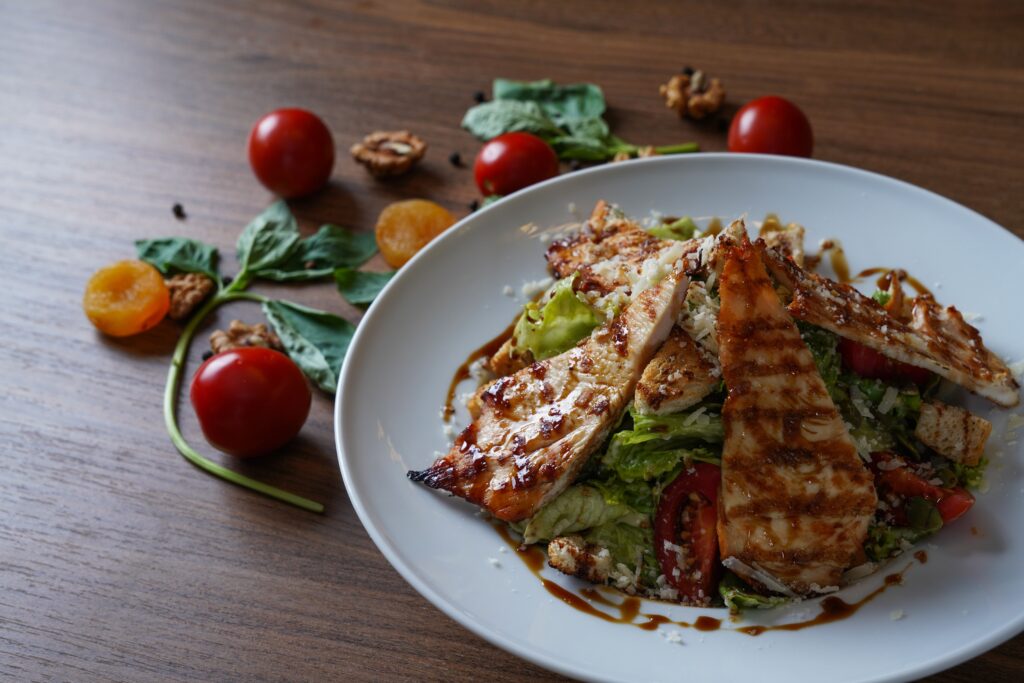
It can be used in a variety of dishes, including salads, soups, sandwiches, and grain bowls, making it easy to incorporate into a healthy eating plan.
Pairing turkey with vegetables rich in vitamin C, such as bell peppers, tomatoes, or broccoli, can enhance the absorption of iron from other foods consumed during the meal.
Choosing lean, skinless poultry instead of fried or heavily processed products can support both iron intake and heart health.
Rotating chicken and turkey with other iron-rich foods, such as seafood, beans, lentils, and leafy green vegetables, helps create a well-balanced diet that provides a wide range of nutrients.
Regularly including poultry in meals is a practical way for women to maintain healthy iron levels while supporting overall health and wellness.
- Fish and Seafood
Fish and seafood are excellent sources of essential nutrients, including heme iron, which is more easily absorbed by the body than the iron found in most plant foods.
Many types of fish and shellfish provide a healthy way for women to increase their iron intake while also supplying high-quality protein, vitamins, and minerals.
Regularly including fish and seafood in a balanced diet can help support healthy blood production, energy levels, and overall well-being.
Shellfish such as oysters, clams, mussels, and scallops are among the richest natural sources of iron Clams and oysters, in particular, contain high amounts of heme iron, making them especially beneficial for women with increased iron needs.
In addition to iron, shellfish provide important nutrients such as vitamin B12, zinc, copper, and selenium, all of which contribute to immune function, nerve health, and red blood cell formation.
Many types of fish, including tuna, sardines, salmon, and mackerel, also contribute to daily iron intake while offering heart-healthy omega-3 fatty acids. These healthy fats help reduce inflammation and support cardiovascular and brain health.
Although fish generally contains less iron than shellfish, it remains a nutritious choice that combines iron with other essential nutrients in a low-fat, protein-rich food.
To gain the greatest health benefits, choose fresh, frozen, or canned fish packed in water rather than heavily processed or fried seafood products. Baking, grilling, steaming, or broiling are healthier cooking methods that preserve nutrients without adding excess fat.
Including a variety of fish and seafood in weekly meal plans can help women maintain healthy iron levels while supporting heart health, brain function, and overall nutrition.
- Organ Meats
Organ meats are among the most nutrient-dense foods available and are exceptionally rich in heme iron, the form of iron that the body absorbs most efficiently.
Foods such as beef liver, chicken liver, and lamb liver provide large amounts of iron in relatively small servings, making them an excellent choice for women who need to increase their iron intake.
Beyond their iron content, organ meats provide a variety of important nutrients, including high-quality protein, vitamins, and minerals that support overall health.
Liver is particularly well known for its impressive nutritional profile.
It is an outstanding source of vitamin B12, folate, vitamin A, copper, and zinc, all of which play important roles in red blood cell production, immune function, and energy metabolism.
Because of this combination of nutrients, liver has long been recognized as a valuable food for helping prevent or manage iron deficiency when eaten as part of a balanced diet.
Despite their nutritional benefits, organ meats should be consumed in moderation.
Liver is extremely high in vitamin A, and excessive intake may not be suitable for everyone, especially pregnant women, who should follow healthcare provider recommendations regarding vitamin A consumption.
Eating moderate portions occasionally can provide significant nutritional benefits without increasing the risk of excessive vitamin intake.
Organ meats can be prepared in many ways, including grilling, sautéing, baking, or adding them to stews and traditional recipes.
Pairing them with vegetables rich in vitamin C, such as tomatoes, bell peppers, or broccoli, can further support overall nutrient intake.
When enjoyed in appropriate amounts as part of a varied and balanced diet, organ meats can be an effective way for women to maintain healthy iron levels and support overall health
Plant-Based Sources
- Legumes
Legumes are one of the best plant-based sources of non-heme iron, making them an important food group for women, especially those following vegetarian or vegan diets.
Foods such as lentils, beans, chickpeas, and peas provide a good amount of iron while also supplying protein, dietary fiber, and a variety of essential vitamins and minerals.
Regularly including legumes in meals can help support healthy iron levels, improve digestion, and contribute to overall well-being.
Lentils are particularly rich in iron and are also an excellent source of folate, which plays a key role in red blood cell production.
Beans, including kidney beans, black beans, navy beans, and pinto beans, are similarly nutritious and provide long-lasting energy due to their combination of complex carbohydrates and fiber.
Chickpeas are another versatile option that can be added to salads, soups, curries, or blended into hummus, making it easier to increase daily iron intake.
Although the iron in legumes is not absorbed as efficiently as the heme iron found in animal foods, absorption can be greatly improved by pairing legumes with vitamin C-rich foods.
For example, adding tomatoes, bell peppers, broccoli, citrus fruits, or strawberries to meals can significantly increase the body’s ability to absorb non-heme iron.
At the same time, limiting tea or coffee during iron-rich meals may help maximize iron absorption.
Legumes are affordable, widely available, and easy to incorporate into a balanced diet.
They can be used in soups, stews, salads, grain bowls, tacos, and many traditional dishes, providing both nutrition and versatility.
By including a variety of legumes in weekly meal plans, women can boost their iron intake naturally while also benefiting from heart-healthy fiber, plant-based protein, and other essential nutrients that support long-term health.
- Dark Leafy Greens
Dark leafy greens are among the most nutritious vegetables and are an excellent source of non-heme iron, making them an important part of a healthy diet for women.
Vegetables such as spinach, kale, Swiss chard, collard greens, and beet greens provide iron along with a wide range of vitamins, minerals, and antioxidants.
Regularly eating these greens can help support healthy blood production, strengthen the immune system, and promote overall health.
Spinach is one of the best-known leafy greens for its iron content and is also rich in folate, vitamin A, vitamin C, and magnesium.
Kale and collard greens provide similar nutritional benefits while offering high amounts of vitamin K, calcium, and fiber.
These nutrients work together to support bone health, maintain healthy blood cells, and improve overall nutrition, making leafy greens a valuable addition to daily meals.
Although the iron in dark leafy greens is not absorbed as efficiently as the heme iron found in animal foods, combining these vegetables with vitamin C-rich foods can significantly improve iron absorption.
Adding tomatoes, bell peppers, citrus fruits, strawberries, or broccoli to salads and cooked dishes helps the body absorb more of the iron they contain.
This simple combination makes plant-based iron sources more effective in meeting daily nutritional needs.
Dark leafy greens are versatile and easy to include in a variety of meals.
They can be enjoyed fresh in salads, blended into smoothies, added to soups, mixed into omelets, or sautéed as a nutritious side dish.
Incorporating a variety of leafy greens into a balanced diet allows women to increase their iron intake while benefiting from fiber, antioxidants, and other essential nutrients that support heart health, digestion, and overall wellness.
- Nuts and Seeds
Nuts and seeds are nutritious plant-based foods that provide non-heme iron, healthy fats, protein, fiber, and a variety of essential vitamins and minerals.
Although they contain less iron than some animal-based foods, they are still valuable sources of this important nutrient, especially for women following vegetarian or vegan diets.
Regularly including a variety of nuts and seeds in meals and snacks can help support healthy iron levels while promoting overall health.
Pumpkin seeds, sesame seeds, hemp seeds, chia seeds, flaxseeds, almonds, cashews, and pistachios are among the best choices for increasing iron intake.
Pumpkin seeds and sesame seeds are particularly rich in iron, while cashews and almonds also contribute meaningful amounts.
In addition to iron, these foods provide magnesium, zinc, copper, and vitamin E, nutrients that support immune function, energy production, and healthy blood cell formation.
Because nuts and seeds contain non-heme iron, pairing them with vitamin C-rich foods can improve iron absorption.
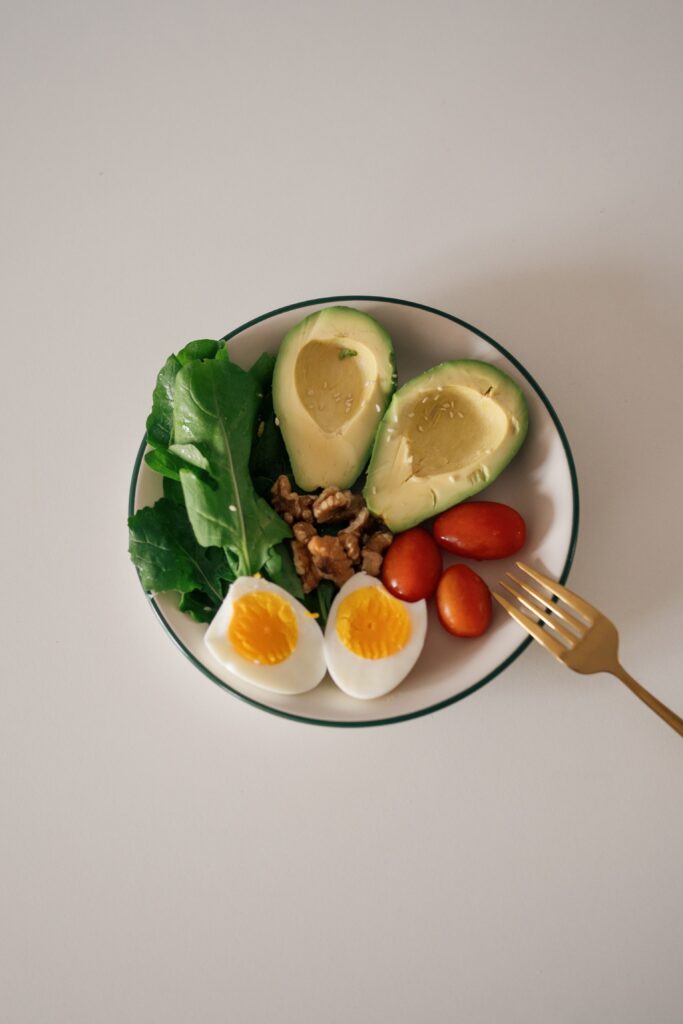
For example, adding pumpkin seeds to a spinach salad with tomatoes, mixing chia seeds into a berry smoothie, or topping oatmeal with strawberries and almonds can help the body absorb more iron.
Soaking or lightly roasting certain seeds and nuts may also improve digestibility while enhancing their flavor.
Nuts and seeds are easy to incorporate into a balanced diet and can be enjoyed in many ways. They make nutritious snacks, can be sprinkled over yogurt, oatmeal, salads, and soups, or blended into smoothies and homemade spreads.
By including a variety of nuts and seeds as part of regular meals, women can increase their iron intake while also benefiting from heart-healthy unsaturated fats, plant-based protein, and fiber that support long-term health and wellness.
- Whole Grains
Whole grains are an excellent source of non-heme iron and provide many other important nutrients that support overall health.
Unlike refined grains, whole grains retain all parts of the grain kernel, including the bran, germ, and endosperm, making them naturally rich in fiber, B vitamins, magnesium, and antioxidants. Including whole grains in a balanced diet can help women increase their iron intake while supporting digestion, steady energy levels, and long-term wellness.
Iron-rich whole grains include quinoa, oats, brown rice, whole wheat, barley, millet, and fortified whole-grain cereals.
Quinoa is particularly nutritious because it provides both iron and complete protein, while oats offer a combination of iron and soluble fiber that supports heart health.
Fortified breakfast cereals can also be a practical way to boost iron intake, especially for women who have higher daily iron requirements.
The iron found in whole grains is non-heme iron, which is not absorbed as efficiently as the iron from animal foods.
However, absorption can be improved by combining whole grains with foods that are high in vitamin C.
For example, serving oatmeal with strawberries or oranges, adding bell peppers to quinoa salads, or pairing whole-grain toast with tomatoes can help the body absorb more iron from these foods.
Whole grains are versatile and easy to include in everyday meals.
They can be enjoyed as warm breakfast cereals, used as the base for grain bowls and salads, added to soups, or served alongside lean proteins and vegetables.
Replacing refined grains with whole-grain options not only helps increase iron intake but also provides lasting energy, supports heart health, and contributes to a well-balanced diet that meets the nutritional needs of women.
Enhancing Iron Absorption
- Pairing with Vitamin C
Pairing iron-rich foods with vitamin C is one of the most effective ways to improve iron absorption, especially when consuming plant-based sources of iron.
Vitamin C helps convert non-heme iron into a form that is easier for the body to absorb, allowing women to get more nutritional value from their meals.
This simple dietary strategy can be particularly beneficial for women who have increased iron needs or follow vegetarian or vegan eating patterns.
Many fruits and vegetables are naturally high in vitamin C and can easily be combined with iron-rich foods.
Excellent sources include oranges, lemons, strawberries, kiwi, guava, bell peppers, tomatoes, broccoli, and Brussels sprouts.
For example, adding sliced strawberries to fortified cereal, squeezing fresh lemon juice over lentil soup, or serving spinach salad with tomatoes and bell peppers can significantly increase the amount of iron the body absorbs.
Pairing vitamin C-rich foods with meals is especially important when eating non-heme iron sources such as beans, lentils, tofu, nuts, seeds, whole grains, and dark leafy greens.
While heme iron from animal foods is already well absorbed, combining plant-based iron sources with vitamin C helps narrow the difference in absorption.
This approach makes it easier for women to meet their daily iron requirements through a balanced and varied diet.
In addition to increasing vitamin C intake, it is helpful to avoid consuming tea, coffee, or large amounts of calcium-rich foods immediately before or during iron-rich meals, as these can reduce iron absorption.
Instead, enjoy vitamin C-rich fruits or vegetables alongside iron-containing foods to maximize the body’s ability to use this essential mineral.
Making this simple habit part of everyday eating can help support healthy iron levels, improve energy, and reduce the risk of iron deficiency over time.
- Avoiding Inhibitors
Certain foods and beverages can reduce the body’s ability to absorb iron, particularly non-heme iron from plant-based sources.
While these foods may still be part of a healthy diet, consuming them at the same time as iron-rich meals can limit the amount of iron the body absorbs.
Understanding these inhibitors allows women to make simple dietary adjustments that help maintain healthy iron levels and reduce the risk of iron deficiency.
Tea and coffee are among the most common inhibitors of iron absorption because they contain natural compounds called tannins and polyphenols.
These substances can bind to non-heme iron in the digestive tract, making it more difficult for the body to absorb.
To minimize this effect, it is generally recommended to drink tea or coffee at least one to two hours before or after eating an iron-rich meal rather than during the meal itself.
Calcium is another nutrient that can temporarily interfere with iron absorption when consumed in large amounts at the same meal.
Dairy products such as milk, cheese, and yogurt, as well as calcium supplements, may reduce the absorption of both heme and non-heme iron.
Women who need to increase their iron intake can benefit from consuming calcium-rich foods and supplements at different times of the day than their main iron-rich meals.
Making a few simple changes to meal timing can significantly improve iron absorption without eliminating nutritious foods from the diet.
Pairing iron-rich meals with vitamin C-rich fruits and vegetables while spacing out tea, coffee, and high-calcium foods helps the body absorb more iron efficiently.
These practical habits can support healthy red blood cell production, improve energy levels, and contribute to better long-term health for women.
Special Considerations
- Vegetarian and Vegan Diets
Vegetarian and vegan diets can provide enough iron when they are carefully planned and include a variety of nutrient-rich foods.
Since these eating patterns exclude meat or all animal products, they rely primarily on non-heme iron, which is found in plant-based foods.
Although non-heme iron is not absorbed as efficiently as heme iron, women can still meet their daily iron requirements by choosing iron-rich foods regularly and combining them with nutrients that enhance absorption.
Excellent plant-based sources of iron include lentils, beans, chickpeas, tofu, tempeh, quinoa, fortified breakfast cereals, oats, pumpkin seeds, sesame seeds, almonds, cashews, spinach, kale, and other dark leafy greens.
These foods also provide important nutrients such as fiber, protein, folate, magnesium, and antioxidants that support overall health.
Eating a wide variety of these foods throughout the day helps ensure a balanced intake of essential vitamins and minerals.
One of the most effective ways to improve iron absorption on a vegetarian or vegan diet is to pair iron-rich foods with vitamin C-rich fruits and vegetables.
Foods such as oranges, strawberries, kiwi, tomatoes, broccoli, and bell peppers help the body absorb more non-heme iron.
At the same time, limiting tea, coffee, and large amounts of calcium-rich foods during iron-rich meals can further improve iron absorption and support healthy iron levels.
Women following vegetarian or vegan diets should pay close attention to their iron intake, particularly during menstruation, pregnancy, or other periods of increased nutritional needs. Regular health checkups and, if recommended by a healthcare provider, iron supplementation may be helpful for those at risk of deficiency.
By eating a diverse, well-balanced diet and using strategies that enhance iron absorption, vegetarian and vegan women can maintain healthy iron levels and support long-term health and well-being.
- Pregnancy and Lactation
Pregnancy and lactation are stages of life when a woman’s nutritional needs increase significantly, and iron becomes especially important.
During pregnancy, a woman’s need for iron increases to support the baby’s growth, help form the placenta, and produce more red blood cells for both the mother and baby.
Adequate iron intake helps ensure that both the mother and the developing baby receive enough oxygen and nutrients for healthy growth and development.
Iron deficiency during pregnancy can increase the risk of complications such as anemia, fatigue, premature birth, low birth weight, and delayed fetal development.
For this reason, healthcare providers often recommend that pregnant women consume a diet rich in iron-containing foods and, in many cases, take prenatal vitamins that include iron.
Good dietary sources include lean red meat, poultry, fish, legumes, fortified cereals, dark leafy greens, and iron-rich whole grains.
During lactation, a mother’s iron requirements are generally lower than during pregnancy, but maintaining adequate iron stores remains important for overall health and recovery after childbirth.
Women who experienced significant blood loss during delivery or had low iron levels during pregnancy may still need additional iron while breastfeeding.
Eating a balanced diet that includes iron-rich foods supports maternal energy, promotes recovery, and helps replenish iron stores.
To maximize iron absorption during pregnancy and lactation, women should pair iron-rich foods with vitamin C-rich fruits and vegetables, such as oranges, strawberries, tomatoes, and bell peppers.
It is also helpful to avoid drinking tea or coffee with iron-rich meals, as these beverages can reduce iron absorption.
Following a nutritious, well-balanced diet and attending regular prenatal and postnatal healthcare visits can help ensure that both mother and baby receive the nutrients needed for optimal health.
Recap of the Importance of Iron
Iron is a key nutrient that is important for supporting the body’s overall health and proper functioning.
Iron plays a crucial role in making hemoglobin, a component of red blood cells responsible for carrying oxygen to tissues throughout the body.
Adequate iron levels help support energy production, healthy brain function, a strong immune system, and normal physical performance.
Without enough iron, the body cannot produce sufficient healthy red blood cells, increasing the risk of iron deficiency anemia.
Women have higher iron requirements than men due to menstruation, pregnancy, and breastfeeding.
These life stages increase the body’s demand for iron, making it especially important to consume enough iron-rich foods regularly.
Meeting daily iron needs can help prevent fatigue, weakness, dizziness, and other symptoms associated with low iron levels while supporting long-term health.
Both heme iron from animal-based foods and non-heme iron from plant-based foods contribute to healthy iron intake.
While heme iron is absorbed more efficiently, non-heme iron can also be an excellent source when paired with vitamin C-rich foods.
Understanding these differences allows women to make informed dietary choices that maximize iron absorption and improve overall nutrition.
Maintaining healthy iron levels is an important part of a balanced lifestyle.
By choosing nutrient-rich foods, practicing healthy eating habits, and paying attention to individual nutritional needs, women can support healthy blood production, maintain energy levels, and reduce the risk of iron deficiency throughout every stage of life.
Encouragement to Incorporate a Variety of Iron-Rich Foods
Including a wide variety of iron-rich foods in daily meals is one of the best ways to maintain healthy iron levels and support overall wellness.
A balanced diet that combines both animal-based and plant-based sources of iron provides a broad range of nutrients needed for healthy blood production, immune function, and energy metabolism.
Variety also helps ensure that meals remain enjoyable, nutritious, and sustainable over the long term.
Women can benefit from regularly eating foods such as lean red meat, poultry, fish, legumes, dark leafy greens, whole grains, nuts, seeds, and fortified cereals.
Each of these foods contributes unique vitamins, minerals, protein, and fiber that work together to support overall health.
Rotating different iron-rich foods throughout the week helps create balanced meals while reducing the risk of nutrient deficiencies.
Simple meal planning strategies can make it easier to increase iron intake naturally.
Adding spinach to omelets, choosing oatmeal topped with berries and pumpkin seeds, preparing lentil soups, or serving grilled chicken with quinoa and vegetables are practical ways to include more iron-rich ingredients.
Pairing these foods with vitamin C-rich fruits and vegetables further improves iron absorption and enhances their nutritional value.
Building healthy eating habits can be achieved through small, simple changes made consistently over time.
Small, consistent improvements in food choices can make a significant difference over time.
By incorporating a diverse selection of iron-rich foods into everyday meals, women can support healthy iron stores, maintain energy, and promote long-term health and well-being.
Advice to Consult Healthcare Providers for Personalized Guidance
Although a balanced diet can meet the iron needs of many women, individual requirements vary depending on age, health status, pregnancy, menstrual blood loss, and lifestyle.
Consulting a healthcare provider or registered dietitian can help determine whether iron intake is adequate and whether additional dietary changes or supplements may be needed. Personalized guidance ensures that nutrition recommendations are tailored to each individual’s specific needs.
Healthcare professionals may recommend blood tests to evaluate iron levels if symptoms such as persistent fatigue, weakness, pale skin, or dizziness occur.
Early detection of iron deficiency allows for timely treatment and helps prevent more serious complications.
Regular health checkups are especially important for pregnant women, adolescents, vegetarians, vegans, and individuals with medical conditions that affect iron absorption.
Iron supplements should be used with professional medical advice to ensure they are taken safely and appropriately.
Taking more iron than the body needs can cause side effects such as constipation, nausea, and stomach discomfort, and excessive iron intake may lead to more serious health problems.
A healthcare professional can recommend the appropriate dosage and monitor progress to ensure safe and effective treatment when supplementation is necessary.
Maintaining healthy iron levels is a lifelong commitment that combines nutritious eating habits with regular medical care.
Seeking professional advice when needed allows women to make informed decisions about their diet and overall health.
With personalized guidance and a balanced approach to nutrition, women can effectively meet their iron needs and enjoy better energy, vitality, and long-term wellness.
Additional Resources
- Books and Articles
Books and peer-reviewed articles are valuable resources for learning about iron nutrition, women’s health, and healthy eating habits.
They provide evidence-based information on the role of iron in the body, the causes and prevention of iron deficiency, and practical dietary strategies for maintaining healthy iron levels. Unlike unverified online sources, reputable books and scientific publications are written or reviewed by experts and are based on current research.
Nutrition textbooks and medical reference books offer detailed explanations of how iron is absorbed, transported, and used by the body.
https://ods.od.nih.gov/factsheets/Iron-HealthProfessional/?utm_source=t.com
They also discuss the differences between heme and non-heme iron, recommended dietary allowances, and the nutritional needs of women during menstruation, pregnancy, and breastfeeding.
These resources are commonly used by healthcare professionals, dietitians, and students because they provide reliable and comprehensive information.
Scientific articles published in peer-reviewed journals present the latest research on iron deficiency, anemia, and dietary interventions.
Researchers regularly study topics such as the effectiveness of iron-rich diets, factors that influence iron absorption, and the impact of iron status on women’s health.
Reading current research articles helps readers stay informed about new findings and recommendations that may improve nutritional practices and health outcomes.
When choosing books or articles, it is important to rely on trusted authors, academic publishers, and recognized health organizations.
Resources from universities, medical journals, and professional nutrition organizations are generally more accurate than information from unverified websites or social media.
Using credible references ensures that women receive up-to-date, evidence-based guidance for making informed decisions about iron intake and overall health.
Websites and Organizations
Trusted websites and health organizations provide accurate, research-based information on iron nutrition and women’s health.
These resources provide practical guidance on recommended daily iron intake, iron-rich foods, iron deficiency prevention, and healthy eating habits.
Using trusted sources helps women make informed decisions about their nutrition while avoiding inaccurate or misleading health information found on unreliable websites.
International health organizations such as the World Health Organization (WHO), UNICEF, and the National Institutes of Health (NIH) publish scientifically reviewed information on nutrition, anemia, and maternal health.
Their websites offer educational materials, dietary recommendations, research findings, and public health guidelines that are developed by medical and nutrition experts.
These resources are widely respected and regularly updated to reflect the latest scientific evidence.
Professional organizations, including the Academy of Nutrition and Dietetics and other registered dietitian associations, also provide valuable nutrition advice.
Their websites include articles on healthy meal planning, iron-rich recipes, food safety, and strategies for improving nutrient intake. Many of these organizations also publish resources specifically designed for women, pregnant individuals, and people following vegetarian or vegan diets.
While the internet offers an abundance of health information, it is important to evaluate the credibility of every source.
Choosing websites managed by government health agencies, universities, hospitals, and recognized nonprofit organizations helps ensure that the information is accurate and evidence-based.
Combining guidance from trusted organizations with advice from healthcare professionals enables women to make informed dietary choices that support healthy iron levels and long-term well-being.