Introduction:
Strong Iron Insufficiency Seven Key Signs of Anaemia That Every Woman Should Know About
Millions of women around the world experience the effects of iron deficiency anaemia, but many may not recognize the early warning signals until the condition becomes more severe.
Iron is a crucial mineral needed to produce haemoglobin, the protein in red blood cells that carries oxygen throughout the body.
When your iron levels drop too low, your body struggles to deliver enough oxygen to your tissues and organs. This can result in weakness, fatigue, lightheadedness, and other symptoms that can interfere with daily life.
By being aware of these symptoms, you can identify issues early and take steps to improve your health.
This guide will cover the most common signs, causes, risk factors, and natural ways to support healthy iron levels.
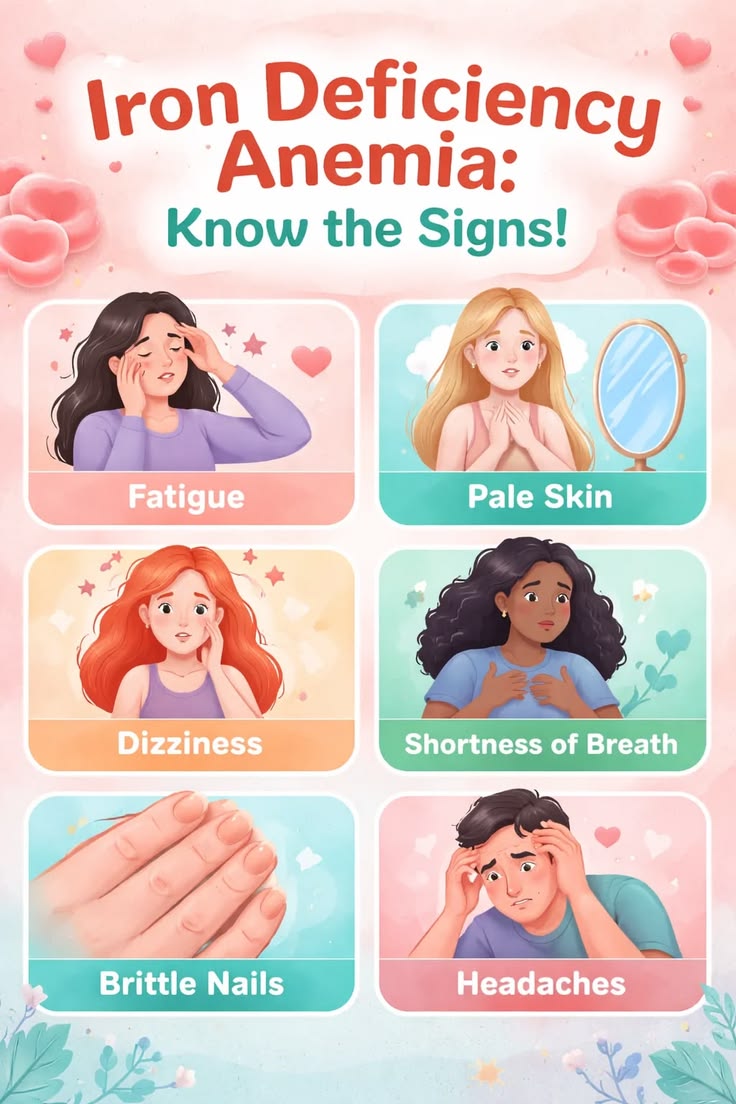
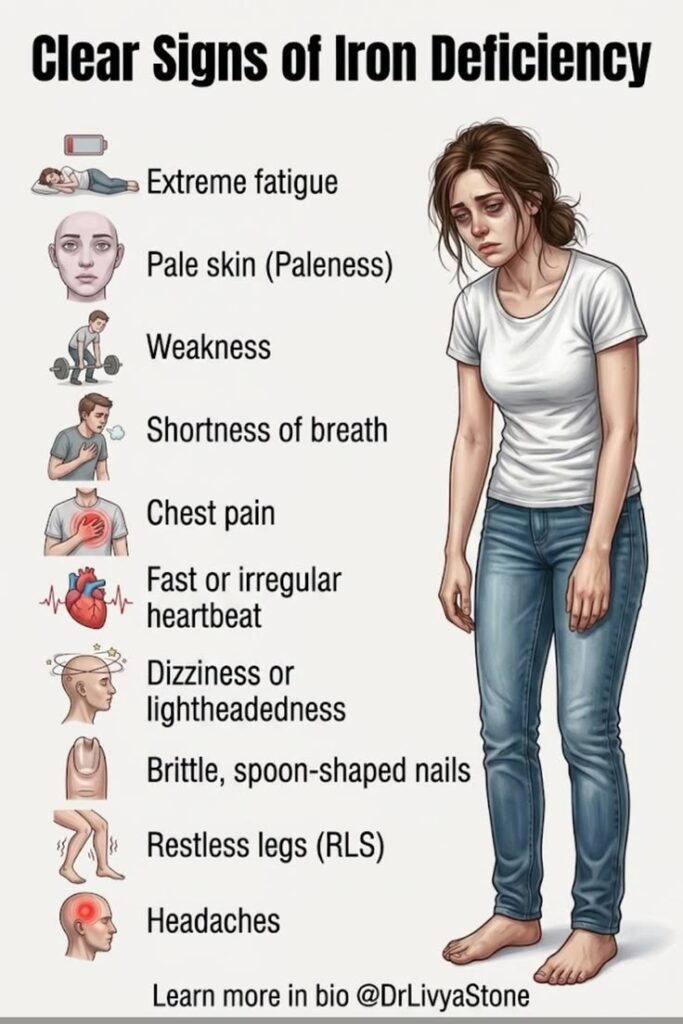
Seven Key Signs of Iron Deficiency Anaemia
– Constant tiredness and low energy
Persistent tiredness is one of the most common signs of iron deficiency anaemia.
This fatigue does not typically improve with rest, unlike regular tiredness.
You may find it challenging to complete daily tasks, feel exhausted all day, or struggle to stay productive.
Your body has to work harder to supply oxygen to muscles and organs, leading to ongoing fatigue.
– Pale inner eyelids and pale skin
Another noticeable sign is pale skin.
The red color in blood is due to haemoglobin.
When haemoglobin levels drop, your skin may appear paler than usual. Often, the inner part of the lower eyelid becomes significantly pale in people with anaemia, which is why healthcare professionals often check this area.
– Feeling lightheaded and dizzy
People with low iron levels often experience dizziness.
You may feel lightheaded, dizzy, or unsteady if your brain isn’t receiving enough oxygen-rich blood.
These episodes can happen when you stand up quickly or during physical activity.
Persistent dizziness should not be ignored, especially if it is accompanied by other signs of iron deficiency anaemia.
– Shortness of breath during everyday activities
Many individuals with anaemia report feeling out of breath more frequently than before.
Simple tasks like walking, climbing stairs, or carrying groceries can become exhausting. This happens because your body is trying to compensate for reduced oxygen delivery.
– Frequent headaches and difficulty concentrating
Headaches and brain fog are common symptoms of iron deficiency that are often overlooked.
Reduced oxygen levels in the brain can lead to frequent headaches, difficulty focusing, poor concentration, memory problems, and mental fatigue.
Many women wrongly blame stress or lack of sleep for these symptoms.
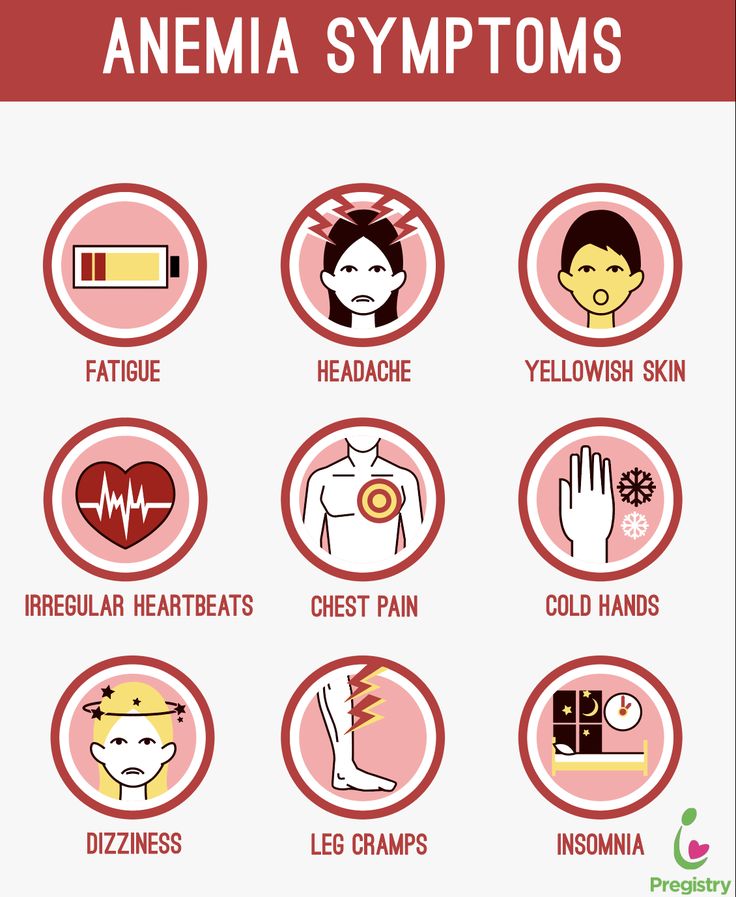
– Cold hands and feet
Even when others are comfortable, do your hands and feet feel chilly?
Poor oxygen circulation due to anaemia can affect blood flow to the extremities.
This can result in abnormally cold hands and feet throughout the day.
People with moderate to severe iron deficiency are especially likely to experience this.
Palpitations and a fast heartbeat
When iron levels are low, the heart has to work harder to circulate oxygen throughout the body.
This strain may cause:
– A rapid heartbeat
– A pounding or racing heart
– A sense of irregular heartbeat
– Increased awareness of your heartbeat
If these symptoms are severe or ongoing, it is important to seek medical attention.
Common Causes of Iron Deficiency Anaemia
Iron deficiency anaemia can be caused by several factors, including:
– Heavy menstrual bleeding: Women with heavy periods may lose significant amounts of iron each month.
– Pregnancy: During pregnancy, the body needs more blood to support the growing baby, increasing iron requirements.
– Poor iron intake: A diet lacking in iron-rich foods over time can lead to deficiency.
– Digestive disorders: Conditions affecting the stomach or intestines can impair iron absorption.
– Blood loss: Hidden blood loss from gastrointestinal issues, ulcers, or other illnesses can worsen anaemia.
Who Is Most at Risk for Iron Deficiency Anaemia?
The following groups are more likely to develop iron deficiency anaemia:
– Women of reproductive age
– Pregnant women
– Women with heavy menstrual bleeding
– Vegans and vegetarians
– Regular blood donors
– People with digestive issues
– Older adults
Recognizing these risk factors can help with early prevention.
Iron-Rich Foods for Iron Deficiency Anaemia
Eating foods high in iron is one of the best ways to maintain healthy levels.
These include:
– Animal-based sources: Lean beef, liver, chicken, turkey, fish, eggs
– Heme iron, which is more easily absorbed by the body, is found in these foods.
– Plant-based sources: Spinach, lentils, beans, chickpeas, pumpkin seeds, and tofu
– Pairing plant-based iron sources with foods rich in vitamin C, such as citrus fruits, bell peppers, orange juice, kiwis, and strawberries, can improve absorption.
Easy Ways to Boost Iron Absorption
You can increase iron absorption by:
– Eating citrus fruits with meals
– Adding bell peppers to salads
– Drinking orange juice with iron-rich foods
– Regularly consuming kiwis and strawberries
– Avoiding tea and coffee immediately after meals, as they can reduce iron absorption
When Should You See a Doctor for Iron Deficiency Anaemia?
You should consider consulting a doctor if you experience:
– Excessive tiredness
– Chronic lightheadedness
– Difficulty breathing
– Increased heart rate
– Frequent headaches
– Symptoms that don’t improve with dietary changes
A healthcare provider can perform blood tests to determine if you have iron deficiency anaemia.
In conclusion, understanding these signs and taking proactive steps can help manage and prevent this condition.
FAQs
Q1. What are the first signs of iron deficiency anemia?
The first signs of iron deficiency anemia often include fatigue, weakness, dizziness, headaches, and difficulty concentrating.
Some people may also notice pale skin and reduced energy levels.
Q2.. Can iron deficiency anemia go away naturally?
Mild cases may improve through a diet rich in iron-containing foods such as lean meat, fish, beans, lentils, and spinach.
However, severe cases may require medical treatment or iron supplements prescribed by a healthcare professional.