Hemoglobin is a vital component of red blood cells that allows oxygen to travel from the lungs to tissues throughout the body.
When hemoglobin falls below the healthy range, the body may not receive oxygen as efficiently as it should, which can be associated with symptoms such as low energy, weakness, dizziness, headaches, or breathlessness.
However, having low hemoglobin does not always point to one specific nutritional problem.
Different forms of anemia can develop for different reasons, so understanding the possible cause is an important part of improving blood health.
For people whose hemoglobin is affected by inadequate nutrition, everyday food choices can play a useful supporting role.
Meals that contain iron, folate, vitamin B12, vitamin C, protein, and other essential nutrients can help provide the building blocks the body needs for normal red blood cell production.
At the same time, nutrition should not be treated as a substitute for proper medical care.
If you have been told that your hemoglobin is low, or you have ongoing symptoms that could suggest anemia, a healthcare professional can help determine the cause and recommend the most appropriate treatment.
What Is Hemoglobin?
Hemoglobin is a specialized protein located inside red blood cells.
It contains iron and has the important task of carrying oxygen after blood reaches the lungs.
Once oxygen is picked up, red blood cells transport it around the body so organs, muscles, and other tissues can use it.
Because of this role, hemoglobin levels are commonly checked when anemia is suspected.
A person’s healthy hemoglobin range can vary according to factors such as age, sex, pregnancy, and other individual circumstances, so laboratory results should always be interpreted in the proper medical context.
1. Eat More Iron-Rich Foods
Iron is one of the key nutrients involved in hemoglobin production, which makes iron-containing foods an important part of a balanced diet.
Meat, poultry, seafood, beans, lentils, chickpeas, dark leafy vegetables, and iron-fortified cereals can all contribute iron.
The body handles iron from animal foods differently from the iron found in plant foods, but both types can have a place in a nutritious eating pattern.
Instead of depending on one particular food, try to include a range of iron-containing choices across different meals during the week.
This approach can help improve overall nutrient intake while supporting the body’s normal blood-building processes.
2. Include Lentils and Beans in Your Meals
Beans and lentils are affordable and versatile foods that can add iron, folate, protein, and other nutrients to everyday meals.
They can be mixed into soups, prepared as stews, added to salads, or served alongside rice and vegetables.
For people who eat little or no meat, legumes can be especially useful because they provide a plant-based source of several nutrients.
Adding tomatoes, peppers, citrus fruit, or another vitamin-C-containing food to the same meal may also help the body absorb more of the non-heme iron found in plant foods.
3. Add Dark Green Leafy Vegetables
Dark green vegetables can contribute several nutrients that are valuable for a healthy diet, including folate, vitamin C, and some iron.
Spinach, kale, collard greens, and similar vegetables can easily become part of soups, stews, vegetable dishes, or side meals.
Rather than treating leafy greens as a stand-alone solution for low hemoglobin, think of them as one useful part of a varied diet.
Combining them with legumes, eggs, fish, meat, or fortified grains can create meals that provide a broader range of nutrients than eating one vegetable on its own.
4. Eat Foods Rich in Vitamin C
Vitamin C is particularly useful when eating plant-based sources of iron because it can improve the absorption of non-heme iron.
Citrus fruits, guava, tomatoes, sweet peppers, papaya, strawberries, and several other fruits and vegetables are good sources.
A simple meal combination might involve lentils with tomatoes, beans with peppers, or leafy vegetables accompanied by a vitamin-C-rich fruit.
These combinations do not need to be complicated; adding a fresh fruit or vegetable containing vitamin C to an iron-containing meal can be an easy way to make the meal more nutritionally effective.
5. Choose Fortified Foods When Available
Fortified foods can be helpful when a person’s regular diet does not provide enough iron or certain vitamins.
During fortification, nutrients are added to a food product to increase its nutritional value.
Some breakfast cereals and grain products, for example, may contain added iron and other vitamins.
If fortified foods are available where you live, checking the nutrition information can help you understand which nutrients they provide.
They should still be part of a balanced eating pattern rather than being viewed as a replacement for fresh foods, legumes, vegetables, fruits, and other nutritious choices.
6. Get Enough Folate
Folate, also known as vitamin B9, is another nutrient involved in the production and development of red blood cells.
It can be obtained from foods such as beans, lentils, peas, leafy green vegetables, avocados, and some fortified grain products.
Regularly including these foods can help make the diet more nutritionally complete.
If inadequate folate intake is contributing to a person’s anemia, improving dietary sources may be beneficial, but low hemoglobin should not automatically be blamed on folate deficiency.
A healthcare professional can determine whether a deficiency is actually present and whether additional treatment is needed.
7. Include Vitamin B12 Sources
Vitamin B12 supports normal red blood cell formation and is therefore another nutrient worth considering when discussing healthy hemoglobin levels.
Natural sources include fish, meat, poultry, eggs, and dairy products, while some plant-based foods are fortified with B12.
People who consume very little or no animal-derived food may need to pay special attention to dependable sources of this vitamin.
If a person’s anemia is related to B12 deficiency, simply increasing iron intake may not solve the underlying problem.
This is one reason why identifying the cause of low hemoglobin is more useful than assuming every case requires the same dietary solution.
https://www.who.int/health-topics/anaemia?utm_source=chatgpt.com
8. Pair Plant-Based Iron With the Right Foods
The foods eaten together in a meal can influence how efficiently the body uses certain nutrients.
Plant-based iron is known as non-heme iron, and its absorption can be affected by other components of the diet.
One practical approach is to combine foods such as lentils, beans, chickpeas, or leafy greens with a source of vitamin C.
For example, a bean dish can include tomatoes and peppers, while lentils can be served with vegetables or fruit.
There is no need to make every meal complicated; the main idea is to create balanced combinations that give the body a better opportunity to use the nutrients present in the food.
9. Be Careful With Tea and Coffee Around Iron-Rich Meals
Tea and coffee contain natural compounds that may reduce the amount of iron absorbed when they are consumed close to an iron-rich meal.
This does not mean these beverages must be removed from your diet altogether.
Instead, if improving iron absorption is a priority, consider enjoying tea or coffee away from meals that are particularly rich in iron.
This small change may be useful for someone who regularly drinks these beverages with meals.
The overall dietary pattern still matters most, so there is no need to become overly restrictive.
10. Pay Attention to Calcium Timing
Calcium is essential for maintaining strong bones and supporting other important functions in the body, so nutritious calcium-containing foods should not simply be avoided because of iron absorption concerns.
However, calcium can interfere with iron absorption in certain situations, particularly when calcium and iron supplements are taken together.
If both supplements have been recommended, follow the timing instructions provided by a healthcare professional.
For ordinary meals, the goal should be balance rather than eliminating dairy or other calcium-rich foods unnecessarily.
https://data.unicef.org/topic/nutrition/anaemia/?utm_source=chatgpt.com
11. Eat a Balanced Breakfast
Breakfast can be a useful opportunity to start the day with several nutrients rather than relying on foods that mainly provide calories.
An iron-fortified cereal can be combined with fruit, while eggs can be served with vegetables and a vitamin-C-rich food.
Beans or lentils can also form part of a savory breakfast when they are commonly eaten in your culture.
A good breakfast does not need to contain a special “hemoglobin-boosting” ingredient.
What matters more is building a meal that contributes useful amounts of protein, vitamins, minerals, and other nutrients.
12. Include Protein-Rich Foods
Protein is needed for many processes involved in growth, repair, and normal body function.
Foods such as eggs, fish, poultry, meat, beans, peas, lentils, nuts, seeds, and dairy products can help meet daily protein needs.
Several of these foods also contain nutrients associated with blood health, including iron and vitamin B12.
Rather than focusing exclusively on one nutrient, combining protein foods with vegetables, fruits, and whole grains can create meals that provide a wider nutritional foundation.
This is particularly important for people whose diets may be limited in variety.
13. Eat a Variety of Fruits and Vegetables
Different fruits and vegetables provide different combinations of vitamins, minerals, and plant compounds, so variety is more useful than relying on one “best” fruit or vegetable.
Citrus fruits, guava, peppers, tomatoes, and other vitamin-C-rich foods can support iron absorption, while leafy greens and legumes can contribute folate and other nutrients.
Including produce with different colors throughout the week can make meals more varied while helping the diet provide a broader selection of micronutrients.
No individual fruit or vegetable can address every possible cause of low hemoglobin.
14. Stay Consistent With Healthy Eating Habits
Healthy nutrition works best when it becomes part of a regular routine rather than a short-lived change.
Eating an iron-rich food once in a while is unlikely to make a meaningful difference if the rest of the diet is consistently lacking important nutrients.
A more practical strategy is to regularly include iron sources, fruits and vegetables, legumes, whole grains, and appropriate protein foods.
Over time, these habits can help the body receive the nutrients required for normal blood formation, particularly when inadequate dietary intake is contributing to the problem.
15. Do Not Ignore Heavy Menstrual Bleeding
Menstrual blood loss can contribute to iron depletion, especially when bleeding is unusually heavy or lasts longer than expected.
Someone experiencing very heavy periods may therefore need more than dietary advice alone.
Persistent tiredness, weakness, dizziness, or other symptoms occurring alongside heavy menstrual bleeding deserve attention from a healthcare professional.
Instead of assuming that eating more iron will solve the issue, it is better to investigate whether ongoing blood loss is contributing to low iron or hemoglobin levels.
Treating the underlying source of blood loss may be an important part of improving overall health.
16. Consider Infections and Other Health Conditions
Low hemoglobin does not automatically mean that a person is not eating enough iron.
Anemia can occur in association with infections, inflammation, chronic health conditions, inherited blood disorders, and blood loss.
In some regions, infections such as malaria or certain parasitic infections can also contribute to anemia.
Because these causes require different approaches, taking iron without understanding why hemoglobin is low may not address the actual problem.
When symptoms continue or blood tests show anemia, proper medical assessment can help determine what is happening.
17. Drink Enough Fluids
Water is important for normal hydration, circulation, digestion, and many other body functions, but drinking extra water does not directly raise hemoglobin.
Maintaining adequate fluid intake can still be part of a healthy lifestyle, especially when combined with nutritious meals and regular daily activities.
It is important, however, not to confuse hydration with anemia treatment.
If laboratory testing has shown that hemoglobin is low, the priority should be finding and addressing the underlying reason rather than expecting water alone to correct the blood count.
18. Avoid Extreme Dieting
Highly restrictive eating patterns can make it harder to obtain enough iron, folate, vitamin B12, protein, and other nutrients.
Removing multiple food groups without professional guidance may create nutritional gaps instead of improving health.
A better approach is to aim for variety and include foods from different groups according to your dietary needs and circumstances.
For adolescents and other people who are still growing, adequate nutrition is particularly important.
Anyone worried about low hemoglobin or persistent tiredness should seek appropriate guidance rather than attempting a severe diet in an effort to change blood levels quickly.
19. Take Iron Supplements Only When Appropriate
Iron supplements can be helpful when iron deficiency has been identified or when a healthcare professional recommends them for a specific reason.
However, taking extra iron simply because you feel tired is not always appropriate because fatigue can have many causes.
The amount and type of supplement needed can also vary from one person to another.
Unnecessary supplementation may cause unpleasant side effects and can distract from finding another explanation for low hemoglobin.
If you think you may need an iron supplement, it is safer to discuss it with a qualified healthcare professional.
20. Have Low Hemoglobin Properly Evaluated
A blood test is the most reliable way to determine whether hemoglobin is below the expected range.
Symptoms such as fatigue, weakness, headaches, dizziness, and breathlessness can occur with anemia, but they can also result from other conditions, so symptoms alone cannot establish a diagnosis.
Depending on the situation, a healthcare professional may recommend additional blood tests to investigate iron status, vitamin levels, infections, or other possible causes.
Proper evaluation is especially important when symptoms persist or become more noticeable.
Foods That Can Support Healthy Hemoglobin Levels
A supportive diet does not need to revolve around one particular “superfood.” Instead, it can combine several useful food groups throughout the day.
Iron-containing choices may include lean meat, fish, poultry, lentils, beans, chickpeas, fortified cereals, and leafy vegetables.
Vitamin-C-rich foods such as oranges, guava, tomatoes, peppers, papaya, and strawberries can be added to meals to support iron absorption.
Legumes and leafy greens can contribute folate, while fish, meat, eggs, dairy products, and fortified foods can provide vitamin B12.
Together, these choices create a more complete nutritional pattern.
Simple Meal Combinations for Better Nutrition
Making thoughtful food combinations can be an easy way to improve the nutritional value of everyday meals.
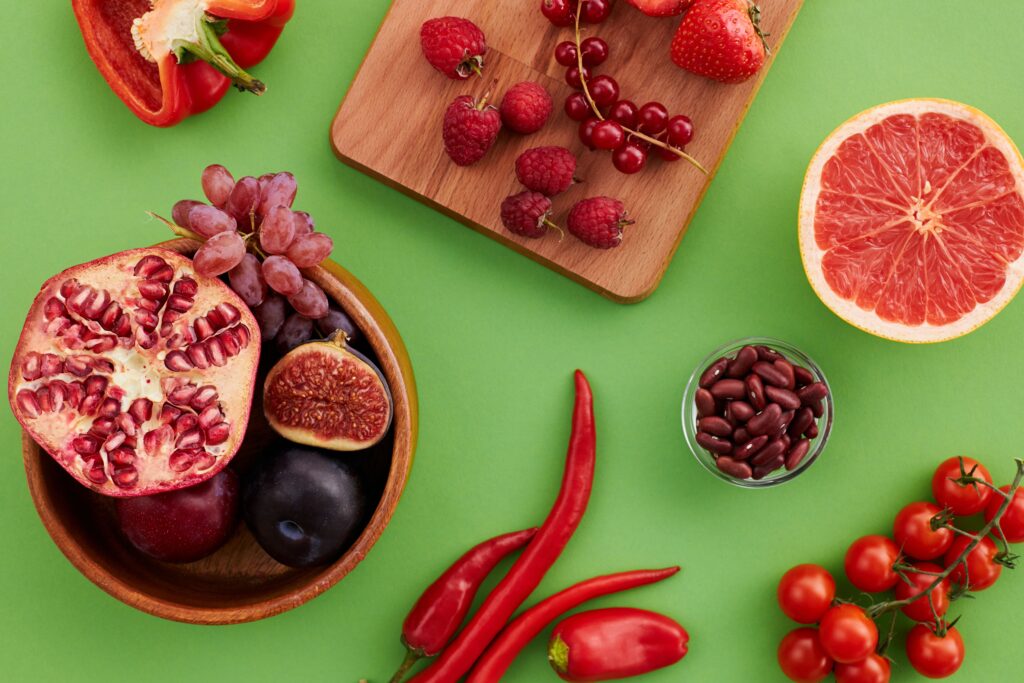
Lentils can be cooked with tomatoes and served alongside leafy vegetables, while beans can be paired with peppers or another source of vitamin C.
Fish or lean meat can be accompanied by vegetables and a grain-based side dish.
Eggs can be served with vegetables and fruit, and fortified cereal can be combined with fruit at breakfast.
These meals are not intended to act as medical treatment, but they can help provide several nutrients involved in normal blood and red blood cell production.
When Should You See a Healthcare Professional?
Medical advice is important when symptoms such as ongoing fatigue, repeated dizziness, unusual weakness, or shortness of breath do not improve or interfere with daily activities.
Evaluation is also particularly important when these symptoms occur with heavy menstrual bleeding, pregnancy, signs of infection, known chronic illness, or other concerning changes.
A healthcare professional can determine whether anemia is present and investigate the possible cause.
Treating anemia effectively often depends on treating the reason behind it rather than simply trying to increase hemoglobin through food.
Can Natural Foods Increase Hemoglobin Quickly?
Nutritious foods can support the body’s ability to produce healthy red blood cells, especially when poor dietary intake is contributing to a nutrient deficiency.
However, there is no single natural food that can reliably raise hemoglobin immediately.
How quickly hemoglobin changes depends on the reason it is low, how significant the problem is, the person’s nutritional status, and whether the appropriate treatment is being followed.
If anemia is connected to blood loss, infection, chronic disease, or an inherited condition, changing the diet alone may not be enough.
Food should therefore be viewed as part of long-term nutritional support rather than an overnight solution.
Final Thoughts
Supporting healthy hemoglobin levels naturally begins with building a varied diet instead of searching for one miracle ingredient.
Regularly including iron-rich foods, vitamin-C-containing fruits and vegetables, folate sources, vitamin B12 foods, and adequate protein can help provide many of the nutrients involved in normal blood production.
Paying attention to meal combinations and factors that can interfere with iron absorption may also make a nutritious diet more effective.
Most importantly, healthy eating should be consistent and realistic enough to maintain over time.
At the same time, low hemoglobin should never automatically be assumed to be caused by iron deficiency.
Anemia can develop for many different reasons, including nutritional deficiencies, blood loss, infections, chronic conditions, and inherited disorders.
If a blood test has shown that your hemoglobin is low, or if you have persistent symptoms that concern you, getting the cause properly evaluated is important.
Natural dietary improvements can be a valuable part of supporting overall health, but the safest and most effective approach is to match the treatment to the actual reason behind the low hemoglobin.