Introduction
Keeping your blood sugar levels in check is important for your overall health, especially for women who may be at risk of prediabetes or diabetes.
The food you eat every day can significantly affect how well your blood sugar levels stay balanced.
Many people believe that controlling blood sugar requires costly diets or strict meal plans.
However, the truth is that it doesn’t have to be complicated. By selecting natural, affordable, and balanced foods, you can greatly improve your health and energy levels.
In this guide, you will learn about the best foods that help control blood sugar, how they work in your body, and how to easily include them in your daily meals.
What is Blood Sugar and Why It Matters Blood sugar, also known as glucose, is the main source of energy for your body.
When you eat food—especially foods that contain carbohydrates—your body breaks them down into glucose, which then enters your bloodstream.
However, if your blood sugar levels get too high or too low, it can lead to serious health problems.
High blood sugar over a long time can increase your risk of prediabetes and diabetes, while low blood sugar can cause weakness, dizziness, and fatigue.
Maintaining a stable balance is key to your health, and the foods you eat play a big role in achieving this.
How Food Affects Blood Sugar
Different types of food can affect your blood sugar in different ways.
Foods high in refined sugar and simple carbs can cause a quick spike in blood sugar, followed by a crash. This can leave you feeling tired and hungry again quickly.
On the other hand, foods that are rich in fiber, protein, and healthy fats can slow the absorption of sugar into your bloodstream.
This helps keep your energy levels steady and can reduce cravings.
Choosing the right foods is one of the most effective ways to manage blood sugar naturally
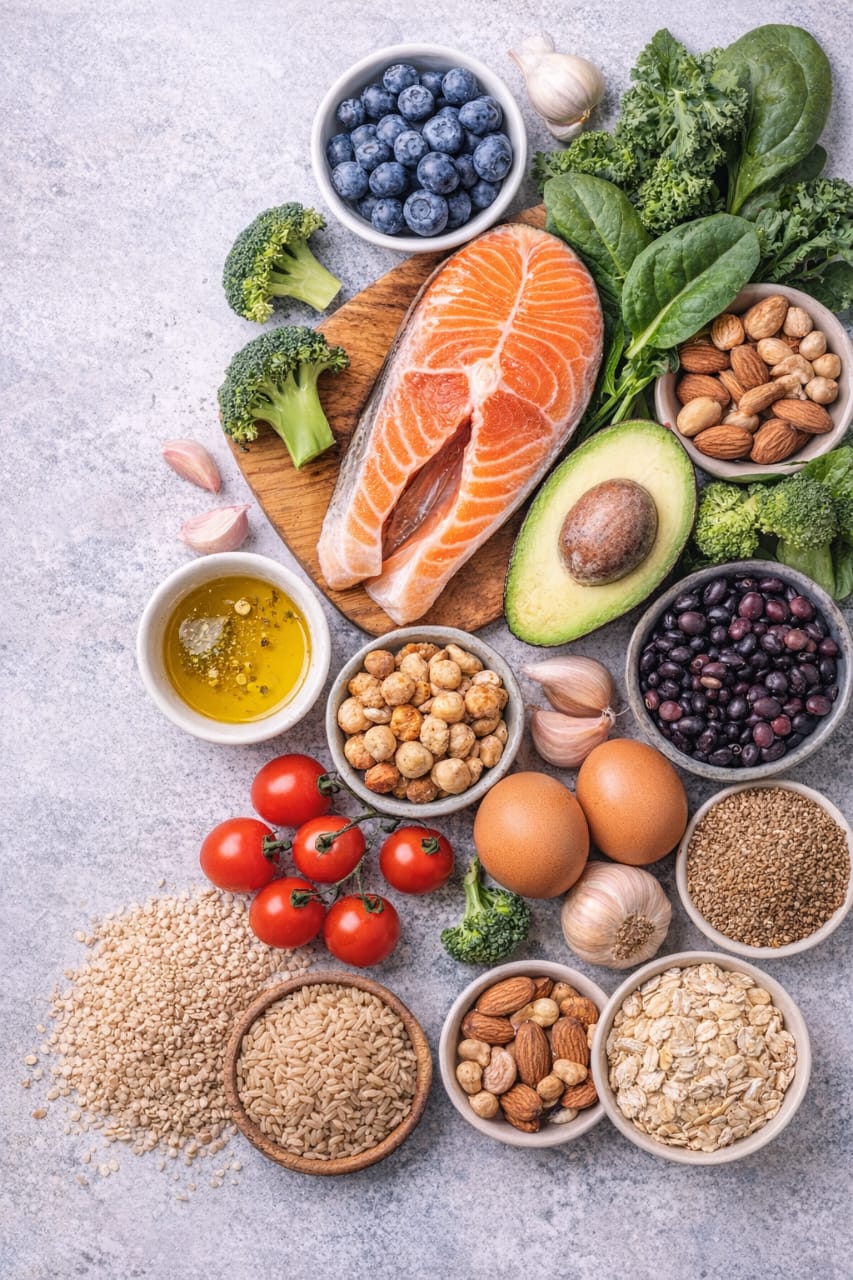
Best Foods for Blood Sugar Control
🥬 1. Leafy Green Vegetables
Vegetables like spinach, kale, and cabbage are excellent for blood sugar control. These are low in carbohydrates and calories, but high in fiber, vitamins, and minerals.r>
Fiber helps slow down digestion, which prevents sudden spikes in blood sugar. These vegetables are also loaded with antioxidants, which support your overall health.r>
👉 Add them to your salads, soups, or smoothies for daily benefits.
>
🌾 2. Whle Grains
Whole grains such as brown rice, oats, quinoa, and whole wheat bread are better choices than refined grains.
They have a lower glycemic index, meaning they slowly release sugar into the bloodstream. This helps maintain steady blood sugar levels throughout the day.
👉 Swap white rice and white bread for whole grain options.
🫘 3. Beans and Lentils
Beans, lentils, and chickpeas are great sources of plant-based protein and fiber.
They take longer to digest, which helps control blood sugar and keeps you feeling full for longer. They are also budget-friendly and widely available.
👉 Use them in soups, stews, or with rice dishes.
🥑 4. Avocado
Avocados are packed with healthy fats and fiber, and they have very few carbohydrates, making them great for blood sugar control.
Healthy fats help slow the digestion of food, which can improve insulin sensitivity.
👉 Enjoy avocado on toast, in salads, or as a snack.
🥜 5. Nuts and Seeds
Nuts like almonds and walnuts, along with seeds such as chia and flax, are rich in nutrients that help control blood sugar.
They contain healthy fats, protein, and fiber, which can reduce how quickly sugar is absorbed and help maintain steady energy levels.
👉
Just a small handful per day is enough.
🐟 6. Fatty Fish
Fishes like salmon, sardines, and mackerel are high in omega-3 fatty acids.
These healthy fats help reduce inflammation and improve heart health, which is especially important for those with blood sugar concerns.
👉 Aim to eat fish at least two times a week.
🍓 7. Low-Sugar Fruits
Fruits like berries, apples, and oranges are good choices when eaten in moderation.
They contain natural sugars but also include fiber, which helps prevent sharp rises in blood sugar.
👉 Avoid fruit juices and choose whole fruits instead.
🥚 8. Eggs
Eggs are a good source of protein and healthy fats. They do not cause blood sugar levels to rise and can help you feel full for longer.
👉 A great option for breakfast or a quick meal.
Foods to Avoid
To manage blood sugar effectively, it’s important to limit or avoid certain foods:
❌ Sugary drinks (such as soda and juice)
❌ White bread and other refined carbohydrates
❌ Sweets and desserts
❌ Processed foods
These types of foods can lead to quick spikes in blood sugar and should be reduced or avoided as much as possible.
Simple Daily Meal Plan
🍽️ Breakfast:
Oats with nuts and a few berries
🍽️ Lunch:
Brown rice with vegetables and beans
🍽️ Snack:
Apple with a handful of almonds
🍽️ Dinner:
Grilled fish with salad and avocado
Lifestyle Tips for Better Blood Sugar Control
Food alone isn’t the only factor. Your lifestyle plays, a big role in managing blood sugar.
✔️ Walk for 20–30 minutes each day
✔️ Drink plenty of water
✔️ Manage stress
✔️ Get enough sleep
Small, consistent changes can have a big impact on your health.
Managing your blood sugar doesn’t have to be difficult or expensive. By choosing natural,
whole foods and maintaining a healthy lifestyle, you can take control of your health and prevent serious conditions like diabetes.
Start with small steps, such as adding more vegetables to your meals and cutting back on sugar. Over time, these habits will lead to long-term health benefits.
Your health is your power—take control of it today.