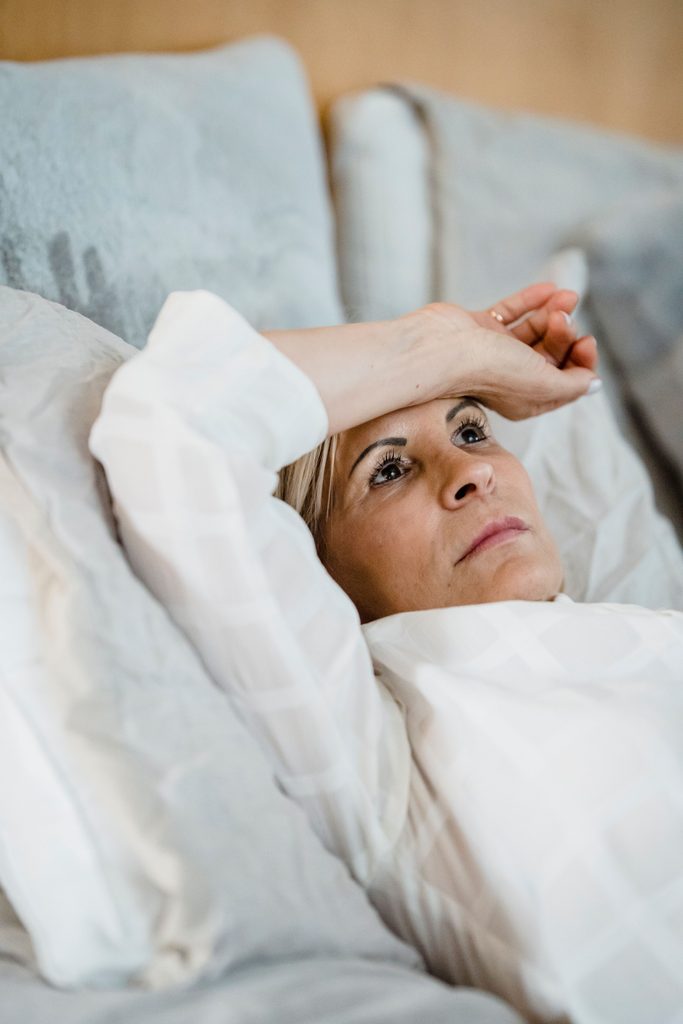

Perimenopause is a natural stage in a woman’s life when her body gradually begins transitioning toward menopause.
During this period, hormone levels, particularly estrogen and progesterone, fluctuate, which can lead to noticeable physical, emotional, and reproductive changes.
Some women begin experiencing symptoms in their late 30s, while others may not notice significant changes until their 40s.
Because these changes often develop gradually, many women mistake the early signs of perimenopause for ordinary stress, aging, or temporary health problems.
Recognizing perimenopause symptoms early can help women understand what is happening in their bodies and make informed decisions about their health.
Although every woman’s experience is different, certain symptoms occur more frequently during this transition.
From irregular menstrual periods and hot flashes to sleep difficulties and mood changes, these signs can affect everyday comfort and quality of life.
Learning about the 12 early signs of perimenopause can help women recognize possible hormonal changes, know when to seek medical advice, and prepare for the next stage of life with greater confidence.
https://www.who.int/news-room/fact-sheets/detail/menopause
1. Irregular Menstrual Periods
One of the earliest and most noticeable signs of perimenopause is a change in the menstrual cycle.
Women who previously had regular periods may begin noticing that their cycles are shorter, longer, lighter, or heavier than usual.
Some months, a period may arrive earlier than expected, while in other months it may be delayed or skipped entirely.
These changes happen because estrogen and progesterone levels become less predictable as the ovaries gradually change their hormone production.
Although irregular periods are common during perimenopause, unusually heavy bleeding, bleeding between periods, or periods lasting longer than seven days should not automatically be blamed on hormonal changes.
A healthcare professional can check whether another condition is responsible for the bleeding.
Keeping a record of menstrual dates and changes can also help women recognize patterns and explain their symptoms during a medical appointment.
2. Hot Flashes and Night Sweats
Hot flashes are among the most recognized symptoms associated with perimenopause.
They involve a sudden feeling of warmth that usually spreads across the face, neck, and upper body.
Some women experience sweating, facial redness, a faster heartbeat, or temporary discomfort when a hot flash occurs.
These episodes can happen during ordinary daily activities, even when the surrounding environment is cool.
When similar episodes occur during sleep, they are commonly called night sweats.
Night sweats may cause women to wake up feeling uncomfortable or needing to change their sleepwear.
Fluctuating estrogen levels can affect the body’s temperature regulation, making it more sensitive to small changes in body temperature.
Not every woman experiences hot flashes, and their frequency and intensity can vary considerably.
Tracking when they occur and identifying possible triggers may help women discuss suitable ways to manage them with a healthcare professional.
3. Difficulty Sleeping
Changes in sleeping patterns can become noticeable during perimenopause, even in women who previously slept comfortably throughout the night.
Some women struggle to fall asleep, while others wake up several times or find themselves awake earlier than usual.
Hormonal fluctuations may contribute to these changes, but night sweats, stress, and emotional symptoms can also interrupt normal sleep.
Poor sleep can gradually affect concentration, energy, patience, and daily productivity.
Women may feel tired in the morning despite spending enough hours in bed.
Establishing a consistent bedtime, keeping the bedroom comfortable, reducing caffeine late in the day, and limiting stimulating activities before sleep may support better rest.
If sleep difficulties continue for several weeks or begin interfering with everyday responsibilities, discussing them with a healthcare professional is a sensible step.
https://www.who.int/news-room/fact-sheets/detail/anxiety-disorders
4. Frequent Mood Swings
Unexpected mood changes are another possible early sign of perimenopause.
A woman may feel comfortable and positive one moment, then become unusually irritated, emotional, or frustrated without understanding why.
Changes in estrogen can influence brain chemicals involved in regulating emotions, which may contribute to these experiences.
However, hormonal changes are not the only possible explanation, as family responsibilities, work pressure, poor sleep, and other life circumstances can also affect emotional well-being.
Some women notice that they become less patient with everyday situations or find it harder to manage ordinary stress.
Recognizing these changes can help women avoid assuming that something is wrong with their personality.
Supportive relationships, regular physical activity, adequate rest, and open conversations with trusted people may help.
Persistent or severe emotional changes deserve professional attention rather than being dismissed as an unavoidable part of aging.
5. Increased Anxiety and Feelings of Worry
Perimenopause may bring new feelings of nervousness, tension, or anxiety, including in women who have not previously experienced frequent anxiety.
Some may feel unusually worried about everyday responsibilities, while others notice restlessness or difficulty relaxing.
Hormonal fluctuations may contribute to these feelings, and the effects can become more noticeable when combined with sleep disturbances or ongoing stress.
Anxiety can sometimes appear alongside hot flashes, heart palpitations, and changes in concentration, making the overall experience confusing.
It is important to remember that anxiety has several possible causes, so it should not automatically be attributed to perimenopause.
Maintaining healthy routines, spending time with supportive people, practicing relaxation techniques, and seeking professional guidance when necessary can make a difference.
Women experiencing persistent anxiety or symptoms that interfere with daily life should speak with a qualified healthcare professional about appropriate support.
6. Memory Problems and Brain Fog
Some women going through perimenopause report experiencing brain fog, which describes temporary difficulties with concentration, memory, and clear thinking.
They may forget why they entered a room, struggle to remember a particular word, or find it harder to focus on conversations and everyday tasks.
These experiences can feel frustrating, especially for women who are normally organized and mentally active.
Changes in hormone levels, interrupted sleep, and emotional stress may all contribute to concentration difficulties during this stage.
Brain fog does not necessarily indicate a serious memory disorder, and it should not be assumed that every memory problem is caused by hormonal changes.
Getting enough sleep, staying mentally active, organizing daily responsibilities, and maintaining regular physical activity may support cognitive well-being.
If memory problems become severe, worsen quickly, or interfere significantly with everyday activities, medical evaluation is important to identify other possible causes.
7. Vaginal Dryness and Discomfort
During perimenopause, hormonal changes may reduce natural vaginal moisture, leading to dryness and discomfort for some women.
Estrogen helps maintain the natural moisture, flexibility, and health of vaginal tissues.
When hormone levels change, some women may notice dryness, itching, irritation, or a burning sensation.
These changes can cause discomfort during ordinary activities and may become more noticeable over time.
Some women also experience discomfort during sexual activity because the tissues have become less naturally lubricated.
Although these symptoms can feel embarrassing to discuss, they are recognized health concerns and do not need to be silently tolerated.
A healthcare professional can assess the symptoms and explain suitable treatment options, including appropriate vaginal moisturizers or prescribed treatments when needed.
It is also important not to assume that every episode of irritation is caused by perimenopause, since infections and other conditions can produce similar symptoms.
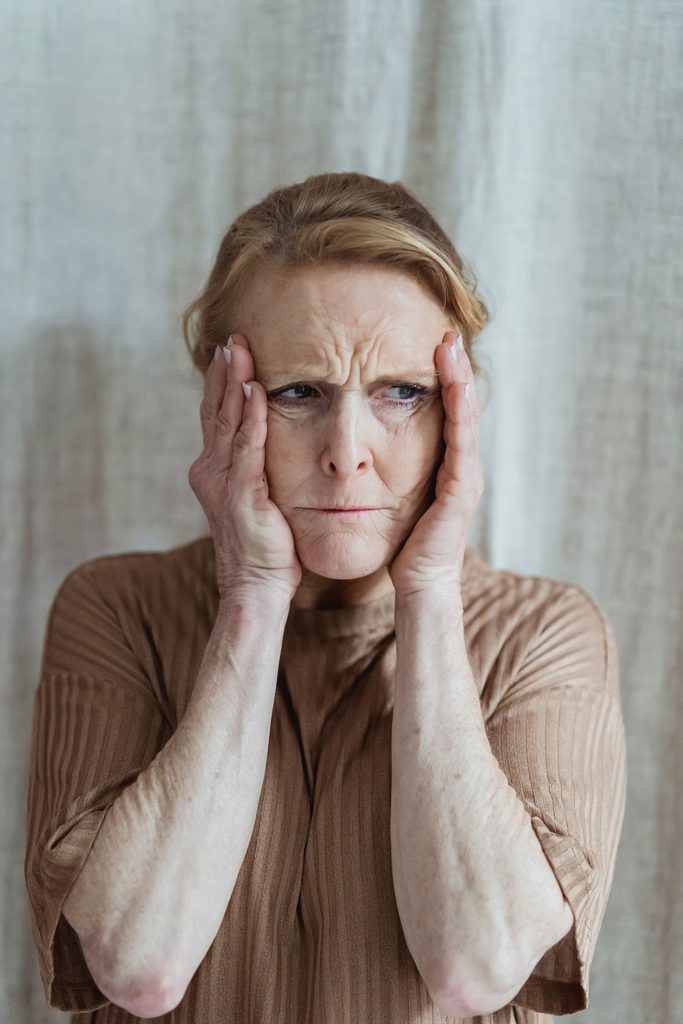
8. Changes in Urinary Habits
Hormonal changes during perimenopause can affect the tissues surrounding the bladder and urinary tract.
As estrogen levels decline, some women begin noticing that they need to urinate more frequently or feel a sudden urge to use the bathroom.
Others may experience occasional urine leakage when coughing, sneezing, laughing, or exercising.
Some women also report discomfort or repeated urinary tract infections during this stage of life.
These symptoms can interfere with daily activities and make it inconvenient to travel or participate in social events.
However, urinary changes should never automatically be considered a normal consequence of aging or perimenopause.
Painful urination, blood in the urine, fever, or persistent urinary urgency may indicate an infection or another medical problem that requires assessment.
A healthcare professional can determine the cause and recommend appropriate treatment.
https://www.who.int/news-room/fact-sheets/detail/schistosomiasis
9. More Frequent Headaches
Changes in hormone levels may influence headache patterns during perimenopause.
Women who previously experienced occasional headaches may notice that they happen more frequently or become more uncomfortable.
Those with a history of migraines may also experience changes in how often they occur or how severe they feel.
Estrogen fluctuations can affect the body’s sensitivity to migraine triggers, although other factors such as stress, dehydration, irregular meals, and insufficient sleep may also contribute.
Headaches can be particularly frustrating when they occur alongside tiredness, mood changes, or difficulty concentrating.
Maintaining regular sleep habits, drinking enough water, eating balanced meals, and identifying personal headache triggers may help support overall well-being.
However, a sudden, extremely severe headache, a headache accompanied by weakness or vision changes, or a new pattern of persistent headaches should receive prompt medical attention rather than being assumed to be a perimenopause symptom.
10. Joint and Muscle Aches
Unexplained muscle discomfort and joint aches are additional symptoms that some women experience during perimenopause.
Pain may occur in areas such as the knees, shoulders, hands, hips, or back.
Women may notice stiffness after waking up or discomfort after remaining in one position for a long time.
Hormonal changes may contribute to these experiences, although age-related changes, physical activity levels, injuries, and other health conditions can also play a role.
Joint and muscle discomfort may make ordinary activities feel more challenging, particularly when it occurs regularly.
Gentle movement, stretching, walking, and appropriate strength-building activities can support mobility and general physical health.
Women should avoid assuming that persistent or worsening pain is always hormone-related.
A healthcare professional can help investigate the cause, particularly when pain is accompanied by swelling, redness, weakness, or significant difficulty moving.
11. Changes in Sexual Desire
A woman’s interest in sexual activity may change during perimenopause.
Some women notice a reduced level of desire, while others experience little or no change.
Hormonal fluctuations can contribute to changes in sexual desire, but the reasons are often more complex than hormone levels alone.
Sleep difficulties, emotional stress, vaginal dryness, discomfort, relationship circumstances, and general health can all influence interest in intimacy.
These changes do not happen in the same way for every woman, and there is no single level of sexual desire that is normal for everyone.
Women who feel concerned about persistent changes can discuss them privately with a qualified healthcare professional.
Addressing contributing factors, such as sleep problems, emotional well-being, or physical discomfort, may help improve overall quality of life.
Open communication and appropriate medical support can also make this transition easier to understand.
12. Persistent Tiredness and Low Energy
Unusual tiredness is another possible experience during perimenopause.
Some women feel exhausted even after completing relatively simple activities or notice that their normal energy levels are no longer consistent.
This fatigue may be connected to interrupted sleep, night sweats, emotional changes, or the physical effects of hormonal fluctuations.
When sleep becomes less refreshing, the body may struggle to maintain energy throughout the day.
Women may also find it harder to stay focused, complete household responsibilities, or remain productive at work.
Maintaining a balanced diet, drinking sufficient water, staying physically active, and following a regular sleep schedule can support general energy levels.
Nevertheless, persistent fatigue should not automatically be blamed on perimenopause.
Iron deficiency, thyroid disorders, sleep conditions, and other medical problems can cause similar symptoms, making professional assessment important when tiredness continues or becomes difficult to manage.
When Should Women See a Doctor About Perimenopause Symptoms?
Women should consider speaking with a healthcare professional when menstrual changes, hot flashes, sleep difficulties, or other symptoms begin affecting their everyday lives.
Medical advice is particularly important when bleeding becomes unusually heavy, periods occur very close together, bleeding happens between periods, or a period lasts longer than seven days.
Any vaginal bleeding after 12 consecutive months without a period also needs medical evaluation.
Women experiencing menopause-like symptoms before age 45 should seek medical advice, as early menopause and other hormonal conditions may need investigation.
A doctor can review menstrual history, symptoms, age, medications, and medical background to determine whether perimenopause is a likely explanation.
Other conditions, including thyroid problems and anemia, may need to be considered because they can produce similar symptoms.
Early assessment can help women understand their health and identify appropriate care.

How Can Women Manage Perimenopause Symptoms Naturally?
Although perimenopause is a natural biological transition, healthy daily habits may help women feel more comfortable during this period.
Choosing nutritious foods such as fresh fruits, vegetables, lean proteins, and foods rich in calcium can help women maintain their health and well-being during perimenopause.
Regular physical activity, such as walking, swimming, or suitable strength exercises, can support bone health, muscle strength, mood, and sleep quality.
Maintaining a consistent sleeping routine and keeping the bedroom comfortable may also help women who experience night sweats or interrupted sleep.
Some women find it useful to keep a symptom diary to identify patterns involving menstrual changes, headaches, mood, or hot flashes.
Limiting personal triggers, such as excessive caffeine or very warm environments, may also improve comfort for certain individuals.
These lifestyle habits cannot stop perimenopause, but they can support overall well-being.
Women with troublesome symptoms should also discuss medical treatment options with a qualified healthcare professional rather than relying entirely on natural approaches.
Understanding the Perimenopause Transition
Perimenopause is a gradual process rather than a sudden medical event.
It can last several years, and symptoms may change in frequency and intensity as a woman approaches menopause.
Menopause is officially reached when a woman has gone 12 consecutive months without a menstrual period, provided the absence of periods is not caused by another factor or hormonal contraception.
Until that point, pregnancy may still be possible, even when periods have become irregular.
Understanding this distinction helps women recognize that fertility does not end immediately when perimenopause begins.
Every woman’s experience is unique, and some may notice only a few changes while others experience several symptoms that affect their daily routines.
With accurate information, appropriate medical guidance, and supportive lifestyle habits, women can approach this stage with greater understanding and confidence.
Recognizing the early signs of perimenopause can help women understand the physical and emotional changes that may occur during midlife.
Irregular periods, hot flashes, sleep disturbances, mood changes, brain fog, and other symptoms are possible parts of this natural transition.
However, these experiences should not automatically be attributed to hormonal changes without considering other health conditions.
Paying attention to new symptoms, maintaining healthy habits, and seeking medical advice when necessary can make the transition easier to manage.
Most importantly, women should remember that perimenopause is a normal stage of life, and support and treatment are available when symptoms become uncomfortable or interfere with everyday activities.